
King Oyo Treks Mountain Gorillas in Bwindi Forest
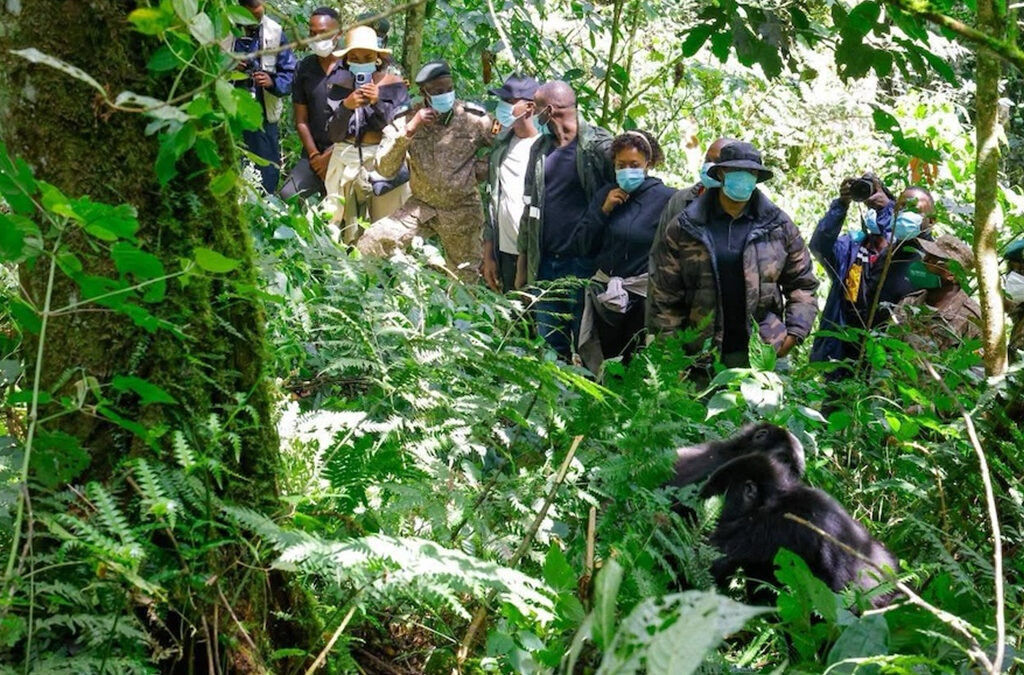
His Majesty King Oyo Nyimba Kabamba Iguru Rukidi IV of Tooro Kingdom visited Bwindi Impenetrable Forest National Park on April 26, 2025. This royal tour is part of his plan to support Uganda’s tourism and natural heritage. He traveled with a team of officials and guests. Uganda Wildlife Authority hosted the visit, which included a mountain gorilla trekking experience.
King Oyo’s visit follows a similar tour of Queen Elizabeth National Park. His journey highlights Uganda’s natural beauty and wildlife. His aim is clear—promote conservation and boost tourism. The King shows that leaders should help protect nature for future generations.
Gorilla Trekking Experience
King Oyo went on a guided trek through Bwindi Impenetrable Forest. This trek allowed him to see mountain gorillas up close. Gorilla trekking is the top activity in the park. It draws people from many countries.
Several gorilla families in Bwindi have been trained to accept human presence. Rangers and trackers guide small groups to these gorillas. They teach the rules for safe trekking and protect both animals and people.
Treks start early and may last several hours. Trails move through steep and thick forest. The moment of seeing the gorillas feels rewarding. Each visitor gets one hour with the group.
A Royal Welcome from Uganda Wildlife Authority
When King Oyo arrived, he met staff from Uganda Wildlife Authority. Stephen Sanyi Masaba, the Senior Tourism Manager, welcomed the King and gave a short briefing. Bwire Isaiah, the Acting Chief Warden of Bwindi, also shared updates.
The briefing focused on conservation goals and visitor safety. They talked about protecting gorillas and supporting local people. The staff explained how tourism helps fund park projects.
UWA thanked the King for promoting wildlife protection. His presence helps raise interest in Uganda’s tourism. Visitors learn about the park through leaders like him who care deeply about nature.
Bwindi’s Biodiversity
Bwindi Impenetrable Forest National Park holds rich plant and animal life. This forest has over 160 tree types and many fern species. The forest sits between lowland and mountain regions.
The park hosts nearly half of all mountain gorillas left in the world. It also has other primates like chimpanzees, colobus monkeys, and L’Hoest’s monkeys. These animals live in peace inside the dense forest.
Bird lovers enjoy Bwindi too. Over 350 bird species live in the park. Among them are 23 birds found only in the Albertine Rift. Many visitors carry binoculars to spot them.
Bwindi as a UNESCO World Heritage Site
The park became a UNESCO World Heritage Site because of its wide mix of species. It holds rare plants and animals found nowhere else.
Its terrain is thick with trees, vines, and shrubs. Some areas are so dense that people call it “impenetrable.” Despite the tough terrain, trained guides lead visitors through safely.
This label as a heritage site draws more global attention. It helps people see why Uganda’s parks matter. The forest also helps in climate balance and provides water for many nearby communities.
A Home for the Batwa People
Long before it became a national park, the Batwa people lived in the Bwindi Forest. They hunted small animals and gathered wild plants. The forest was their home.
When the park was formed, the Batwa had to leave. Many now live near the forest’s edge. Some now work as guides or perform cultural dances.
Visitors learn about Batwa life during forest walks. These walks teach their history and forest skills. Sharing their stories helps keep Batwa traditions alive. The park supports this by including the Batwa in tourism projects.
Park Location and Landscape
Bwindi lies in southwestern Uganda. It spreads across steep hills and valleys. The land shifts from 1,160 to 2,607 meters above sea level.
This high elevation brings cool weather, even in the dry season. The forest’s thick trees form a green roof. Sunlight reaches the ground only in small patches.
Paths run across narrow ridges, deep streams, and rocky slopes. Rain falls often, making trails slippery. Good boots and walking sticks help visitors stay safe during hikes.
Despite the tough hikes, the forest is peaceful. Bird calls and the sound of insects fill the air.
Nature Walks for Relaxed Exploration
Besides gorilla trekking, Bwindi offers nature walks. These guided walks lead to waterfalls, rivers, and forest views.
Walkers may spot colorful birds, butterflies, and monkeys. Guides help explain plants and their uses. These walks suit people who enjoy learning at a slower pace.
Some trails go through villages, giving views into rural life. Visitors may meet farmers and craftspeople. These walks help connect tourists with locals.
Nature walks happen in several sectors of the park. Each area has unique sights. Guides always lead these walks to keep people safe.
Bird Watching in Ruhija
The Ruhija sector in Bwindi is perfect for bird lovers. It sits high in the hills and has open forest views.
Bird watchers often visit this area for Albertine Rift endemics. These include species like the African green broadbill and Shelley’s crimsonwing.
Birds sing from dawn to dusk. Visitors walk with guides who help spot rare birds. Some bring cameras with long lenses to take photos.
Ruhija also has fewer tourists than other areas. This makes it quiet for birding. Lodges here often serve early breakfast for those going on bird walks.
Conservation and Tourism Support Each Other
Tourism brings money that helps pay for park staff and supplies. Visitors also support local jobs.
Gorilla permits help fund health programs and anti-poaching patrols. Some of the money goes to nearby villages. Schools, water tanks, and clinics have improved from this support.
Tourism only works when it protects nature. That’s why the park limits the number of visitors each day. People must follow rules during treks to keep gorillas safe.
King Oyo’s visit shows how leaders influence others to support conservation. His voice reaches people across Uganda and beyond.