
How to Prepare for Your First Golden Monkey Trek in Uganda
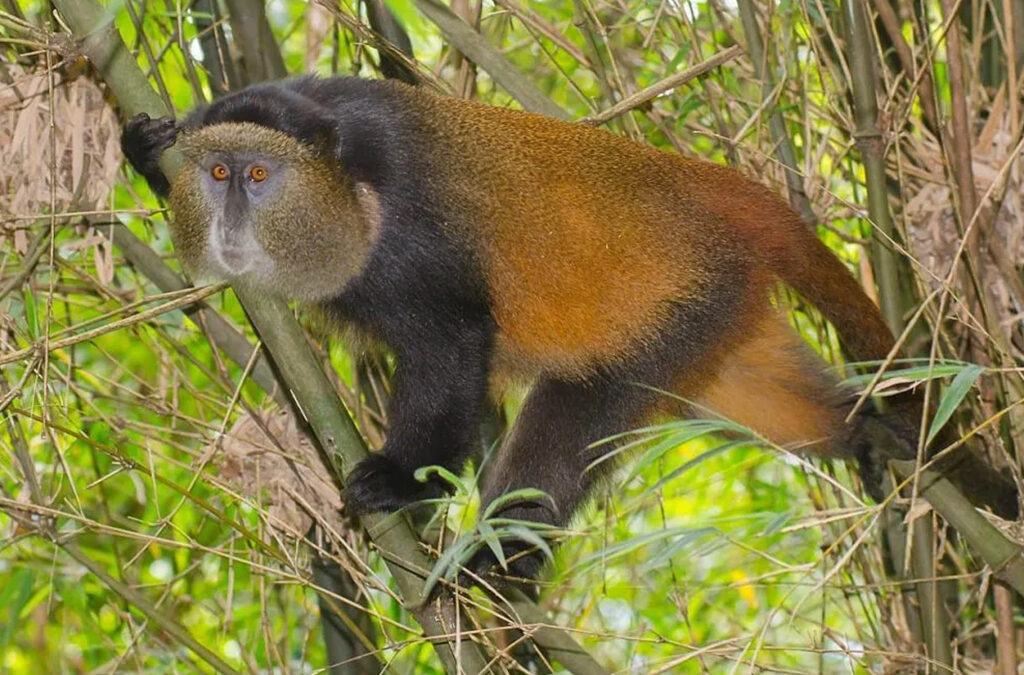
Your First Golden Monkey Trek in Uganda, offers a thrilling chance to observe rare playful primates in their natural setting. These lively monkeys live in the bamboo forests of Mgahinga Gorilla National Park. To enjoy the experience, you must prepare well in advance. From booking permits to dressing right, every step matters. The trek involves walking through forests, crossing muddy patches, and moving along steep slopes. Therefore, you must plan with care and focus on every detail. Here is a full guide on how to get ready for your golden monkey trek in Uganda with Iconic Africa Safaris.
Book Your Golden Monkey Permit Early
Always start by securing your golden monkey trekking permit early. The number of daily permits remains limited. During peak seasons like June to September and December to January, they sell out fast. Booking ahead gives you peace of mind and ensures your slot.
Permits for Foreign Non-Residents cost $60, while Foreign Residents pay $50. These prices exclude park entrance fees. You may book your permit through Uganda Wildlife Authority or through a trusted operator like Iconic Africa Safaris. Using a tour company helps simplify the process and offers added support.
Prepare Your Body with Physical Activity
The golden monkey trek may involve long walks through forests and hills. Although less intense than gorilla trekking, you still need to be fit. The forest terrain includes steep, slippery paths and muddy stretches, especially during the rainy season.
Start with light exercises at home. Walk long distances and climb stairs often. These activities help your legs and lungs prepare for the trek. If you feel unsure about your strength, consider hiring a porter for help with your backpack.
Pack the Right Clothing and Gear
Packing the right items helps keep you safe and comfortable during the trek. Wear long-sleeved shirts and trousers to protect your arms and legs from insects, sun, and thorny bushes. Earth-tone colours blend best with the forest.
Choose strong, waterproof hiking boots with good grip. They support your ankles and prevent slips. Also, bring a rain jacket or poncho since showers often surprise trekkers in the forest.
Include essentials such as insect repellent, sunscreen, a wide-brimmed hat, and a camera. You should also carry enough drinking water and light snacks to stay energized.
Understand the Trekking Conditions
The forest trails vary in difficulty depending on weather and monkey troop location. During the wet season, the paths become muddy and slippery. So, expect to walk through some rough spots.
The duration of the trek often depends on where the monkeys are on a given day. Sometimes, you find them within an hour. Other times, it may take longer. You will follow skilled guides who help locate the troop and guide your path.
Always remember that you are entering a wild forest. Stay alert and follow all safety guidelines offered by the park rangers.
Bring Useful Accessories
Some extra items improve your trekking experience. A pair of binoculars allows you to view monkeys from afar without disturbing them. It also helps spot birds and other wildlife along the trail.
A walking stick offers balance and reduces fatigue on slippery or uneven surfaces. You may carry your own or borrow one at the park gate.
Do not forget to pack spare batteries or a power bank for your camera. Capturing photos of golden monkeys becomes difficult once your battery runs out.
Follow All Rules and Show Respect
Respect for the environment plays a major role during the trek. Keep a safe distance from the monkeys. Do not chase them or try to feed them. These animals remain wild and should stay undisturbed.
Keep your voice low to avoid startling the wildlife. Do not make sudden movements or gestures that may stress the troop. Avoid using flash when taking photos.
Always walk behind your guide and pay close attention to instructions. Your guide knows the forest and helps you avoid danger. Stay with your group at all times for your safety.
Tips for a Smooth Trek
Start your trek early in the morning. The monkeys stay most active in the cooler hours of the day. Arriving early also gives you more time to find and watch them.
Pack light but do not forget essentials. A heavy backpack slows you down and increases fatigue. Carry only what you truly need.
Lastly, wear layers. Mornings remain cool in the forest, but temperatures rise by mid-morning. You may peel off one layer as you warm up.