How to Plan Your First Uganda Safari from USA
Planning Your First Uganda Safari from USA is an exciting adventure that requires careful preparation and expert guidance. Uganda offers incredible wildlife experiences that most travelers from the United States have never encountered before. You will find mountain gorillas, chimpanzees, and impressive savannah animals all in one destination. However, getting to Uganda and navigating its remote parks can feel overwhelming without the right support. Most first-time visitors prefer working with experienced local safari operators who handle all logistics smoothly. These professionals arrange transport, accommodation, meals, and wildlife permits on your behalf. Therefore, your entire journey becomes stress-free and fully enjoyable. This guide walks you through everything you need to know before booking your first Uganda safari. By the end, you will feel confident and ready to experience Africa’s most exciting wildlife destination.
Getting to Uganda from the USA
Traveling from the United States to Uganda requires flying, since no direct land or sea routes exist. Most travelers depart from major cities like New York, Washington D.C., or Los Angeles to begin their journey. From there, you connect through European or Middle Eastern hubs like London, Amsterdam, Dubai, or Doha. After your layover, you board a second flight that lands at Entebbe International Airport near Kampala. Additionally, routing through Istanbul is another popular option that many American travelers prefer. Overall, the total travel time from the USA to Uganda ranges between 18 and 24 hours. Therefore, you should plan for rest days at the start of your trip.
Deciding How Long Your Safari Should Be
First-Time Visitors: Plan for at Least 8 Days
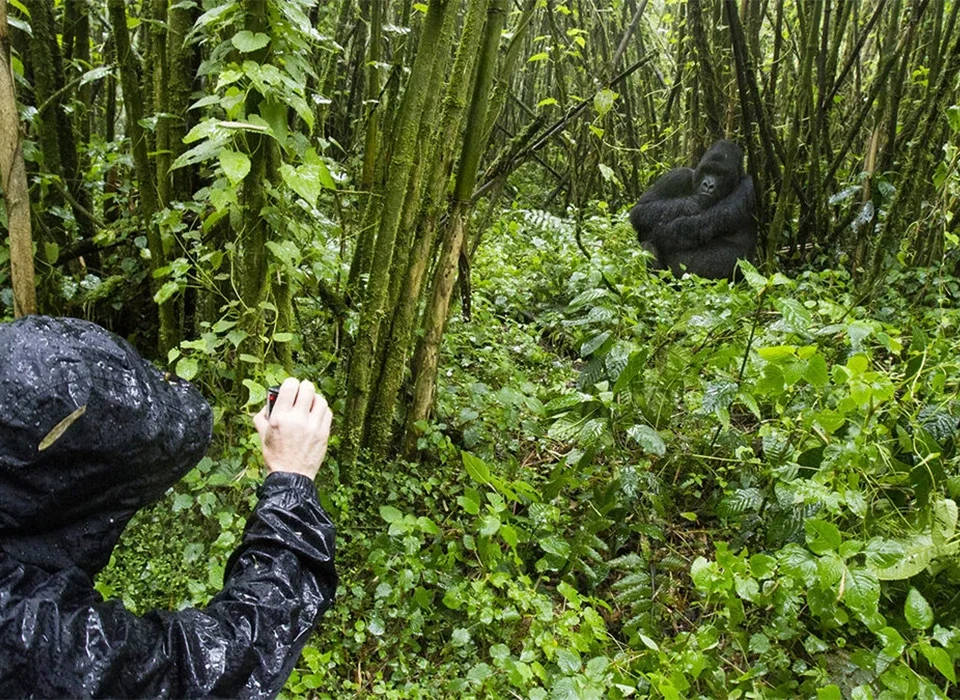
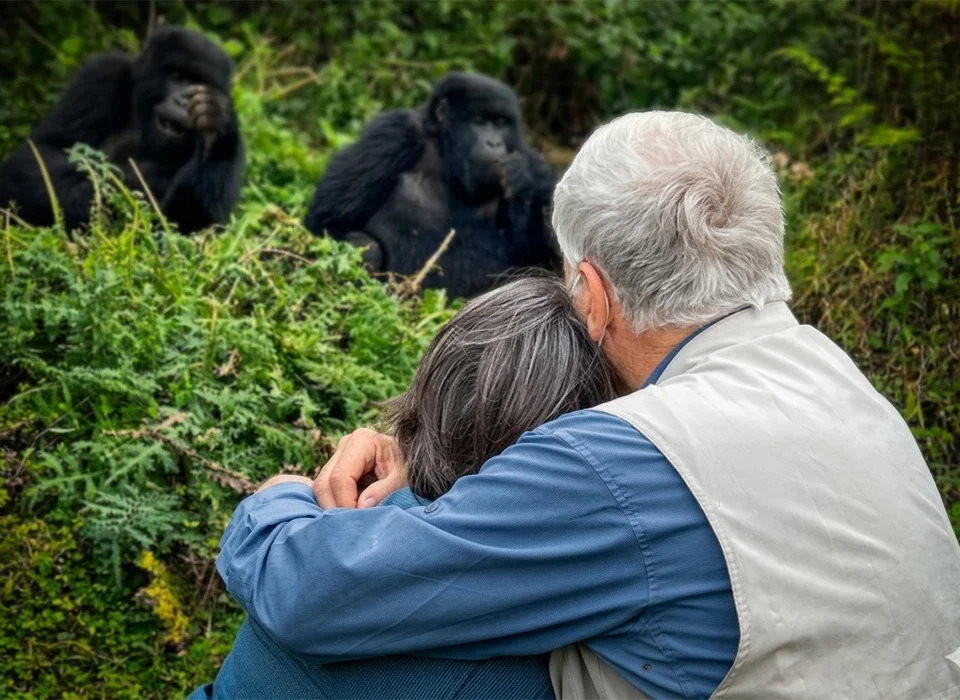
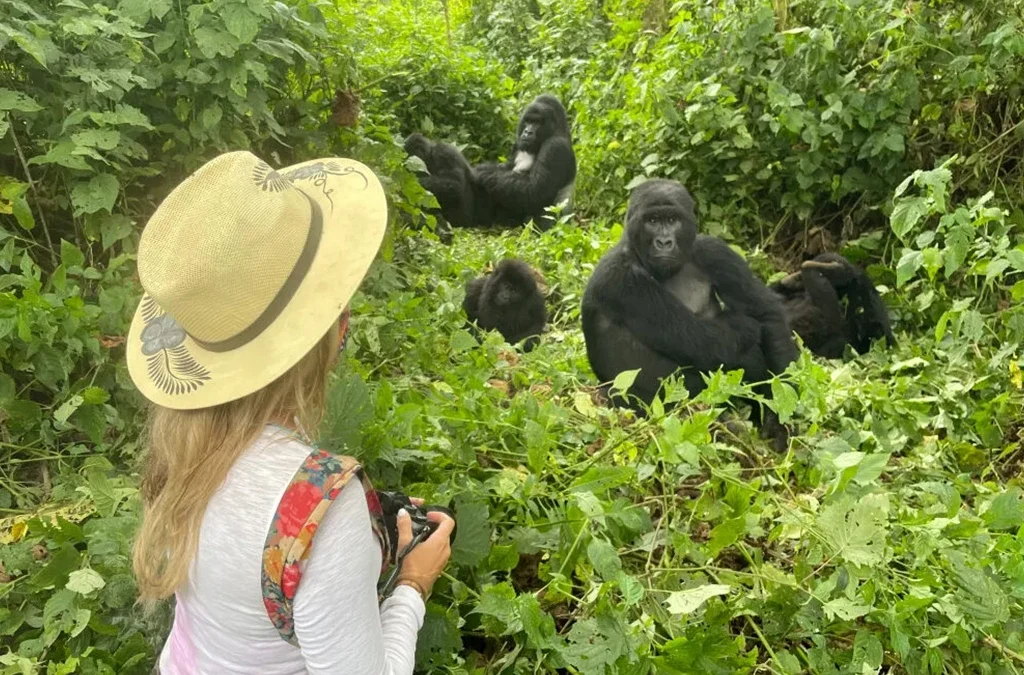
For your first Uganda safari, you should plan to spend at least 8 full days exploring the country. This duration allows you to visit three major wildlife destinations comfortably without rushing through each location. Specifically, you can walk with chimpanzees in Kibale Forest National Park during one part of your trip. Then, you move on to game drives in Murchison Falls or Queen Elizabeth National Parks to see elephants and lions. Furthermore, you spend unforgettable time tracking mountain gorillas inside Bwindi Impenetrable Forest National Park or Mgahinga Gorilla National Park. Spending at least 2 nights in each location ensures you see plenty of wildlife during your stay. Consequently, eight days gives you a solid and rewarding first safari experience in Uganda.
Longer Trips: Two Weeks for the Full Circuit
If you want to explore Uganda more deeply, then planning for two full weeks is highly recommended. A two-week itinerary allows you to cover the primate circuit and the savannah parks without feeling rushed. Generally, you spend long morning and evening hours walking through rainforests or driving on game tracks daily. Moreover, two full days in each wildlife reserve guarantees that you spot a wide variety of animals. During the dry seasons, Uganda’s rainforests reliably produce chimp and gorilla sightings with fewer interruptions. Also, Kidepo Valley National Park in the northeast offers some of the best big cat sightings in East Africa. Therefore, a two-week trip gives you the most complete Uganda safari experience possible.
Understanding the Costs of a Uganda Safari
What You Should Expect to Pay
Average Uganda safari costs per person range from $1,500 to over $5,000, depending on your chosen itinerary. This price typically includes government wildlife permits, accommodation, meals, and transport between safari destinations. However, the quoted price usually does not cover your international airfare from the United States. The gorilla trekking permit is the biggest single cost, priced at $800 during peak season for one hour with gorillas. Alternatively, the gorilla habituation experience costs $1,500 and gives you four hours with a gorilla family. During the low season months of April, May, and November, the regular permit reduces to $600 per person. Therefore, traveling during the low season can significantly reduce your total safari budget.
Additional Costs to Budget For
Beyond the main safari package, you should budget for a few additional daily expenses during your trip. Expect to spend around $50 per day on optional activities and personal meals outside your lodge. Additionally, hiring a 4×4 vehicle with a driver and guide costs between $100 and $300 per day on average. Lodge accommodation ranges from $90 per night at budget options to over $1,000 per night at luxury forest lodges. Most lodges include meals and special dietary requirements within the room rate, which simplifies your daily budgeting. Tips for guides and lodge staff are discretionary, but your trip manager will advise you on appropriate amounts. Consequently, planning your budget in advance helps you avoid unexpected financial surprises during the safari.
Animals You Will See on Safari
Primates: Uganda’s Greatest Wildlife Treasure
Uganda offers the best primate experiences anywhere in the world, attracting thousands of visitors every year. Over 20 primate species roam the rainforest canopies across western Uganda’s protected areas. Mountain gorillas and chimpanzees are the highlight of any Uganda safari itinerary for most travelers. However, you can also encounter patas monkeys, L’Hoest’s monkeys, red-tailed monkeys, golden monkeys, and red colobus on forest walks. Furthermore, the black-and-white colobus monkey lives across many parts of the country and appears frequently on guided walks. Kibale Forest National Park is particularly famous for its high density of chimpanzees and other primates. Therefore, Uganda stands alone as the premier primate safari destination in all of Africa.
Savannah Wildlife in Uganda’s Major Parks
Beyond primates, Uganda offers excellent savannah wildlife viewing across its three major national parks. Murchison Falls, Queen Elizabeth, and Kidepo Valley National Parks all host large populations of elephants, buffaloes, and hippos. Lions are reasonably common in all three parks, where they actively hunt herds of antelope on open grasslands. Additionally, giraffes roam Murchison Falls National Park in large numbers, creating spectacular photographic opportunities. The arid Kidepo Valley in the extreme northeast delivers some of the finest leopard and cheetah sightings in Uganda. Elephants and Cape buffalo appear regularly on boat safaris along the Nile River and the Kazinga Channel. Consequently, Uganda rewards every visitor with an impressive range of both forest and savannah wildlife encounters.
Accommodation and Meals
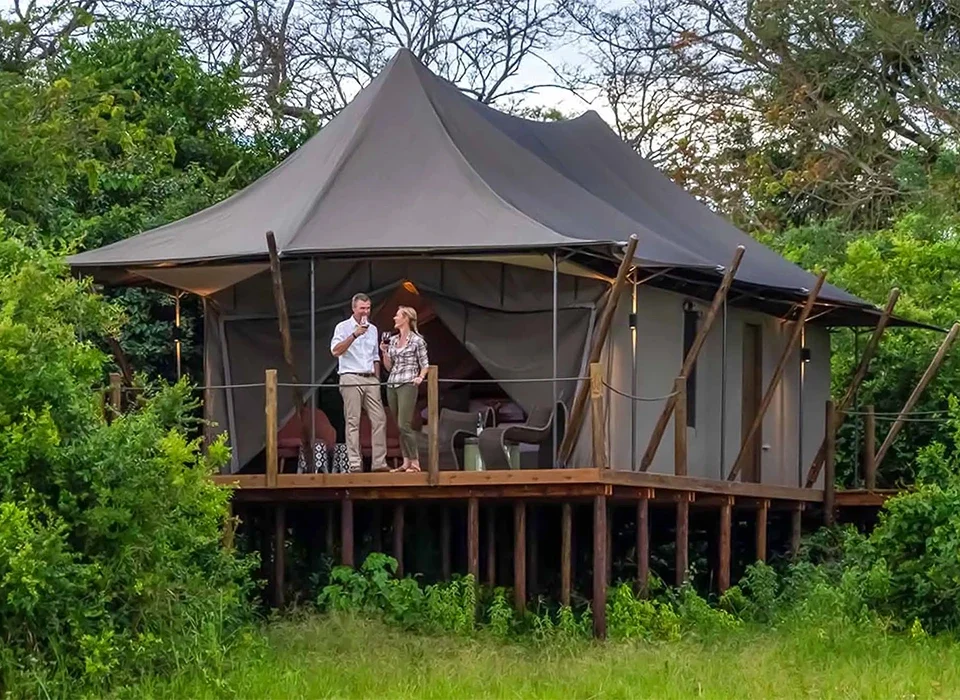
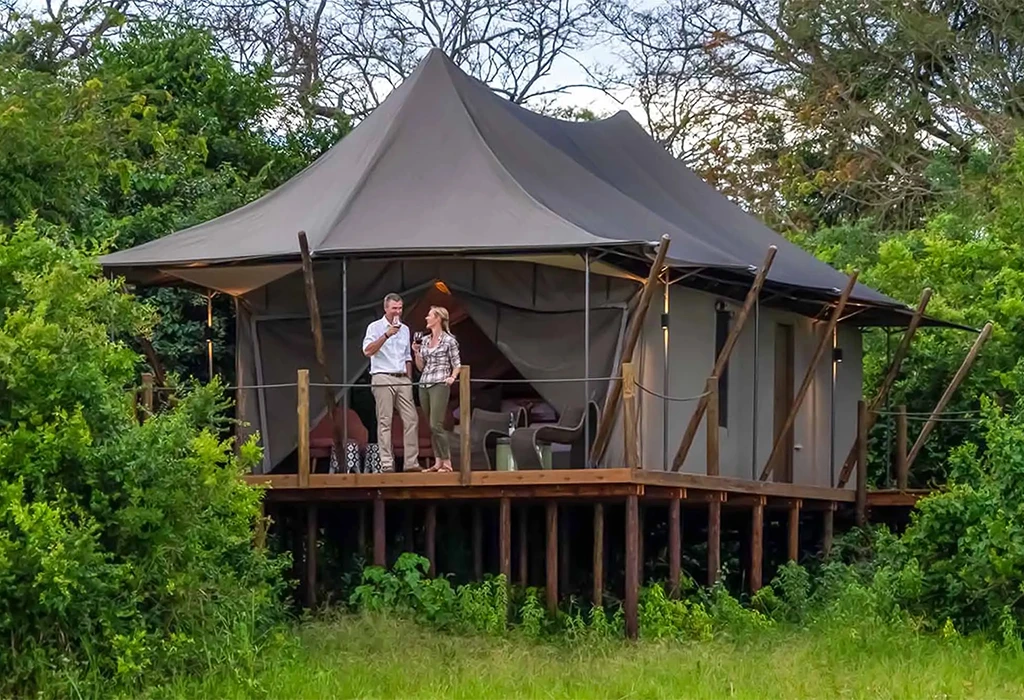
Uganda offers a wide range of accommodation options near all major park entrances and wildlife areas. You can choose from budget hostels, mid-range lodges, and luxury tented camps depending on your travel budget. Gorilla trekking areas around Bwindi Impenetrable Forest tend to have slightly higher accommodation prices, starting at $170 per night. Most lodges feature individual ensuite cabins with private bathrooms, heated showers, and flush toilets for guest comfort. Furthermore, all meals are typically served at the lodge and cater to various dietary needs and preferences. Most lodges also supply basic toiletries, sunscreen, and insect repellent to guests as part of the stay. Therefore, you can travel light and rely on lodges to provide most of your daily essentials.
Working with Local Safari Guides
Your safari company will assign a professional local guide who drives you between destinations throughout your trip. This guide stays in constant contact with lodges and your trip planner via mobile phone to ensure smooth logistics. Additionally, Uganda Wildlife Authority rangers join your group for gorilla trekking and chimpanzee tracking inside the parks. These rangers are highly trained professionals who know the forests and wildlife behavior patterns extremely well. Moreover, your lodge may also provide its own naturalist guides for walks and evening activities around the property. Your all-inclusive safari package usually covers all guide fees, so you rarely pay extra for guided activities. Therefore, you are in safe and knowledgeable hands from the moment you land at Entebbe International Airport.
What to Pack for Your Uganda Safari
Clothing Essentials
You do not need an all-beige wardrobe for your Uganda safari, despite what movies and staged photos suggest. Instead, pack lightweight, fast-drying nylon clothes that keep you comfortable in changing weather conditions throughout the day. Western Uganda parks can feel cold in the early mornings and late evenings but become very hot around midday. Therefore, dressing in layers that you can easily add or remove throughout the day is the smartest approach. Most animals cannot distinguish colors clearly, so wearing bright clothing does not negatively affect your wildlife encounters. Additionally, most lodges offer hand-laundry services, so you do not need to overpack clothing for longer trips. Aim to keep your luggage within 15 kilograms, since small bush planes flying between parks enforce strict weight limits.
Booking with a Licensed Safari Operator
Using a licensed safari operator for your first Uganda trip removes all the stress from travel planning and logistics. Local operators like Iconic Africa Safaris live in Uganda, know it deeply, and plan safaris professionally every single day. They offer expert recommendations on the best parks, lodges, timing, and hidden gems that online research cannot always reveal. Furthermore, a good operator handles all permits, reservations, and transport arrangements well in advance of your arrival. Iconic Africa Safaris operates lodges strategically placed near key gorilla trekking areas and in Entebbe for arrival-day comfort. They move guests between remote camps using 4×4 safari trucks and small chartered aircraft when necessary. Therefore, partnering with Iconic Africa Safaris gives you a seamless, expertly guided first Uganda safari experience.
Getting Your Safari Quote
Starting your First Uganda Safari from USA planning is as simple as sending an email to Iconic Africa Safaris at info@iconicafricasafaris.com. Their local experts respond quickly with a customized itinerary and quotation that fits your travel dates and budget. Moreover, they focus on core values of adventure, fun, activity, and intimate wildlife experiences for every client. You can trust them to recommend the right balance of primate trekking and savannah game drives for your first trip. So take the first step today and let Uganda’s most dedicated safari professionals handle everything else for you.