
How to Plan Your First Adventure in Rwanda

Planning your first adventure in Rwanda can be exciting and rewarding. Rwanda offers a variety of activities for every type of traveler. The cost of your adventure will depend on several factors. Let’s break down these key factors and explore what each activity offers. This guide will help you create a budget-friendly plan and have an unforgettable experience.
Factors Affecting the Cost of Your Adventure
Type of Activity
Different activities in Rwanda come with different costs. For example, gorilla trekking is more expensive than a city tour. Safaris, cultural tours, and nature hikes each have unique pricing. Prioritize your activities to match your budget.
Time of Year
Traveling during peak seasons, such as the dry months, can be more costly. These months include June to September and December to February. During the rainy season, from March to May and October to November, prices may be lower. However, some activities become less enjoyable due to the weather.
Duration of Stay
The longer you stay, the more money you spend on accommodation, food, and transportation. Plan your itinerary based on the number of days you can afford.
Accommodation Choices
Rwanda offers budget, mid-range, and luxury accommodation options. Choose lodges, hotels, or guesthouses that match your financial plan. Luxury lodges offer comfort and exclusive services but cost significantly more.
Transport Options
Decide how you want to travel within Rwanda. Public transport is cheap but less convenient. Hiring a private car offers flexibility but increases costs. Flights between cities save time but are pricier.
Additional Expenses
Don’t forget extra costs such as tips, and souvenirs. These can add up quickly. Plan for unexpected expenses to avoid surprises.
Now that you know the cost factors, let’s look at the top activities in Rwanda. Each offers a unique experience you won’t forget.
When and Where to Go in Rwanda
Rwanda remains stunning throughout the year. Each season provides unique experiences, so your travel timing affects your adventure. Let’s explore the best places and activities for your first trip to Rwanda.
Gorilla Trekking in Volcanoes National Park
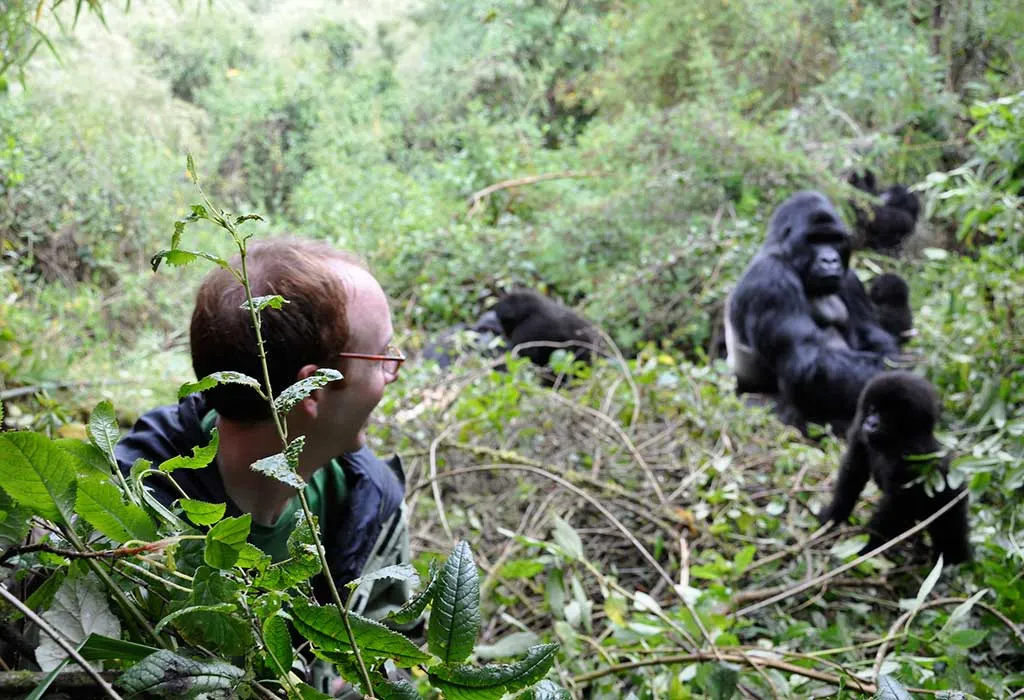 Gorilla trekking ranks as the top activity in Rwanda. Volcanoes National Park, located in the northwest, hosts mountain gorillas. Seeing gorillas in their natural habitat creates an unforgettable memory.
Best Time to Go: Visit during the dry seasons. These run from June to September and December to February. Trails remain less slippery, and sightings become more predictable.
Cost Considerations: Gorilla permits cost $1,500 per person. This fee supports conservation and local communities. Additionally, budget for guides, porters, and transportation.
How to Plan: Book your permit at least six months ahead. Permits sell out quickly because of high demand. Wear sturdy boots, gloves, and a rain jacket. Bring snacks and plenty of water.
Experience Tip: Enjoy stunning views of the Virunga Mountains while trekking. Guides share interesting facts about gorillas and the forest ecosystem.
Big Five Experience in Akagera National Park
 Akagera National Park offers thrilling game drives. Located in the east, this park hosts lions, elephants, leopards, rhinos, and buffalo. Wildlife lovers will appreciate the Big Five experience.
Best Time to Go: The dry season provides better wildlife viewing. Animals gather around water sources, making them easier to spot.
Cost Considerations: Factor in park entry fees, guide fees, and vehicle rentals. Hiring a safari vehicle and driver-guide improves the experience.
How to Plan: Start your game drive early in the morning or late in the afternoon. Animals remain most active during these times. Bring binoculars and a camera for wildlife spotting.
Experience Tip: Don’t miss a boat safari on Lake Ihema. See hippos, crocodiles, and water birds up close during this activity.
Chimpanzee Trekking in Nyungwe Forest National Park
 Nyungwe Forest National Park offers rich biodiversity. Located in the southwest, this park hosts chimpanzees and other primates. Chimpanzee trekking provides an exciting and educational adventure.
Best Time to Go: The dry seasons make trekking easier, but you can visit year-round. Early mornings offer the best chances of spotting chimps.
Cost Considerations: Chimpanzee trekking permits cost $90 per person. Include costs for guides, transportation, and accommodation in your budget.
How to Plan: Book your permit early. Wear long-sleeved shirts, pants, and hiking boots. Carry a walking stick for steep paths.
Experience Tip: Listen for chimpanzee calls while trekking. Guides provide fascinating insights into the forest’s ecosystem.
Boat Cruise on Lake Kivu
 Lake Kivu offers a relaxing experience for nature lovers. This freshwater lake lies between Rwanda and the Democratic Republic of Congo. Enjoy boat cruises, swimming, and lakeside relaxation.
Best Time to Go: The dry season ensures calm waters and pleasant weather for boat rides.
Cost Considerations: Boat cruise costs vary depending on the type of boat and trip duration. Budget for snacks, drinks, and transportation.
How to Plan: Choose between group or private boat cruises. Many tours include visits to islands, hot springs, and fishing villages.
Experience Tip: Take a sunset cruise for breathtaking views. The colors reflecting on the water create a magical atmosphere.
Kigali City Tour and Genocide Memorial
 Kigali, Rwanda’s capital, blends history, culture, and modern life. A city tour offers insight into Rwanda’s past and present. The Genocide Memorial provides a deeply moving experience.
Best Time to Go: City tours operate year-round. The dry season offers better weather for walking tours.
Cost Considerations: Most city tours remain budget-friendly. The Genocide Memorial charges no entry fee, but donations are welcome.
How to Plan: Book a guided tour to understand Kigali’s landmarks better. Visit markets, museums, and the memorial for a complete experience.
Experience Tip: Respect the solemn atmosphere at the Genocide Memorial. Take time to understand Rwanda’s history and resilience.
Cultural Experience at Iby’Iwacu Cultural Village
 Iby’Iwacu Cultural Village introduces you to Rwandan traditions. Located near Volcanoes National Park, this village features cultural dances, traditional food, and storytelling.
Best Time to Go: Visit year-round, especially after a gorilla trek or nature walk.
Cost Considerations: Entry fees remain affordable. Support local artisans by buying crafts and souvenirs.
How to Plan: Schedule a half-day visit. Enjoy performances, craft-making, and traditional meals.
Experience Tip: Join the dance performances and try traditional drumming. These activities offer fun and cultural immersion.
Hiking Mount Bisoke
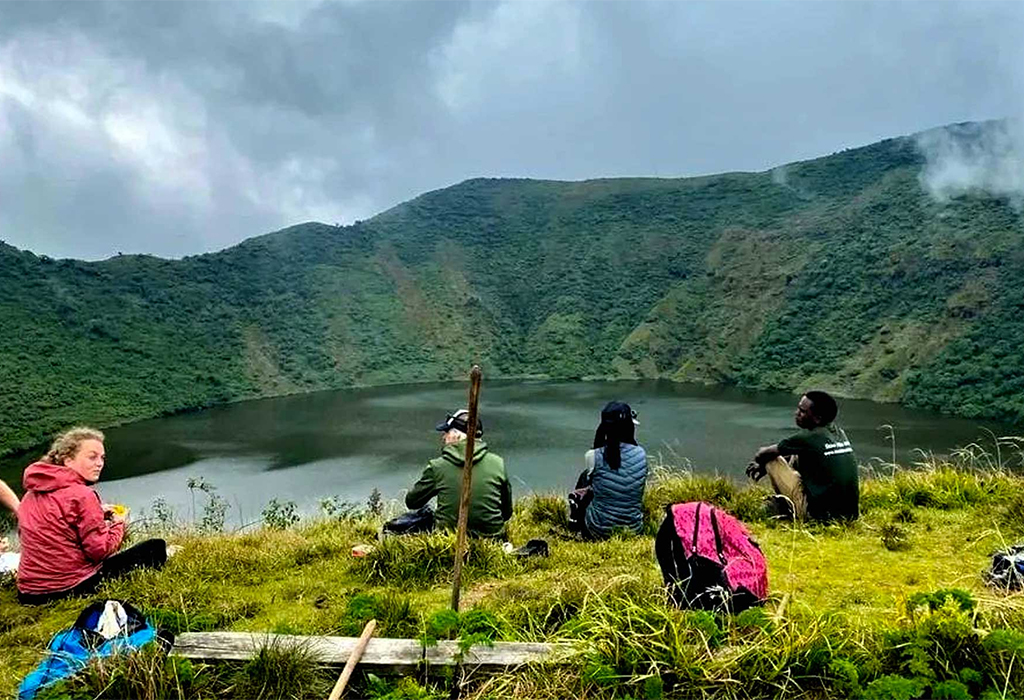 Mount Bisoke offers a challenging yet rewarding hike. This volcano, located in Volcanoes National Park, features stunning crater lake views. Adventure lovers will enjoy this trek.
Best Time to Go: The dry season ensures safer trails and clearer views.
Cost Considerations: Budget for hiking permits, guides, and park fees. Hiring porters helps manage the hike.
How to Plan: Start your hike early in the morning. Wear sturdy hiking boots and carry water, snacks, and a rain jacket.
Experience Tip: Reach the summit to enjoy breathtaking views of the crater lake and surrounding landscapes.
Bird Watching in Nyungwe Forest National Park
 Nyungwe Forest stands out as a bird-watching paradise. This park hosts over 300 bird species, including 29 endemics. Bird lovers will find endless opportunities for observation.
Best Time to Go: Visit during the dry season for clearer trails and better visibility.
Cost Considerations: Bird-watching tours often require guide fees. Include transportation and accommodation costs in your budget.
How to Plan: Bring binoculars, a bird guidebook, and a camera. Early mornings offer the best chances for sightings.
Experience Tip: Look out for the Rwenzori Turaco and Grauer’s Swamp Warbler. Guides help you spot these rare species.
Canopy Walk in Nyungwe Forest
 The Canopy Walk in Nyungwe Forest provides a thrilling perspective. This 90-meter-long suspension bridge hangs 50 meters above the forest floor.
Best Time to Go: The dry season offers safer and more comfortable conditions for the walk.
Cost Considerations: Entry fees cover the walk. Additional costs may include guides and transport.
How to Plan: Wear comfortable shoes and bring a camera. Guided tours ensure safety and enrich the experience.
Experience Tip: Enjoy panoramic views of the forest canopy. Spot monkeys and birds from this unique vantage point.
Tea Plantation Tour in Gisovu
 Gisovu, located near Nyungwe Forest, offers scenic tea plantations. A tea tour provides insight into Rwanda’s thriving tea industry.
Best Time to Go: Visit during the dry season for the best plantation views.
Cost Considerations: Tours often include a small fee. Buy fresh tea as a souvenir.
How to Plan: Wear comfortable clothes and shoes. Guided tours explain the tea-growing and processing steps.
Experience Tip: Enjoy tea tasting at the end of the tour. The fresh flavors make for a refreshing treat.