
How to plan Gorilla Trekking in Bwindi from Russia
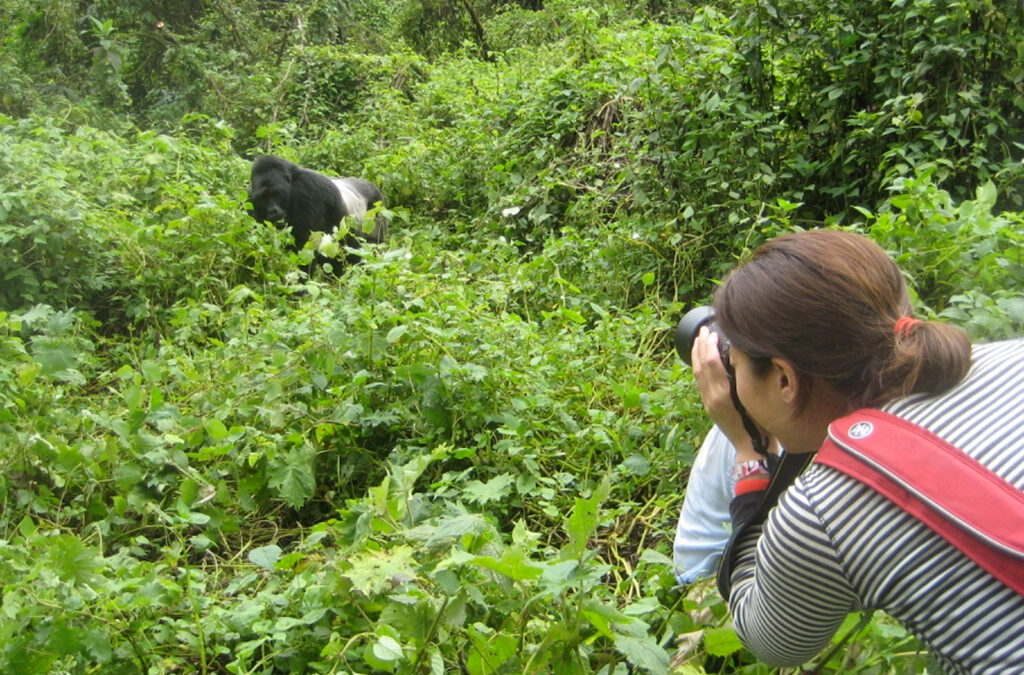
Are you planning Gorilla Trekking in Bwindi from Russia? This guide will help you prepare for the journey. Bwindi Impenetrable National Park in southwestern Uganda is home to mountain gorillas and offers a unique wildlife experience. Trekking through the dense forest takes effort, but seeing gorillas up close is worth it. The park also has many birds, monkeys, and rare plants, making it a great place for nature lovers.
Getting to Uganda from Russia requires flights with layovers, as no direct routes exist. Most travelers fly from Moscow to Entebbe International Airport with one stop in cities like Dubai, Addis Ababa, or Sharjah. The journey takes about 12 to 15 hours, depending on the airline and layover time. After landing in Entebbe, travelers usually take a taxi or shuttle to Kampala before heading to Bwindi. Planning ahead ensures a smooth trip, saves money, and helps avoid last-minute stress.
Flights from Russia to Uganda
Reaching Entebbe International Airport from Russia requires a connecting flight since direct routes are unavailable. Several airlines offer one-stop flights from Moscow to Entebbe, including Ethiopian Airlines, Emirates, and Air Arabia. Ethiopian Airlines has a layover in Addis Ababa, making it one of the fastest options. Emirates flies from Moscow Domodedovo Airport with a stop in Dubai. Air Arabia connects through Sharjah and often has budget-friendly fares.
The total travel time varies based on the layover duration and airline schedule. Most flights take between 12 and 15 hours, depending on the route. Checking airline schedules early helps secure the best prices and avoids last-minute booking issues. Using travel websites like Skyscanner or Expedia helps compare fares and find good deals. Flights tend to be cheaper during mid-week, so travelers with flexible dates might save money.
Arriving in Uganda and Traveling to Bwindi
Entebbe International Airport is Uganda’s main entry point, and most visitors start their journey there. After landing, travelers usually take a taxi or shuttle to Kampala, which takes about 45 minutes to an hour. Several transport options are available, including private hires and airport taxis, with prices depending on the type of service chosen.
Getting from Kampala to Bwindi involves a long drive or a short domestic flight. Most travelers take a private car, rental vehicle, or bus, with the drive taking about 8 to 10 hours. The road passes through scenic landscapes, small towns, and rolling hills before reaching Bwindi. A faster option is a domestic flight from Entebbe or Kajjansi to Kihihi or Kisoro airstrip, followed by a short drive to the park. Booking domestic flights early ensures availability and helps avoid unexpected delays.
About Bwindi Impenetrable National Park
Bwindi Impenetrable National Park is located in southwestern Uganda and covers a vast area of dense forest. The park lies in the districts of Kisoro, Kabale and Kanungu, offering a protected habitat for mountain gorillas. Its rugged terrain and thick vegetation make trekking challenging but rewarding. Visitors can see various wildlife, including monkeys, birds, and forest elephants.
The forest consists of a mix of trees, vines, and ferns, creating a lush green landscape throughout the year. The dense vegetation provides shelter for many animal species, making it one of the most biodiverse places in Africa. Besides gorillas, the park is home to chimpanzees, baboons, and over 350 bird species. The cool climate and high-altitude location create a refreshing environment, making it a great escape from city life.
Gorilla Trekking Experience
Gorilla trekking in Bwindi involves hiking through the forest to find a habituated gorilla family. Each trekker joins a small group led by experienced guides and park rangers. The trek can take anywhere from 2 to 8 hours, depending on the gorillas’ location. The forest trails can be steep, muddy, and slippery, requiring a reasonable level of fitness.
Before starting the trek, visitors attend a briefing at the park headquarters which starts at exactly 7:00am East African Time so you have to reach at briefing point as early as 6:30am. Rangers explain safety rules, gorilla behavior, and what to expect during the experience. Each group gets assigned a specific gorilla family to track. The trek involves walking through thick vegetation, climbing hills, and sometimes crossing small streams. Guides and trackers use their knowledge of gorilla movements to find them in the wild.
After reaching the gorillas, visitors stay for one hour at a safe distance of about 7 meters. This allows enough time to observe the gorillas as they eat, play, and interact with each other. Rangers ensure that visitors follow the rules to protect both the gorillas and themselves. Watching gorillas in their natural habitat is a rare and special moment that makes the long hike worthwhile.
Gorilla Families in Bwindi
Gorilla families in Bwindi Impenetrable National Park are spread across four sectors. Each sector offers unique opportunities to see these incredible creatures. The park is home to a significant number of gorillas, making it a top destination for gorilla trekking in Uganda. Here, you’ll learn about the different sectors and the number of gorilla families in each.
Buhoma Sector
The Buhoma sector is one of the most popular areas for gorilla trekking. It is located in the northern part of Bwindi. This sector has the highest number of gorilla families, with five different groups. The families here include the Mubare, Habinyanja, Rushegura, Katendegyere, and Busingye. Visitors to Buhoma enjoy easy access to these families, and the treks are shorter. The sector is famous for its lush, forested trails that lead to these magnificent creatures. Buhoma is often a favorite for first-time trekkers due to its accessibility and the abundance of gorilla families.
Nkuringo Sector
The Nkuringo sector lies in the southwestern corner of Bwindi. It is known for its steep terrain and scenic views. This sector is home to three gorilla families: the Nkuringo family, the Christmas family, and the Nshongi family. Nkuringo’s treks are a bit more challenging, so trekkers should be physically prepared for a tougher hike. However, the reward is worth it. Nkuringo offers a quieter, less crowded experience, making it perfect for those who prefer a more intimate encounter with the gorillas. The views of the Virunga Volcanoes are an added bonus.
Rushaga Sector
Rushaga is one of the most visited sectors in Bwindi and lies to the south. It is home to the most gorilla families, with a total of seven. These include the Nshongi, Mishaya, Bweza, Kahungye, Busingye, Rwigi, and the newly habituated family, the Kutu. The Rushaga sector is known for its dense forest and diverse landscape. It also provides a range of trekking options, from easy to difficult hikes, giving trekkers a chance to choose their level of adventure. Many visitors prefer this sector for its rich variety of gorilla families.
Ruhija Sector
Ruhija lies in the eastern part of Bwindi, offering a quieter trekking experience. It is home to four gorilla families: the Oruzogo, Bitukura, Kyaguriro, and the newly habituated Mukiza group. Ruhija is more remote and less crowded compared to other sectors, making it ideal for trekkers who enjoy a peaceful experience. The terrain here is more rugged, and the treks are longer, but the sight of gorillas in this serene environment makes it all worthwhile. The Ruhija sector is a good option for trekkers seeking solitude and a deeper connection with nature.
Best Time to Visit Bwindi
Bwindi is open for gorilla trekking throughout the year, but some months offer better conditions than others. The best time to visit is during the dry seasons from June to August and December to February. During these months, the forest trails are less muddy, making trekking easier and more comfortable. The weather is cooler, and the chances of spotting gorillas quickly are higher.
The rainy seasons, from March to May and September to November, make trekking more difficult due to slippery trails. However, these months attract fewer tourists, making permits easier to get. Travelers visiting during the rainy season should wear waterproof clothing and carry extra gear to handle wet conditions. Booking a permit early helps secure a spot, especially during the peak season when demand is high.
Gorilla Trekking Permits and Costs
A gorilla trekking permit is required for all visitors and must be obtained before arriving at Bwindi. The Uganda Wildlife Authority issues permits, and each one allows a one-hour visit with a gorilla family. The cost of a permit for foreign non-residents is around $800 per person. Foreign residents pay slightly less $700, while East African citizens get a discounted rate (UGX300,000).
Permits are limited, with only a few available each day to reduce human impact on the gorillas. Booking at least six months in advance is recommended, especially during the high season. Travelers can book permits through a tour operator (Iconic Africa Safaris) or directly from the Uganda Wildlife Authority. The permit price includes the park entry fee and the services of guides and trackers.
Packing List for Gorilla Trekking
Proper packing ensures a comfortable and enjoyable trekking experience in Bwindi. A good pair of hiking boots with strong grip helps navigate steep and muddy trails. Lightweight, long-sleeved clothing protects against insect bites and scratches from vegetation. A waterproof jacket is essential, as rain can fall unexpectedly in the forest.
Other important items include a small backpack, insect repellent, gloves, and energy snacks. A walking stick, provided at the park headquarters, offers extra support on rough terrain. A camera with a good zoom lens helps capture moments without disturbing the gorillas. Packing light but carrying essentials makes the trek easier and more enjoyable.