
How to Choose the Right Trekking Route in Rwenzori Mountains
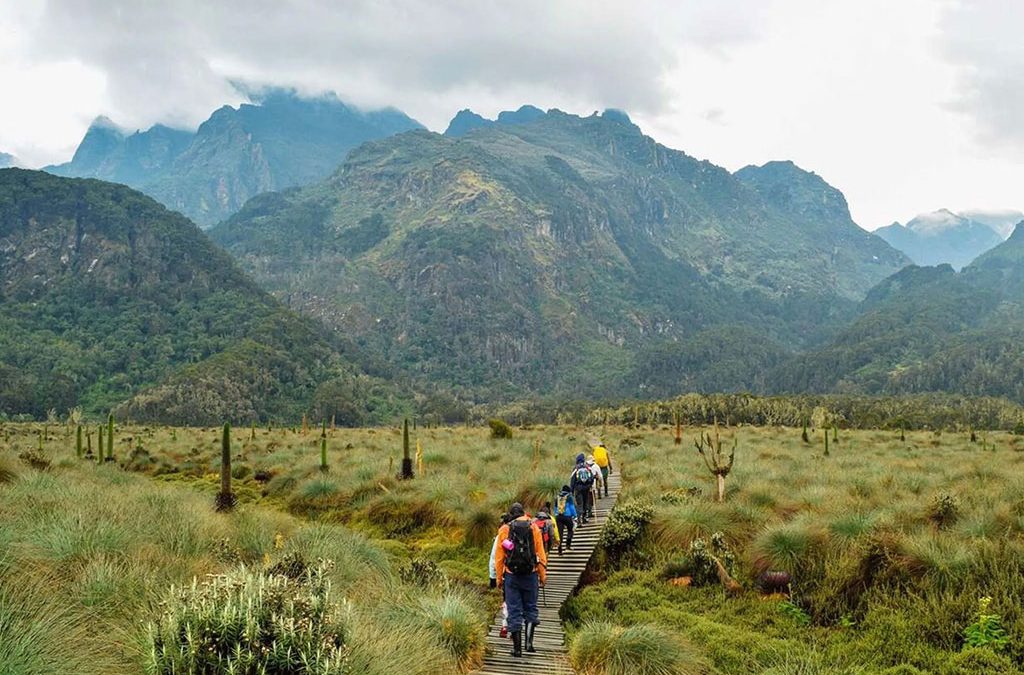
Choosing the right Rwenzori Trekking Route sets the tone for your Rwenzori adventure. Whether you dream of standing atop Margherita Peak or trekking through lush forests, each route offers a unique experience. Mist drifts through giant heathers, gurgling streams cross ancient wooden bridges, and clouds roll across snow-capped peaks. The journey demands energy, determination, and thoughtful planning. From gentle forest trails to challenging glaciers, your choice depends on your fitness, comfort preference, and travel time. Selecting the right trail ensures your trek becomes an unforgettable blend of beauty and achievement.
Discovering the Rwenzori Experience
The Rwenzori Mountains, often called the “Mountains of the Moon,” rise dramatically along Uganda’s western border with Congo. Their peaks, wrapped in mist and glaciers, hide secret valleys filled with giant lobelias and gleaming streams. Trekking here feels like walking through multiple worlds—each altitude zone reveals new colors, air, and rhythm of life. Birds call from thick forests, waterfalls echo through mossy canyons, and sunlight flashes across alpine lakes. This ever-changing atmosphere makes Rwenzori trekking not just a physical challenge but a deeply emotional experience of nature’s raw power.
Understanding Your Trekking Goals and Fitness Level
Before choosing your Rwenzori route, reflect on your goals and physical readiness. If you aim to conquer Margherita Peak, Uganda’s highest point, the Central Circuit or Kilembe Trail are your main paths. Both reach heights above 5,000 meters, demanding endurance and mental strength. However, if you want a shorter rainforest experience, the Mahoma Trail offers a simpler taste of mountain beauty. It fits travelers with limited time yet still captures the region’s wild atmosphere. Think about how many days you can hike comfortably and how your body handles altitude, rain, and long climbs.
Central Circuit: The Classic Challenge
The Central Circuit Route remains the most traditional and demanding path through the Rwenzori Mountains. This 7–9 day trek departs from Nyakalengija near Kasese and circles through forests, bogs, and rocky slopes toward the high peaks. Trekkers camp along the route, immersing themselves fully in the wilderness. Nights are quiet except for the sounds of rushing streams and mountain winds. The path crosses dense bamboo forests before opening to moorlands dotted with strange plants like giant groundsels. You’ll gradually ascend toward peaks such as Mount Stanley, Baker, and Speke, each offering dazzling glacier views on clear mornings.
Every day brings new challenges—steep climbs, mud-covered boardwalks, and slippery rock faces test both stamina and spirit. Yet every viewpoint rewards your effort with spectacular beauty. Standing above the clouds, gazing into vast valleys, you realize why early explorers called these peaks “the most beautiful in Africa.” For fit, adventurous travelers seeking a raw mountain experience, the Central Circuit promises true immersion into nature’s heart.
Kilembe Trail: Comfort and Stunning Landscapes
The Kilembe Trail begins near Kasese town and provides a more comfortable journey without losing adventure. This 8-day route uses mountain huts for accommodation, sparing trekkers from daily camping chores and damp tents. Wooden huts built along the trail allow you to rest warmly after a long day’s climb, sharing stories beside a glowing lantern. The path winds through river valleys, alpine meadows, and glacier lakes, creating ever-changing scenery that photographers adore.
Unlike the Central Circuit, this route offers better acclimatization since it allows gradual altitude gain. Trekkers spend more time ascending through different ecological zones, minimizing altitude sickness. The landscapes shift beautifully—from lush montane forests alive with monkeys and birds, to high alpine ridges overlooking mist-covered valleys below. You may even spot Rwenzori turacos flashing crimson wings among mossy branches. The Kilembe Trail’s comfort, steady pace, and panoramic views make it ideal for those seeking a balance of challenge and relaxation amid breathtaking beauty.
Mahoma Trail: A Short and Scenic Escape
If time is limited, the Mahoma Trail provides a shorter but deeply rewarding Rwenzori hiking experience. It ranges from one to three days, winding through thick forest near Nyakalengija before reaching the serene Lake Mahoma. The trail exposes trekkers to Uganda’s classic mountain atmosphere—cool mist, moss-covered trees, and glittering waterfalls. You may hear the chatter of blue monkeys or see colorful birds darting through dense leaves. Each step feels peaceful and immersive, creating a sense of tranquility rarely found elsewhere.
For beginners or travelers seeking an introduction to mountain trekking, this route delivers comfort and adventure without the strain of high-altitude climbing. Camping near the lake under the stars offers a magical end to each day. The Mahoma Trail is perfect for photography, nature appreciation, and those who love forest walks with bursts of mountain views above the treetops.
Planning Your Route Wisely
Planning is vital for any Rwenzori adventure. Start by deciding how many days you can spend in the mountains and which trail fits your fitness. Longer routes like the Kilembe Trail allow the body to adjust naturally to altitude changes. Shorter hikes, though less demanding, still reward trekkers with unforgettable scenery. You should also consider your preferred type of accommodation—mountain huts along the Kilembe route provide warmth and simplicity, while Central Circuit camping requires more gear but offers unmatched wilderness intimacy.
Budget plays an essential role since trekking fees, porters, and guide services vary per route. Professional guides are mandatory and invaluable; they ensure safety and share local knowledge about wildlife and landscapes. Meanwhile, porters ease your physical burden, carrying heavy gear so you can focus on enjoying every view. By combining smart planning with flexibility, you set yourself up for a comfortable and memorable Rwenzori journey.
Essential Gear for Rwenzori Trekkers
The Rwenzori Mountains challenge every explorer with unpredictable weather, slippery terrain, and chilly nights. Proper equipment makes all the difference between comfort and struggle. Begin with sturdy hiking boots that are waterproof and offer strong ankle support. Trails often cross bogs and rocky slopes that test even the best footwear.
Next, pack layered clothing to adjust to rapidly changing conditions. Mornings may start warm and humid, but higher altitudes can drop to freezing. A waterproof jacket helps against sudden rain or high winds blowing across open ridges. Pack a warm sleeping bag, especially for treks reaching high altitudes where night temperatures can fall below zero. Trekking poles aid balance on steep descents, while a reliable backpack keeps essentials within easy reach. Also carry a headlamp for early starts, sun protection, and water purification tablets for safe hydration on long days.
Being fully prepared allows you to move confidently and fully absorb the splendor of these mountains. Trekkers who carry quality gear experience freedom and security even under shifting skies.
Safety Measures for a Smooth Ascent
Safety in the Rwenzori Mountains depends on awareness, discipline, and respect for altitude. Acclimatization remains the golden rule—ascend gradually and give your body time to adapt. Avoid rushing even if excitement drives you higher; slow climbs reduce the risk of altitude sickness. Stay hydrated all day since mountain air draws moisture quickly.
Guides play a critical safety role—they know every tricky slope, stream crossing, and weather pattern. Listen closely and follow instructions about pace, rest, and route choices. Weather changes fast here, with sunshine turning to fog or rain within minutes. Always keep rain gear accessible. Take regular breaks to regain strength and enjoy mountain views instead of pushing too hard. When you notice headache or dizziness, alert your guide and descend if necessary.
Staying aware of surroundings prevents falls on slippery rocks or narrow trail sections. Moving deliberately with trekking poles improves balance through muddy zones. Communicate clearly with your group, especially during low visibility or fast descents. Finally, let someone outside the park know your trekking schedule before departure for extra security.
Emotional Rewards of the Journey
Trekking in the Rwenzori Mountains brings deeper rewards than just physical accomplishment. Every sunrise paints snow-clad peaks pink and gold, filling trekkers with awe and gratitude. The silence of high valleys, broken only by wind or distant waterfalls, offers meditation-like calm. Sharing dinner by the fire or laughing with guides after a long climb builds unforgettable human connections.
As you approach each camp, mist curling around giant heathers, you feel the rhythm of the mountains enter your soul. Each challenge—every muddy step, every cold morning—strengthens patience and appreciation for nature’s might. Standing near the glaciers at dawn, with sunlight breaking over peaks, feels like witnessing the world’s creation anew. The Rwenzori experience leaves every traveler humbled, refreshed, and deeply connected to life’s raw essence.