How to Book a Discounted Gorilla Safari in Uganda
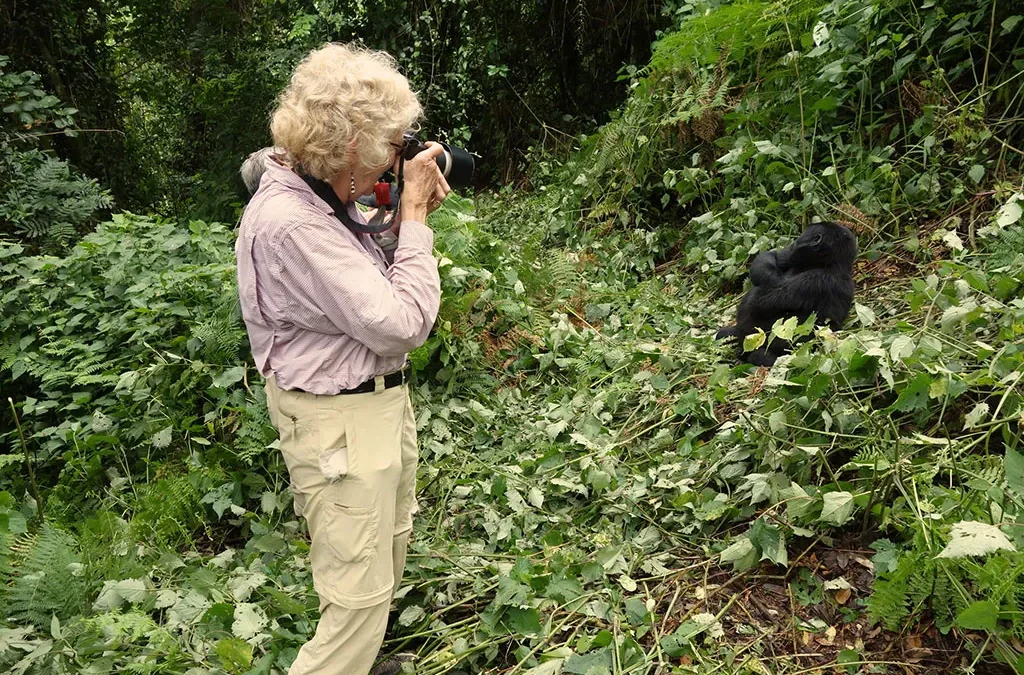
Have you always dreamed of standing face-to-face with a mountain gorilla in the wild? Uganda is one of the very few places on earth where this is possible – and the good news is, it does not have to cost you a fortune. With the right timing and planning, you can experience one of nature’s greatest wonders at a much lower price than you might expect.
When Is the Best Time to Get a Discount?
Timing is everything when it comes to saving money on a gorilla safari. The best months to visit Uganda at a lower cost are April, May, and November. These are called the low season months, and during this time, prices drop significantly.
Here is what you save during the low season:
- Gorilla permits for Foreign Non-Residents drop from $800 to $600 – that is a saving of $200 on just the permit alone.
- Gorilla permits for Foreign Residents drop from $700 to $500 – saving you $200 as well.
- Lodge accommodation rates also go down, meaning your bed and meals cost less.
- Guiding fees are reduced too, which lowers your overall trip budget even further.
All these savings together mean your entire trip becomes much more affordable compared to the peak season months. To lock in these prices, it is recommended to book your permit at least 3 to 4 months in advance. You can do this through a trusted operator like Iconic Africa Safaris or directly through the Uganda Wildlife Authority (UWA).
Now you might be wondering – is it rainy during these months? Yes, April, May, and November are typically wetter months. However, Uganda’s weather is not always predictable, and sunny days can still happen. A little rain should not stop you from having an incredible experience.
How Long Does a Gorilla Safari Need to Be?
This really depends on your schedule and budget. Are you short on time, or do you have a week to spare? Uganda offers options for both. If you have limited time or a tighter budget, a 3-day gorilla safari is perfect. You visit either Bwindi Impenetrable National Park or Mgahinga Gorilla National Park, do your gorilla trek, and return. Simple, focused and deeply rewarding.
If you have more time and want a fuller African adventure, you can extend your trip to 5 days and add a game safari in nearby Queen Elizabeth National Park. This park is home to the Big 4 – elephants, buffaloes, lions, and leopards – plus various antelopes such as kobs, topis, impalas and other wildlife such as wathogs. While there, you can also enjoy:
- A boat cruise on the Kazinga Channel, where hippos, crocodiles, and hundreds of bird species gather along the water’s edge.
- Chimpanzee trekking in Kyambura Gorge, where you walk through a forest gorge to find wild chimpanzees in their natural home.
Where Should You Fly Into?
Did you know that your choice of airport can affect your total safari cost? You have two options when planning your gorilla safari in Uganda:
- Entebbe International Airport (Uganda): This is the main international airport in Uganda. However, it is a 9 to 10 hour drive to Bwindi and Mgahinga, which means more time and fuel costs.
- Kigali International Airport (Rwanda): Flying into Kigali in neighbouring Rwanda is actually cheaper and faster for gorilla trekking. It is only a 4 to 5 hour drive to Bwindi and Mgahinga, cutting your travel time nearly in half and reducing transport costs.
If your goal is to save money, flying into Kigali is a smart choice.
What Happens During the Gorilla Trek Itself?
So, what does a gorilla trekking day actually look like? Here is a simple walk-through of what to expect.
- The Morning Briefing: Your day starts early at the park headquarters, usually between 7:30 and 8:30 AM. A Uganda Wildlife Authority guide will explain the rules before you set off. These include staying at least 7 meters away from the gorillas, staying in a group of no more than eight trekkers, and spending no longer than one hour with the gorilla family. These rules exist to protect both you and the gorillas from disease and stress.
- The Hike: After the briefing, you head into the forest. The terrain in Bwindi is steep and dense – expect muddy trails, river crossings, and thick vegetation. Treks can take anywhere from 2 to 7 hours depending on where the gorilla family is that day. In Mgahinga, the hike to the Nyakagezi gorilla family is generally shorter, between 1 and 4 hours, through beautiful bamboo forests on the slopes of the Virunga volcanoes. Hiring a porter for around $15 to $20 is highly recommended — they carry your bag and help you through the tough sections.
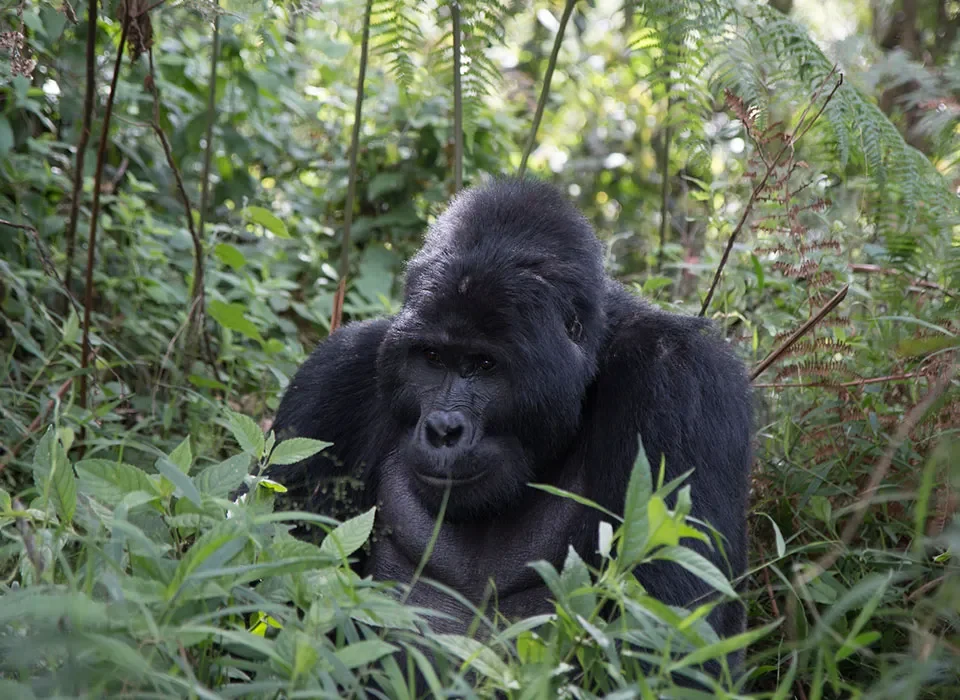
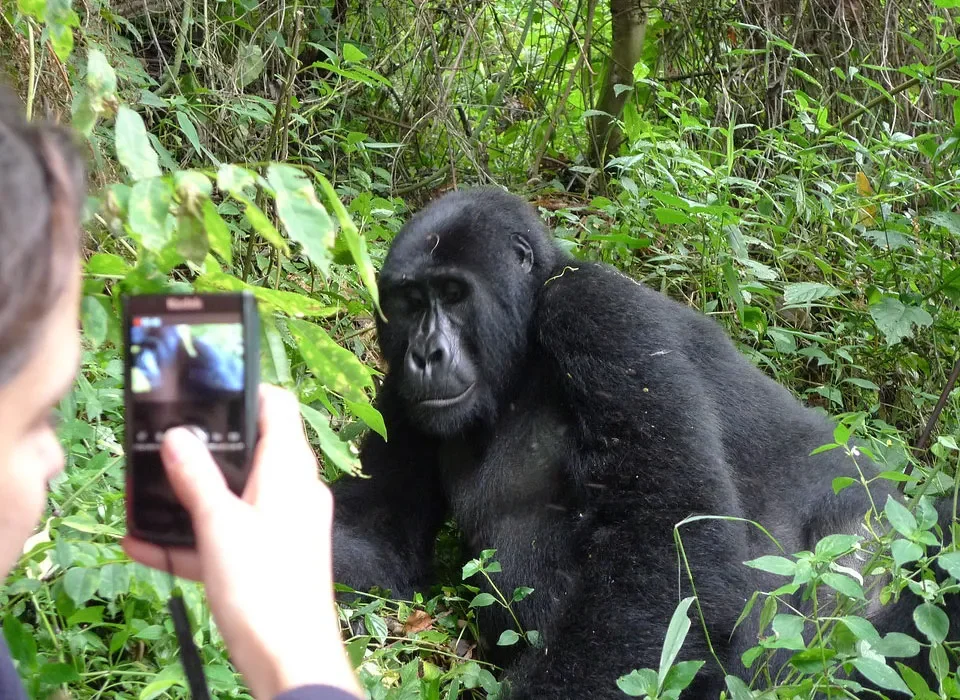
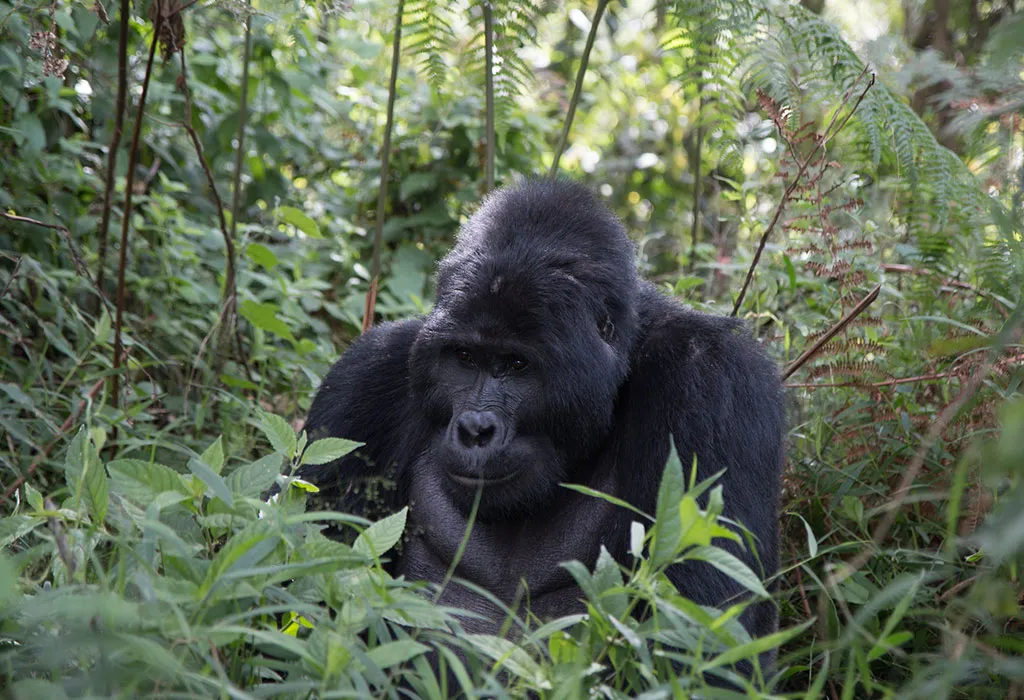
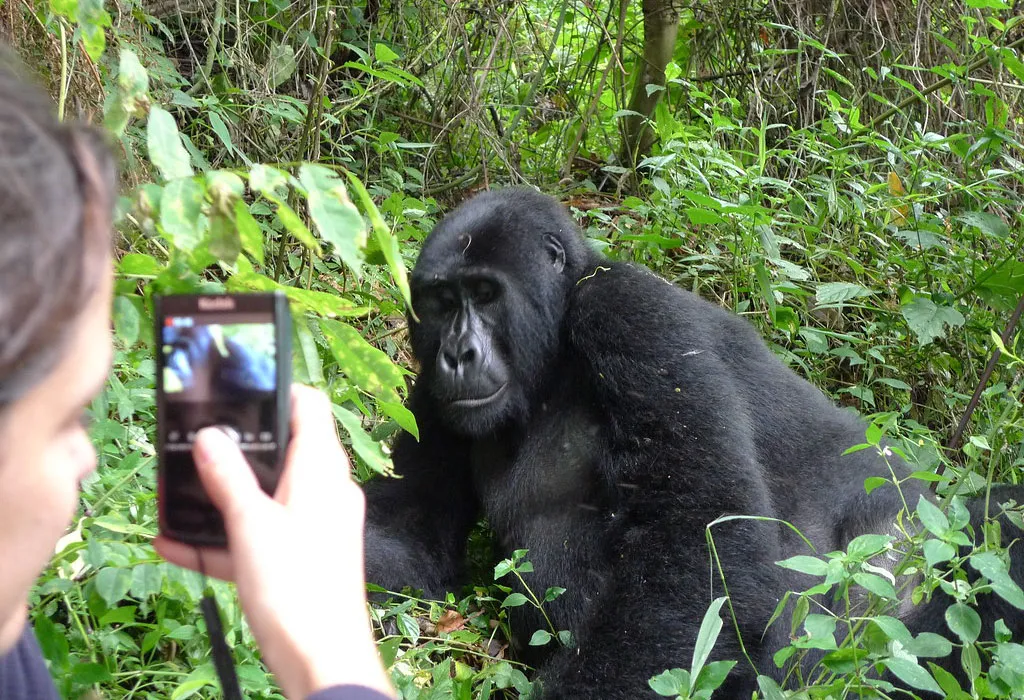
- The Encounter: When you finally find the gorilla family, you will have exactly one hour with them. Watch them feed, play, and interact – it is truly like nothing else on earth. Young gorillas may come close out of curiosity. Crouch down, stay quiet, and avoid direct eye contact. Photography is allowed but without flash.
What Can You Do After the Trek?
After you return from the forest, tired but completely thrilled, there is still plenty to enjoy. You will receive a trekking certificate as a memento of your achievement. Depending on where you stayed, you can also:
- Relax at your lodge with a meal and perhaps a massage.
- Join a community walk and learn about local life around the park.
- Experience Batwa culture, learning about the indigenous people who once called these forests home.
- Go birding — Bwindi alone has over 350 bird species.
- Hike a volcano or track golden monkeys if you are in Mgahinga and still have energy to spare.
The Two Safari Options and What They Cost
Here are the two ready-made safari packages available, with clear pricing so you know exactly what you are paying for.
Option 1:
3-Day Gorilla Trekking Safari which costs:
- Solo traveller: $1,580
- 2 people sharing: $1,300 per person
- 4 people sharing: $1,220 per person
This package cost covers transport, accommodation, meals and your gorilla trekking permit.
Day 1: Pick up from Kigali or Entebbe and transfer to Bwindi or Mgahinga.
Day 2: Full gorilla trekking experience in the forest.
Day 3: Transfer back to Kigali or Entebbe for your flight home.
Option 2:
5-Day Gorilla Trekking and Game Safari which costs:
- Solo traveller: $2,240
- 2 people sharing: $1,740 per person
- 4 people sharing: $1,520 per person
This package costs covers transport, accommodation, meals, gorilla permits, a game drive, a boat cruise and all park entrance fees. Note that chimpanzee trekking in Kyambura is optional and costs an extra $200 for Foreign Non-Residents or $150 for Foreign Residents.
Day 1: Pick up from Entebbe and drive to Queen Elizabeth National Park.
Day 2: Morning game drive to see the Big 4, followed by an afternoon boat cruise on Kazinga Channel.
Day 3: Choose between chimp trekking in Kyambura Gorge or a game drive in Ishasha to spot tree-climbing lions, then drive to Bwindi in the afternoon.
Day 4: Full gorilla trekking in Bwindi Impenetrable Forest.
Day 5: Depart via Kigali International Airport.
NOTE: Both group sizes are flexible, so whether you are travelling alone, as a couple, or with a group of friends and family, there is an option that works for you. The most important step is booking early – especially if you want those low-season permits before they sell out.