How to Add Akagera Big Five to a Uganda Gorilla Trip
Planning an East African adventure that includes both Rwanda’s Big Five and Uganda’s mountain gorillas creates an unforgettable wildlife experience. This combined safari works perfectly because Akagera National Park in Rwanda sits relatively close to Uganda’s gorilla trekking destinations. The journey between Uganda Gorilla parks and kigali City takes only 4 to 5 hours by road, making the combination practical and enjoyable. You can design this adventure to start in Kigali and end in Entebbe, or reverse the route completely. Some travelers prefer starting and ending in Kigali, which also works well depending on the flight arrangements and preferences.
Planning Your Route
The route you choose depends mainly on which airport you use for arriving and departing on your adventure. If you start your trip in Kigali and plan to end in Entebbe, you can begin with Akagera safari first. After completing your Big Five experience, you then cross into Uganda for gorilla trekking in either Bwindi or Mgahinga parks. If you reverse this plan and start in Entebbe while ending in Kigali, you should trek gorillas first. You would then finish your adventure with the Big Five safari in Akagera National Park before flying home from Kigali. For travelers starting and ending in Kigali, placing Akagera at the end of your trip works best logistically. This combined adventure requires at least 5 days to maximize your wildlife viewing and trekking experiences without rushing.
Discovering Akagera National Park in Rwanda
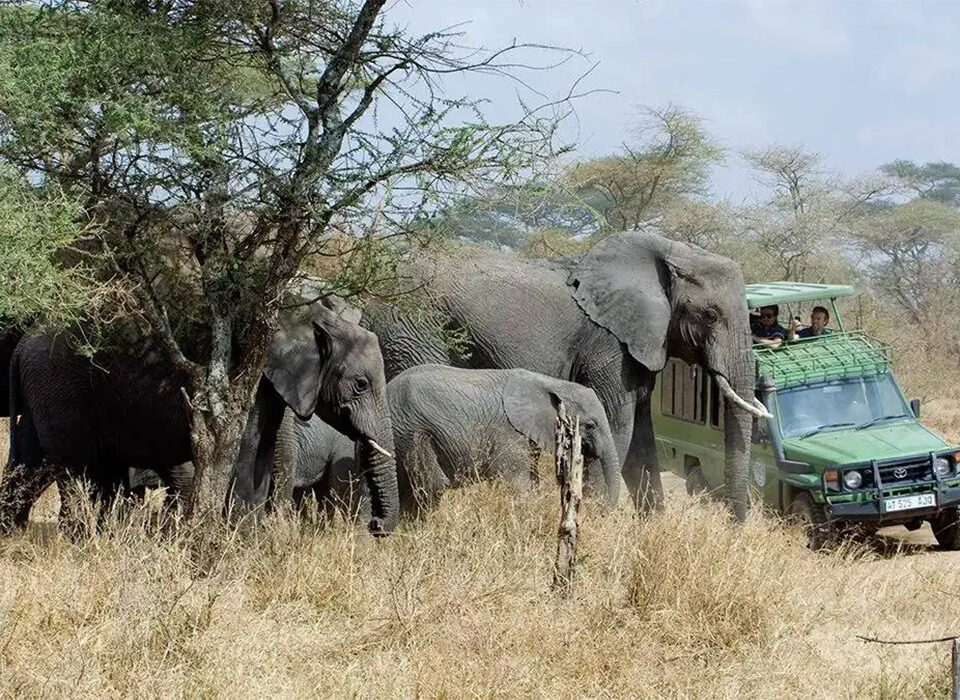
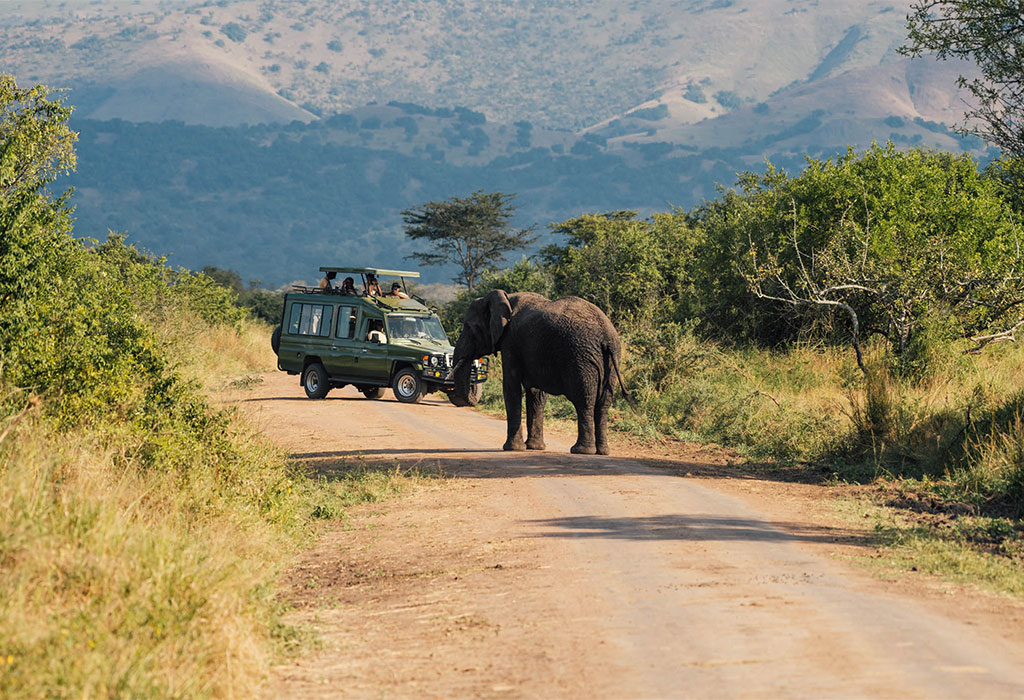 Akagera National Park stands as Rwanda’s only destination where visitors can observe all Big Five animals in their natural habitat. These famous animals include lions, leopards, elephants, rhinoceroses, and buffaloes, alongside zebras, giraffes, and various antelope species throughout the park. Poaching once severely impacted the park, but successful conservation efforts restored its Big Five status through careful wildlife reintroductions. Lions returned to Akagera in 2015 through a translocation program from South Africa, and they now thrive impressively. Black rhinoceroses arrived in 2017, followed by white rhinoceroses in 2021, completing the park’s remarkable Big Five restoration story.
The Big Five Experience in Akagera National Park
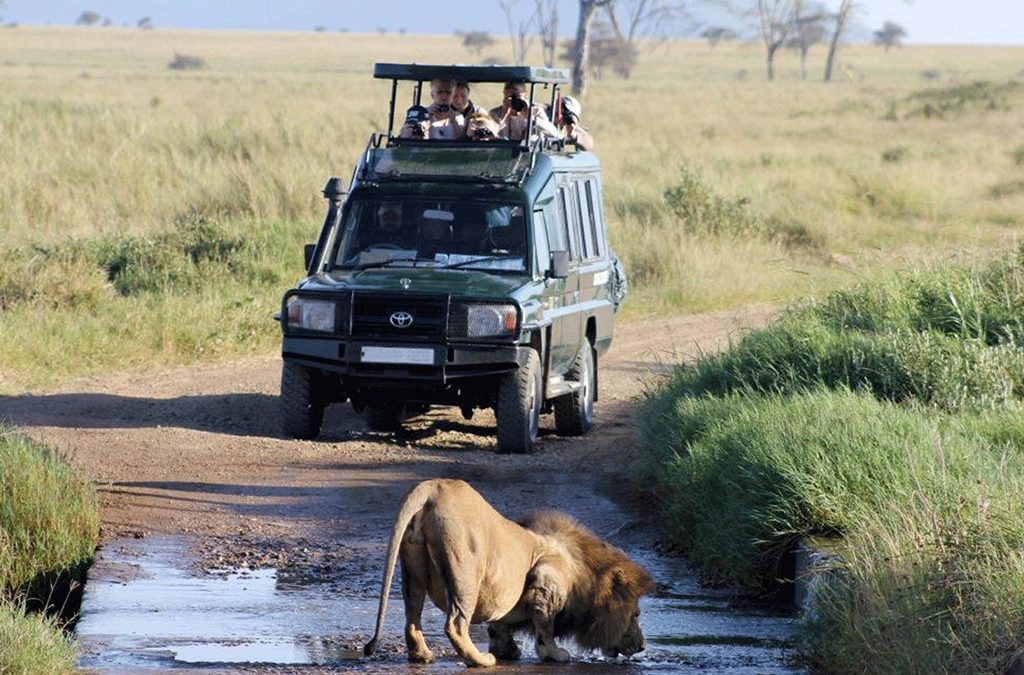
Lions now form a thriving population after their reintroduction, and visitors frequently spot them across the northern savannah plains. Leopards remain the most elusive members of the Big Five, preferring bushy thickets throughout the park’s varied landscapes. Night drives offer the best opportunities for spotting these secretive cats, as they become more active after darkness falls. Large herds of African bush elephants roam freely, often gathering near Lake Shakani and Lake Ihema for water and bathing. Both black and white rhinoceroses inhabit the southern sections of the park, where rangers monitor them carefully for protection. Buffaloes number approximately 4,000 individuals, making them among the most frequently sighted animals on any game drive here.
Gorilla Trekking Destinations in Uganda
 Uganda’s gorilla trekking takes place in two spectacular national parks located in the country’s southwestern highlands near Rwanda. Bwindi Impenetrable Forest National Park and Mgahinga Gorilla National Park both sit just 4 to 5 hours by road from Kigali. This proximity makes crossing between Rwanda and Uganda smooth and convenient for travelers combining both countries in one trip.
Bwindi Impenetrable Forest National Park
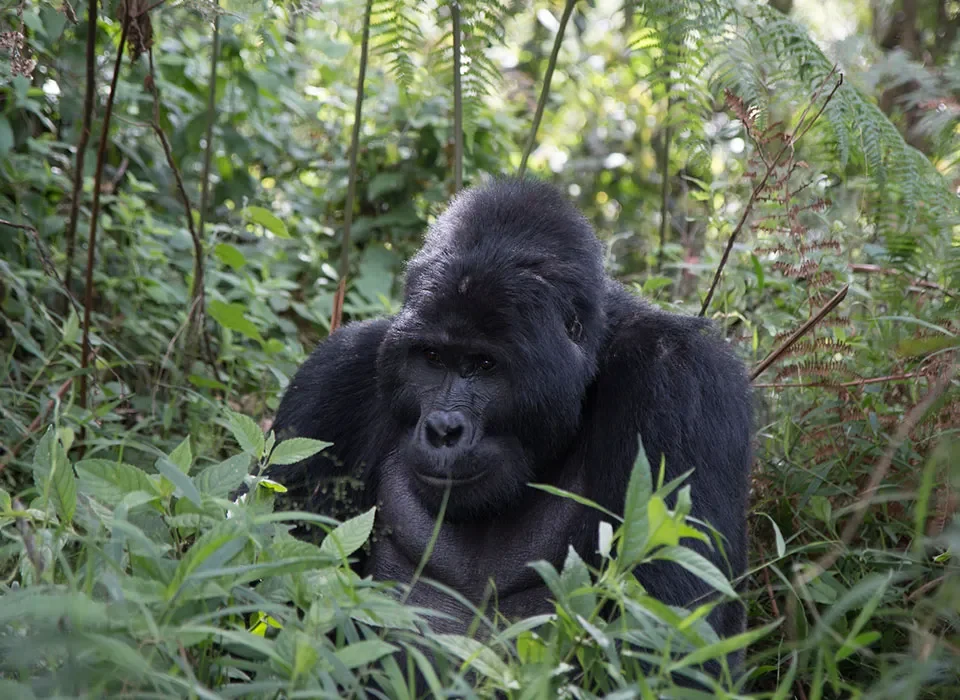
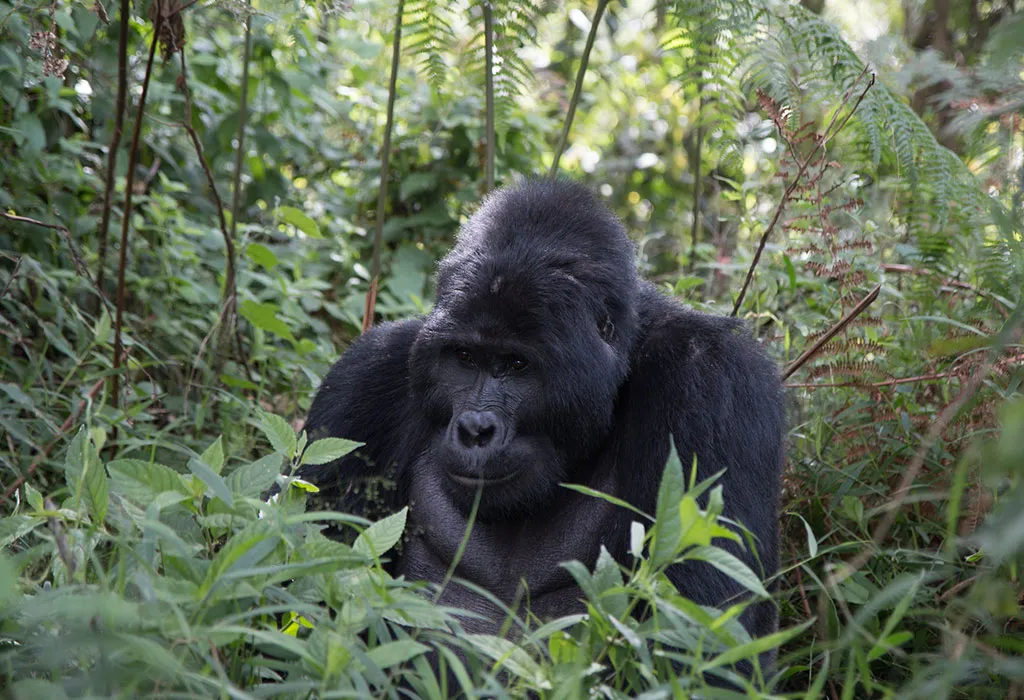
Bwindi Impenetrable Forest National Park holds UNESCO World Heritage status and protects nearly half of the world’s remaining mountain gorillas. This ancient rainforest, dating back over 25,000 years, contains extraordinary biodiversity including 350 bird species and 120 mammal species. The park divides into four different sectors: Buhoma, Rushaga, Ruhija, and Nkuringo, each offering gorilla trekking with habituated families. About 459 mountain gorillas live within Bwindi’s dense forests, representing a significant portion of the entire global population of these endangered primates. The park’s multiple sectors mean more gorilla permits become available daily, giving travelers better chances of securing their preferred trekking date. Bwindi’s steep, rugged terrain and dense vegetation create the “impenetrable” character that gives this remarkable forest its descriptive name.
Mgahinga Gorilla National Park
Mgahinga Gorilla National Park ranks as Uganda’s smallest national park, covering just 33.7 square kilometers in the Virunga Mountains. The park protects one habituated gorilla family called Nyakagezi, which moves between Uganda, Rwanda, and the Democratic Republic of Congo. Only eight gorilla permits are available daily at Mgahinga because of this single habituated family living within its boundaries. However, Mgahinga offers advantages for trekkers with fitness concerns, as the terrain proves less challenging than Bwindi’s steep slopes. The bamboo forest habitat where gorillas feed creates relatively easier walking conditions compared to Bwindi’s dense undergrowth and valleys. Three volcanic peaks—Muhabura, Gahinga, and Sabyinyo—dominate the park’s landscape, offering additional hiking opportunities beyond gorilla trekking for adventurous visitors.
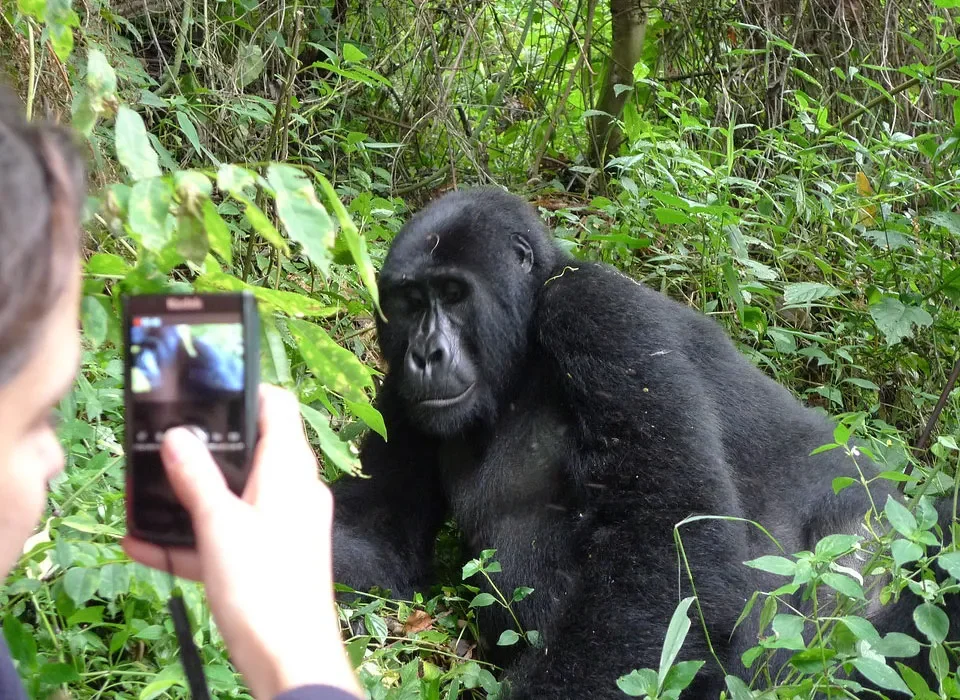
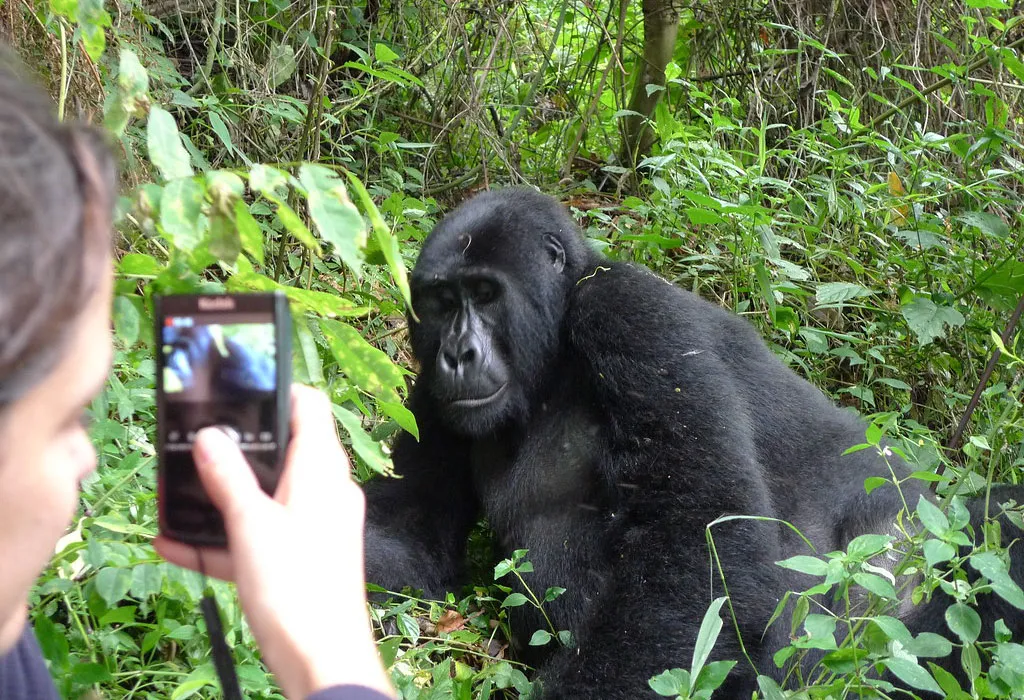
Gorilla trekking at either park begins with a comprehensive briefing at approximately 7:00 in the morning at park headquarters. The actual trek duration varies from 2 to 6 hours depending entirely on where the gorillas moved overnight and that morning. Guides track the gorilla families using previous day’s nest locations and current signals from advance trackers already in the forest.
How to Cross Between Rwanda & Uganda
Traveling from Bwindi or Mgahinga to Kigali involves a scenic 4 to 5 hour overland journey including border crossing formalities. From Mgahinga, you drive through Kisoro town to the Cyanika border crossing, which connects directly with Rwanda’s northern region. From Bwindi, the route goes through Kabale town to the Katuna border crossing, also called Gatuna on Rwanda’s side. You need an East African Tourist Visa costing $100, which covers entry into both Uganda and Rwanda seamlessly. Most travelers arrange private 4×4 safari vehicles or book through tour operators such as Iconic Africa Safaris who handle all cross-border transfer logistics professionally.
Best Timing for this Combination
The dry season from June to September provides the best conditions for tracking and observing the Big Five animals. Water sources become scarce during these months, forcing animals to congregate around the park’s permanent lakes and rivers. The vegetation also thins out during dry periods, making wildlife much easier to spot across the open landscapes. Standard game drives operate during morning and afternoon hours, covering both savannah grasslands and woodland areas throughout the park. Night drives become essential for visitors hoping to spot leopards and other nocturnal predators that avoid daytime activity. Boat safaris on Lake Ihema offer unique perspectives, allowing you to observe elephants and buffaloes at water’s edge alongside hippos and crocodiles basking on the banks.
Book your gorilla trekking permits 3 to 4 months in advance through Uganda Wildlife Authority or reputable tour operators like Iconic Africa Safaris to guarantee your preferred dates and availability.