
How Chimpanzees Communicate – Lessons from the Forest
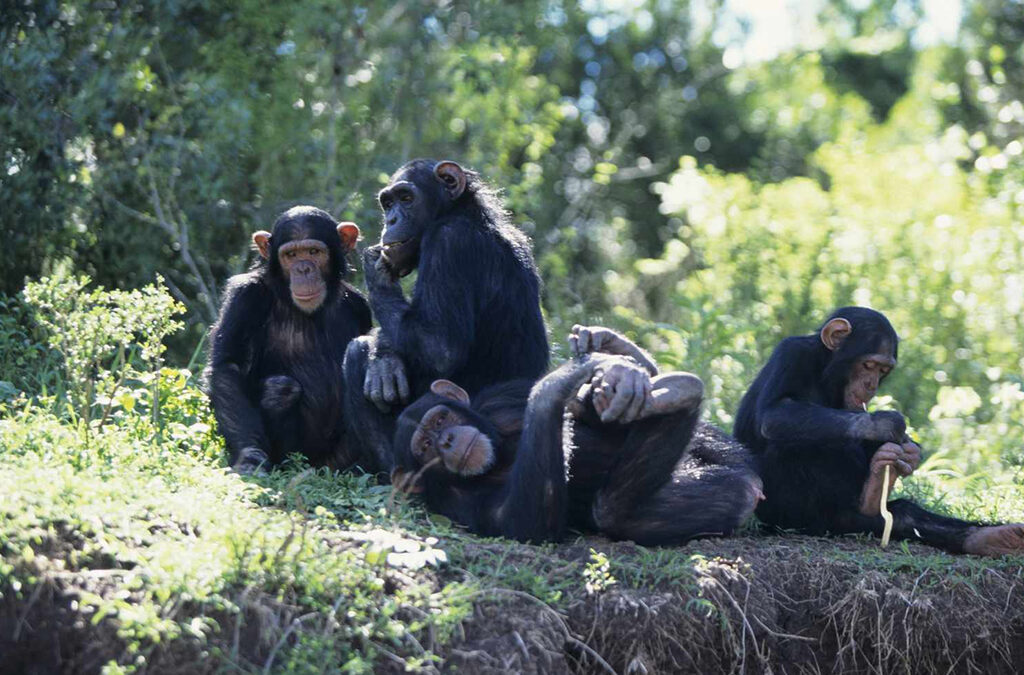
Chimpanzees live in social groups and use complex communication, much like humans. These intelligent primates express joy, sadness, fear, and even empathy. In their natural forest homes, chimpanzees vocalize, gesture, and use facial expressions to send messages. They also make use of their environment, using branches and leaves to enhance their communication. Despite the clear physical differences between humans and chimpanzees, we share many emotional and behavioral traits. Just like us, chimpanzees need safety, care, and strong bonds. By watching them in the forest, we learn how closely related we truly are. Their social behaviors offer deep insight into emotions, relationships, and group harmony in the wild.
Expressing Dominance
Male chimpanzees show power with dramatic charging displays. They stomp, clap, drag branches, and throw rocks. These actions make them look bigger and more threatening. Often, such displays scare rivals without any physical fight. This helps avoid injury while still confirming dominance. These behaviors happen more when group members challenge authority or when tensions rise.
Signs of Anger in Chimpanzees
When angry, chimpanzees stand upright and wave their arms while bristling with hair. They may scream loudly or throw sticks and rocks. Sometimes, their faces twist into fierce scowls, with lips tightly drawn. These actions are warnings meant to scare or stop aggression. They help maintain order without serious fights. Their expressive faces send clear messages to others.
Fear and Submissive Behaviors
Fearful chimpanzees show a special grin. This resembles nervous human smiles during tense moments. Submissive individuals often crouch low or extend a hand. Some also present their rumps or make pant-grunts. These signals show respect and reduce the chance of conflict. Dominant chimps respond with calm touches, kisses, or hugs. Such gestures keep peace in the group.
Social Grooming
Chimpanzees depend on physical contact to build and maintain strong relationships. Grooming plays a major role in this process. One chimp picks through another’s fur to remove dirt or insects. This activity calms tension and strengthens friendships. It also reduces stress among individuals. In chimp groups, grooming supports harmony and trust.
Gestures and Facial Expressions
Chimpanzees use body language to show emotions and intentions. Gestures, facial expressions, and postures carry many meanings. A chimp may slap the ground, stretch out a hand, or make eye contact. Each action sends a clear message. These movements help avoid misunderstandings and build unity in their social groups.
Unique Vocalizations and Calls
Chimpanzees have individual “pant-hoots” that act like names. Each sound identifies the caller. This helps chimps stay connected even when far apart. Young chimps laugh with breathy giggles during play. Meanwhile, adults grunt softly while foraging or resting. These sounds help keep the group in contact.
Reactions to Danger
Chimpanzees use loud “wraaaa” calls when sensing danger. This warns others about threats nearby. The call spreads fast and alerts the whole group. Such vocal alerts help everyone stay safe. The noise draws attention and prepares others to move or defend.
Sharing News About Food
When a chimp finds food, it uses special calls to inform others. These calls include grunts, barks, and excited pant-hoots. The louder the calls, the better the food. After a successful hunt, chimps make louder and more frequent sounds. These calls help gather the group for a shared meal.
Where to See Chimpanzees in East Africa
East Africa offers great locations for observing chimpanzees in their natural environments. Below are key destinations in Uganda, Tanzania, and Rwanda.
Uganda – Top Chimpanzee Locations
1. Kibale Forest National Park
Kibale Forest National Park has the highest density of chimpanzees in East Africa. It offers excellent chances for viewing them. Visitors track chimps in forested areas with experienced guides. The park is known as the primate capital of Uganda.
2. Budongo Forest
This forest lies near Murchison Falls National Park. Budongo offers a quiet, less-crowded chimpanzee experience. Visitors track chimpanzees while walking beneath tall tropical trees. The experience here differs from Kibale’s but remains equally rewarding.
3. Kyambura Gorge
Also known as the “Valley of Apes,” this gorge sits within Queen Elizabeth National Park. It provides a dramatic landscape for chimpanzee tracking. Chimps here live in an isolated population, making each sighting even more special.
4. Ngamba Island Chimpanzee Sanctuary
Ngamba Island protects orphaned and rescued chimpanzees. Located on Lake Victoria, it gives guests close-up views in a safe setting. The island offers educational tours and feeding sessions. It helps raise awareness about chimpanzee welfare.
5. Kalinzu Forest
Near Queen Elizabeth National Park, Kalinzu offers another fantastic chimpanzee encounter. The forest is rich with birds and other primates too. It makes a good addition to a broader Ugandan safari experience.
Tanzania – Iconic Chimpanzee Parks
1. Gombe Stream National Park
This park gained fame through Jane Goodall’s research. Gombe remains one of the best spots for studying wild chimpanzees. Visitors track small groups along forest trails by Lake Tanganyika. It is a remote and rewarding destination.
2. Mahale Mountains National Park
Mahale offers lush forests, mountain views, and access to Lake Tanganyika. It houses one of the largest known chimpanzee communities. Visitors hike through thick forest trails in search of these playful primates.
Rwanda – Chimpanzees in Nyungwe
1. Nyungwe Forest National Park
Nyungwe holds Rwanda’s main chimpanzee population. The forest also hosts other primates and many birds. Visitors follow guided trails through hilly terrain to locate chimps. The experience here combines scenic beauty and primate tracking.
Other Chimpanzee Tracking Considerations
Chimpanzee Habituation Experiences
Some parks, like Kibale, offer extended stays with chimpanzees. During habituation experiences, guests observe chimps from morning to evening. This offers a deep look into their daily life and social dynamics.
Best Time for Chimpanzee Tracking
Visit during the dry season, between May and August. Trails stay dry, and chimps become easier to track. Rain makes trails slippery and chimpanzees harder to follow.
Permit Requirements and Booking Tips
Permits are required in most parks. Book early, especially during peak travel months. Permit numbers stay limited to reduce stress on the chimpanzees.
Importance of Guided Tours
Always track chimpanzees with certified guides. They understand the forest and chimp behavior well. Guides ensure your safety and help interpret chimpanzee actions.