
Hell’s Gate and Mount Kenya – Climbing Two Different Worlds
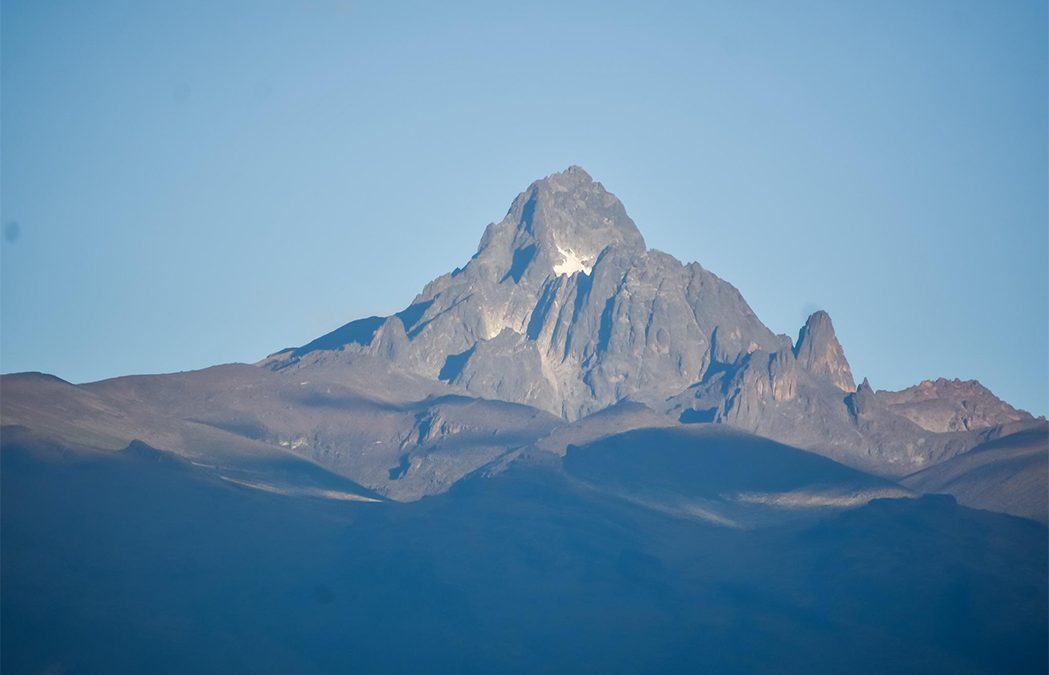
Hell’s Gate and Mount Kenya offer a tale of two climbing worlds, each promising distinct experiences for outdoor enthusiasts. Both parks lie in Kenya, but they differ drastically in terrain, adventure level, and the overall feel of their climbs. Read on to discover their unique essence, exciting highlights, and what you can expect from your visit.
Hell’s Gate National Park
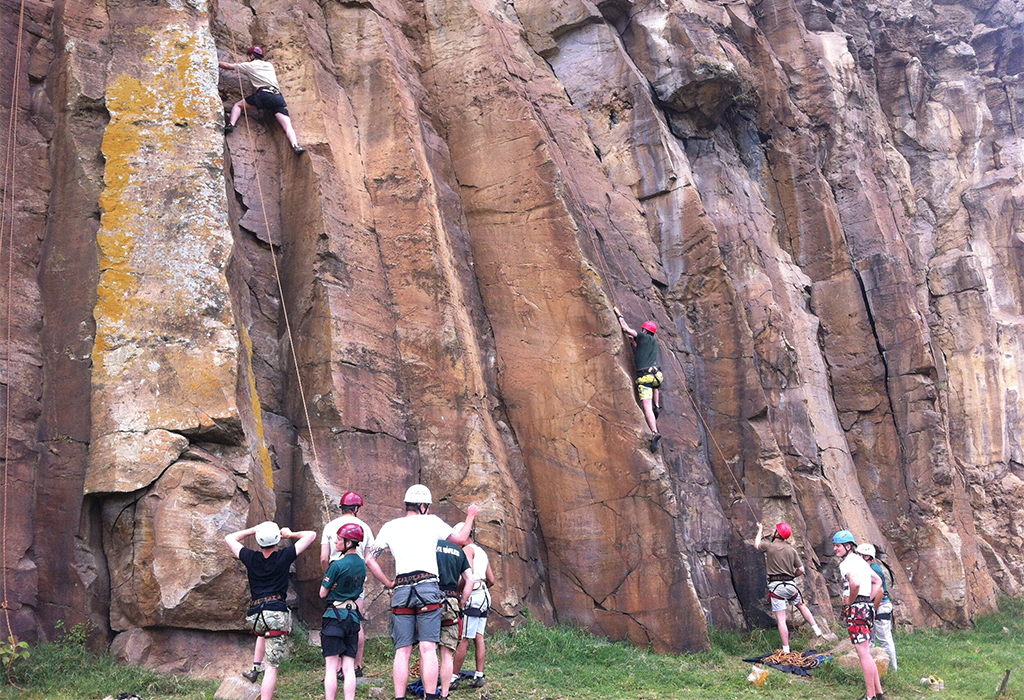 Hell’s Gate National Park sits in Kenya’s Great Rift Valley, about two hours from Nairobi. Its dramatic scenery, geothermal steam vents, and vast cliffs inspired scenes from “The Lion King.” But its allure extends far beyond the cinematic.
You reach Hell’s Gate quickly from Nairobi, making it an attractive stop for both day-trippers and weekend visitors. Once inside, you encounter towering cliffs, ancient gorges, and volcanic features like Fischer’s Tower. These formations offer spectacular backdrops for your adventures. Walking and cycling among the wildlife—zebras, giraffes, antelopes—creates unforgettable memories.
Rock Climbing
Hell’s Gate stands out for its accessible rock climbing options. You find climbs suited to every ability. Beginners and casual climbers often start with Fischer’s Tower, a striking 25-meter volcanic plug. The manageable height and solid routes guarantee a fun learning experience. For excitement, you can challenge yourself at the Central Tower, which offers steeper, technical climbs.
The park’s Main Wall attracts seasoned climbers seeking multi-pitch problems. Conquering this wall rewards you with awe-inspiring views of the Rift Valley. No matter your skill level, you benefit from local guides and available rental equipment, ensuring safety and support on every route.
Hell’s Gate isn’t only for climbers. The park features scenic hiking and biking trails. These paths snake through real African wilderness, letting you experience the landscape up close. Unlike other parks, you move around freely, often sharing the trails with roaming herbivores. This level of immersion is rare in East Africa.
Essential Rock Climbing Equipment
First, climbers must have a helmet. It protects the head from falling rocks and accidental bumps. Second, a climbing harness is crucial. It supports the body and connects the climber to the rope system securely.
Next, climbers require climbing shoes. These shoes provide better grip and stability on rocky surfaces. Additionally, carabiners and quickdraws are necessary. They allow climbers to clip into bolts for safety.
Moreover, ropes are vital for climbing. The park usually recommends dynamic ropes to absorb impact during falls. Lastly, chalk bags help keep hands dry for better grip during climbs.
How to Obtain Equipment in Hell’s Gate Park
Fortunately, Hell’s Gate National Park offers equipment rental services. Visitors can rent helmets, harnesses, shoes, and ropes from official centers inside the park. The rental process is straightforward and affordable.
Furthermore, experienced guides often provide all required climbing gear during organized tours. Booking a guided tour ensures climbers receive reliable equipment and expert assistance. This option suits beginners unfamiliar with the climbing gear.
For those who prefer buying equipment, several nearby towns and markets sell climbing gear. However, renting inside the park proves more convenient and cost-effective. It also reduces the hassle of carrying heavy equipment.
Mount Kenya: The Pinnacle of African Mountaineering
Leaving the Rift Valley, Mount Kenya rises in central Kenya, dominating the skyline as the country’s highest point. Its slopes and peaks beckon serious adventurers, from trekkers to technical climbers.
Mount Kenya caters to those seeking high-altitude challenges. Its terrain ranges from lush forests and alpine moors to rocky spires and glaciers. While wildlife is less abundant here, the ever-changing landscape keeps each day interesting.
Trekking and Climbing Options
Here, you will find different approaches for various skill levels. The most popular trekking routes include Sirimon, Naro Moru, and Chogoria. These trails blend beautiful scenery with the need for acclimatization, typically over four-to-six-day journeys.
If you aim for Point Lenana (4,985m), you can experience a tough but non-technical trek. This summit attracts many hikers, rewarding their endurance with breathtaking sunrise views. The summit push demands a pre-dawn start and about 12-14 hours of effort.
If you crave true mountaineering, Batian (5,199m) and Nelion (5,188m) peaks await. Scaling these requires advanced rock climbing skills, proper gear, and full commitment. The Batian route, with 21 pitches, usually takes a day. Experienced climbers relish this demanding ascent, relying on ropes, anchors, and precise navigation.
Preparation and Acclimatization
Climbing or trekking on Mount Kenya demands good preparation. The multi-day trek helps with altitude acclimatization, crucial for a safe and successful ascent. Guides play a vital role, enhancing safety and sharing valuable local knowledge.
Mount Kenya stands as Africa’s second-highest mountain. It’s also a UNESCO World Heritage Site, offering a test of physical endurance and resilience. The sense of accomplishment at the summit makes every challenge worthwhile.
Transitioning Between Experiences
After exploring Hell’s Gate’s user-friendly climbing and recreation, you might crave bigger challenges. Mount Kenya draws you further into the world of mountaineering. Its demanding environment provides an unforgettable adventure for those ready to push their limits.
Transitioning from Hell’s Gate to Mount Kenya is like stepping into another realm. The former welcomes you with open landscapes, wildlife, and a relaxed atmosphere. The latter insists on preparation, resilience, and awe for nature’s extremes. Both parks exemplify the diverse adventure opportunities within Kenya.