
Health and Safety Tips for Visiting Bwindi
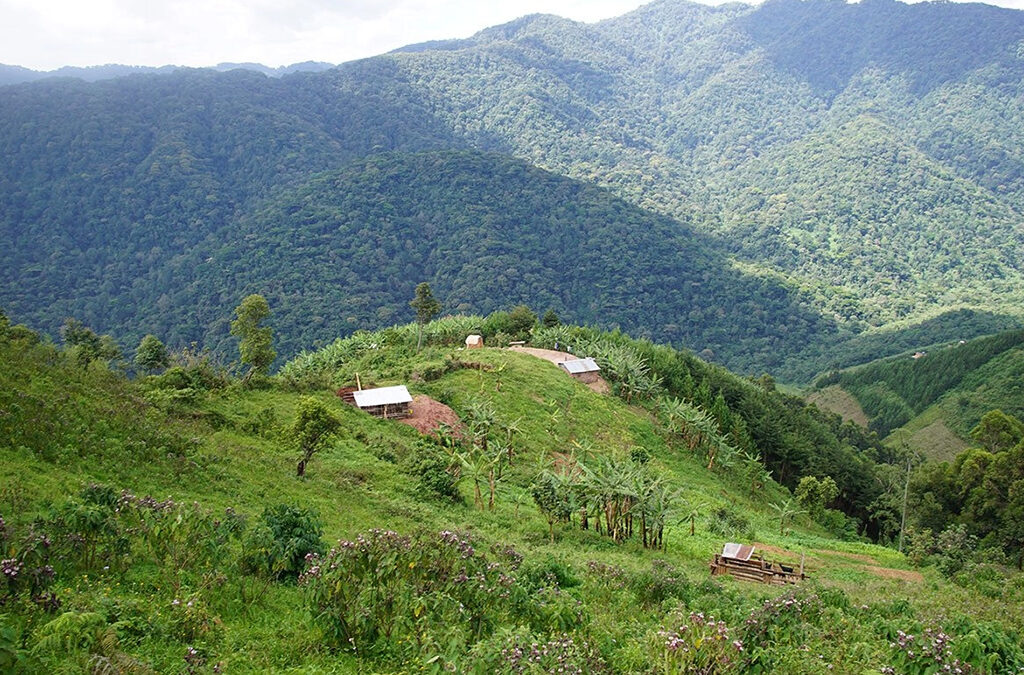
Health and safety tips for visiting Bwindi Impenetrable National Park help keep your trip safe, enjoyable, and free from sickness. Bwindi Impenetrable National Park offers great views, unique wildlife, and rare chances to see mountain gorillas. But, it’s also thick with trees, muddy trails, steep hills, and biting insects. The forest environment brings risks like malaria, cold weather, and rough paths. Following clear steps helps you stay healthy and protect wildlife. Gorilla trekking adds extra rules to prevent stress or sickness for the animals. Keeping yourself and the gorillas safe starts with being informed and prepared. These tips will help you enjoy the beauty of Bwindi while keeping safe. Use insect repellent, pack wisely, listen to guides, and respect the rules. Let’s break down the health and safety steps to follow before, during, and after your trek.
Prepare for Malaria before Traveling to Bwindi
Bwindi sits in a region where malaria spreads through mosquito bites, especially during the rainy season. Before your trip, speak with a health worker about taking antimalarial pills. Begin taking these medicines days before travel and follow the full course. Wear long-sleeved shirts and trousers in the evenings to block mosquito bites. Spray insect repellent with DEET on your skin and clothes each day, especially before sunset. Use mosquito nets treated with insecticide when sleeping at your lodge or camp. Take malaria seriously because it causes fever, chills, and body pain, which will ruin your safari.
Practice Good Hygiene Every Day
Bwindi has limited clean water sources, so clean habits help avoid stomach problems or other infections. Wash your hands with soap and clean water before meals and after using the toilet. Carry hand sanitizer and use it often, especially after touching shared surfaces. Avoid touching your face, nose, or mouth without cleaning your hands first. Bring wet wipes to clean your hands or wipe your face on the trail. Drink bottled water or water treated by boiling or purifying tablets to avoid waterborne diseases. Don’t drink from rivers, streams, or springs, no matter how clear they look.
Get Travel Insurance Before You Leave
Buy travel insurance that covers illness, accidents, and emergency evacuation services in case you get sick. Bwindi sits in a remote area, and it may take time to reach a clinic or hospital. Look for policies that include helicopter evacuation in case of serious injury on the mountain trails. Also, check if the policy covers flight delays or cancellations due to weather changes. Always carry a printed copy of your insurance and save a digital copy on your phone. Travel insurance gives you peace of mind and protects your money and health if problems arise.
Stay Updated on Local Health Risks
Ask your tour guide, local health center, or Uganda Wildlife Authority for updates on health risks in Bwindi. Diseases like Ebola, although rare, have happened in nearby areas. If alerts are issued, take extra care to follow health safety steps. Also, some vaccines may be required or recommended before entering Uganda. These include yellow fever, typhoid, hepatitis A, and tetanus. Ask your doctor about these at least one month before traveling. Staying informed helps you take the right steps to stay healthy and avoid serious trouble during your trip.
Keep a Safe Distance from Gorillas
During your trek, you will find yourself near gorillas, but always keep at least 7 meters (21 feet) away. Gorillas can catch human illnesses, including the common cold or flu, which could harm the entire group. If you sneeze or cough, turn away and cover your mouth completely. Don’t touch the gorillas, even if they approach you. Keep your camera gear and hands to yourself to avoid accidental contact. These rules protect both the animals and visitors. Respecting distance shows care for wildlife and helps keep the gorillas healthy and calm.
Follow Instructions from Your Guide
Trained guides lead every trek in Bwindi and know the park, trails, and gorilla families very well. Listen carefully when your guide speaks and always follow their instructions on the trail. If they ask you to stop, stay quiet, or take another path, do it quickly. Their main job is to protect you and the animals while helping you enjoy the trek. Guides also know what to do during sudden weather changes or if a gorilla gets too close. Ignoring your guide’s advice puts everyone at risk, including you, other tourists, and the gorillas.
Prepare for Steep and Slippery Terrain
Bwindi’s forest trails are steep, muddy, and filled with roots and loose stones. Wear hiking boots with strong grip to avoid slipping on the path. Bring a walking stick or trekking pole for balance, especially when climbing or coming down slopes. Go slowly and watch where you step to prevent injury. The weather can shift fast, turning dry trails into muddy messes in minutes. Carry a waterproof jacket and dress in layers to adjust to temperature changes. Getting ready for rough ground helps you stay safe and makes the trek less tiring.
Do Not Trek if You Feel Sick
If you feel unwell before your gorilla trek, inform your guide or lodge staff immediately. Even small symptoms like a cough or fever could spread to the gorillas. Your trek may be rescheduled or canceled if you show signs of sickness. This rule helps protect endangered gorillas from diseases that humans bring. If you hide your sickness and continue with the trek, you put the whole group at risk. Rest, take medicine if needed, and rejoin the activities when fully well again. Staying honest helps protect everyone and keeps the gorillas safe.
Keep Noise Low and Avoid Direct Eye Contact
Gorillas dislike loud noises, sudden moves, and direct eye contact, which they see as a threat. Speak in low voices and move slowly around the animals. Never shout, laugh loudly, or clap during your visit. Don’t stare into a gorilla’s eyes because they may take it as a challenge. If you need to sneeze or cough, turn away and do it gently. Move your arms slowly and avoid pointing directly at the gorillas. Keeping calm and quiet shows respect for the animals and helps them stay relaxed during your visit.
Stay Calm if a Gorilla Charges
If a gorilla makes a quick move toward you or charges, stay calm and follow your guide’s instructions. Do not scream, run, or stand up suddenly because this will make the gorilla more upset. Slowly crouch down, keep your eyes low, and stay still until the gorilla backs off. Guides are trained to handle such moments, so watch their signals. Charging is usually a warning, not an attack. Remaining calm and respectful keeps the situation under control and avoids making the gorillas more aggressive or stressed.
Avoid Littering or Damaging the Environment
Carry all trash out of the park, including water bottles, food wrappers, and tissues. Use a zip bag for waste until you find a proper bin. Never drop plastic, paper, or other waste on the trails. Don’t break tree branches, pick flowers, or touch animals or insects. Smoking, drinking alcohol, or eating near the gorillas is not allowed. These actions harm the forest and change animal behavior. Keeping the park clean helps protect plants, wildlife, and the beauty of the area for others to enjoy after you.
Don’t Use Flash When Taking Photos
When taking photos of gorillas, make sure your flash is turned off before you start shooting. Bright flashes upset gorillas and may cause them to move or react strongly. Practice using your camera or phone the night before so you’re ready during the trek. Take photos quickly and then put the camera down to watch with your eyes. Your guide will remind you about photography rules before you reach the gorillas. Good photos are possible without flash, and natural light often brings better results anyway.
Wear the Right Clothing for the Forest
Dress in long trousers, long sleeves, and strong boots to protect your body from scratches and bugs. Wear dull colors like brown, grey, or green to avoid attracting insects or startling the gorillas. Avoid bright clothes, shorts, or open shoes because they expose your skin to cuts, stings, and bites. Carry a hat and sunglasses if the sun is out, and bring a light raincoat in case of rain. A well-packed day bag should also have extra socks, sunscreen, and tissue. Dressing right keeps you safe and focused on the experience.
Pack Essential Items for the Trek
Before your trek, pack insect repellent, a flashlight or torch, tissues or wet wipes, and a water bottle. These items help with forest challenges like insects, darkness, and muddy hands or gear. Bring a small bag that fits on your back so your hands stay free for climbing or balance. Add snacks, sunscreen, and spare batteries for your camera. Pack only what you need to keep your bag light. A smart packing list keeps you ready for the unexpected and improves your comfort throughout the trek.