
Gorilla Trekking Adventure in Uganda and Rwanda from Nigeria
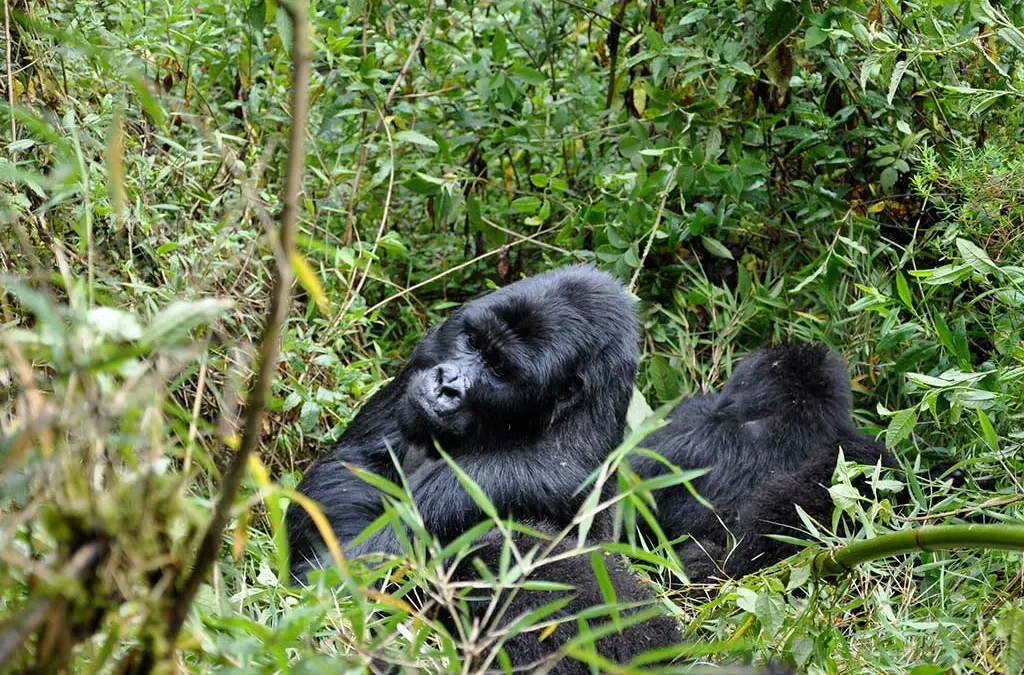
A gorilla trekking adventure offers a unique opportunity to connect with nature and witness the rare mountain gorillas in their natural habitat. While gorilla trekking is not possible within Nigeria, neighboring countries like Uganda and Rwanda provide exceptional opportunities to experience this unforgettable wildlife encounter. These two East African nations are home to thriving populations of mountain gorillas, making them top destinations for nature enthusiasts worldwide.
Planning a gorilla trekking tour from Nigeria to Uganda or Rwanda is a once-in-a-lifetime experience. Careful preparation, adherence to guidelines, and respect for conservation practices ensure not only a memorable trip but also a responsible one.
Choosing Your Gorilla Trekking Destination
When planning your gorilla trekking adventure, the first step is selecting your destination. Both Uganda and Rwanda are renowned for their mountain gorilla populations. Rwanda’s Volcanoes National Park, located in the northern part of the country, is one of the most accessible and well-known gorilla trekking destinations. The park is home to a significant number of habituated gorilla families, making it a favorite among visitors seeking a shorter trekking experience due to its relatively compact terrain.
On the other hand, Uganda offers two incredible gorilla trekking locations: Bwindi Impenetrable National Park and Mgahinga Gorilla National Park.
Located in southwestern Uganda, Bwindi Impenetrable National Park is a prime destination for gorilla trekking, attracting visitors from around the globe. The park sits near the borders of Rwanda and the Democratic Republic of the Congo, making it accessible from multiple countries. Its thick tropical rainforest, often cloaked in mist, provides an ideal habitat for mountain gorillas and numerous other species.
Gorilla trekking in Bwindi is a once-in-a-lifetime experience. The park is home to various habituated gorilla families that are accustomed to human presence, making it easier for visitors to observe them in their natural environment. Different trekking trailheads, such as Buhoma, Ruhija, Rushaga, and Nkuringo, lead to various gorilla groups, each offering a unique trekking experience.
To participate in gorilla trekking, visitors must acquire a permit, which can be arranged through the Uganda Wildlife Authority. These permits are essential for conservation efforts and help regulate the number of people visiting the gorillas daily. Guided by experienced rangers, trekkers venture into the forest for hours, navigating through dense vegetation and rugged terrain. The reward is a magical encounter with the gentle giants, where you can watch them feed, play, and interact within their family groups.
Bwindi is not just about gorillas. It is a UNESCO World Heritage Site celebrated for its remarkable biodiversity. The park is home to over 350 bird species, some of which are endemic to the Albertine Rift. Other primates, including black-and-white colobus monkeys and L’Hoest’s monkeys, also thrive here. For nature enthusiasts, the park offers rich flora, fauna, and scenic beauty that make every visit memorable.
Mgahinga Gorilla National Park, situated in the southwestern part of Uganda, the park shares its borders with Rwanda and the Democratic Republic of the Congo. It is part of the Virunga Massif, a significant conservation area spanning the three countries. Although smaller than Bwindi, Mgahinga is an exceptional place for gorilla trekking and offers a more intimate experience due to its serene and less crowded setting.
Mgahinga is home to the Nyakagezi gorilla family, the only habituated group in the park. Trekking to find this group allows visitors to explore the breathtaking volcanic terrain that defines Mgahinga. The lush bamboo forests, open grasslands, and towering volcanic peaks create an awe-inspiring backdrop for the trek. The permits for tracking the Nyakagezi family are limited, ensuring an exclusive experience.
In addition to gorilla trekking, Mgahinga is renowned for its stunning volcanic scenery. The park is dominated by three dramatic volcanoes: Mount Sabyinyo, Mount Gahinga, and Mount Muhabura. These peaks not only add to the park’s beauty but also provide thrilling hiking opportunities. Adventurous visitors can climb these volcanoes, enjoying spectacular views of the surrounding landscapes and neighboring countries.
Mgahinga also emphasizes cultural experiences. The Batwa Trail, guided by the indigenous Batwa people, allows visitors to learn about their traditional way of life. The Batwa were the original forest inhabitants and have a deep connection to the area’s ecosystems. The trail provides insights into their history, survival skills, and spiritual practices, adding depth to the gorilla trekking experience.
Both Bwindi Impenetrable National Park and Mgahinga Gorilla National Park offer unique experiences for gorilla watching tours in Uganda. Bwindi stands out for its larger gorilla population and varied trekking routes, while Mgahinga captivates visitors with its dramatic volcanic landscapes and exclusive encounters with the Nyakagezi family.
For travelers from Nigeria, reaching these parks is straightforward. Flights are available from major cities in Nigeria to Entebbe International Airport in Uganda. From there, you can connect to either Bwindi or Mgahinga by road or domestic flights, ensuring a smooth journey. With proper planning and the guidance of a reputable tour operator like Iconic Africa Safaris, visitors can look forward to an unforgettable adventure.
Gorilla Trekking Permits
Gorilla trekking is a carefully regulated activity, and acquiring a permit is a mandatory step. These permits not only control visitor numbers to minimize human impact on the gorillas but also contribute to conservation efforts.
Rwanda charges $1,500 for a gorilla trekking permit, reflecting its focus on exclusive and premium experiences. Uganda offers a more affordable option, with permits priced at $800 for foreign non-residents, $700 for foreign residents, and $500 for visitors from the rest of Africa. For East African residents, the cost is significantly lower, at UGX 300,000.
Due to high demand and limited availability, booking your permit well in advance is essential. In some cases, permits can sell out months before the intended travel dates, particularly during peak tourism seasons.
Getting to Uganda and Rwanda from Nigeria
Traveling from Nigeria to Uganda or Rwanda involves international flights. Major airports in Nigeria, such as Murtala Muhammed International Airport in Lagos and Nnamdi Azikiwe International Airport in Abuja, serve as gateways to East Africa.
For Rwanda, flights typically land at Kigali International Airport, the country’s main aviation hub. Kigali is conveniently located just a few hours from Volcanoes National Park, making it an excellent choice for travelers seeking ease of access.
In Uganda, you’ll arrive at Entebbe International Airport, located near the capital, Kampala. From Entebbe, you can arrange further transport to Bwindi Impenetrable National Park or Mgahinga Gorilla National Park, with options ranging from domestic flights to road transfers. While road travel may take longer, it offers the opportunity to enjoy Uganda’s stunning landscapes along the way.
Accommodation Options
Both Uganda and Rwanda offer a variety of accommodation options to suit different budgets and preferences. Whether you’re seeking a luxurious stay or a budget-friendly lodge, you’ll find suitable choices near the trekking areas.
In Rwanda, Volcanoes National Park is surrounded by high-end lodges, mid-range hotels, and budget guesthouses. Luxury options like Bisate Lodge provide exclusive experiences, while mid-range accommodations offer comfort and convenience for travelers. Budget lodges are also available for those seeking affordability without compromising on quality.
Uganda’s Bwindi Impenetrable National Park and Mgahinga Gorilla National Park similarly boast a range of accommodations. Lodges like Buhoma Lodge and Mahogany Springs in Bwindi cater to luxury travelers, while many mid-range options are available for families and groups. Budget travelers can opt for community-run lodges and campsites that provide both comfort and a chance to support local initiatives. Booking accommodation well in advance is recommended, especially during peak trekking seasons.