
Gorilla Safari in Uganda and Kazinga Channel Boat Cruise
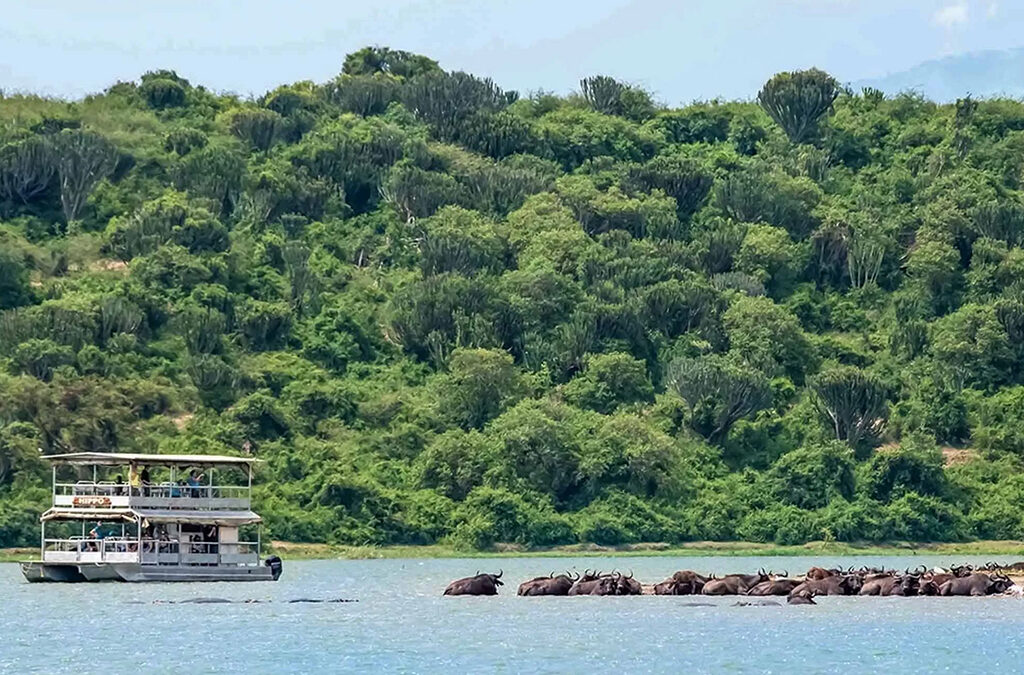
Uganda offers two incredible experiences: gorilla trekking and a boat cruise on the Kazinga Channel. Together, they create an ideal safari itinerary for nature and wildlife lovers. Begin with a scenic boat ride or choose to trek gorillas first—either option works well. Your choice depends on your personal interests and travel schedule.
Uganda holds half of the world’s remaining mountain gorilla population. These majestic creatures live in thick rainforests in the country’s southwest. Seeing them in their natural surroundings offers a powerful wildlife experience. Their presence in Uganda helps fund conservation efforts and protect their future. The money from permits directly supports local communities and forest protection.
Uganda features two national parks for gorilla trekking. These are Bwindi Impenetrable National Park and Mgahinga Gorilla National Park. Bwindi is more popular due to its larger gorilla population and wider range of lodges. The park also suits fly-in safaris, offering convenient access for travelers with limited time.
However, both parks offer similar gorilla viewing experiences. The permit costs are equal, and sightings are equally likely. Choosing a park depends more on your route and schedule than on the trekking experience itself. Bwindi and Mgahinga lie in southwestern Uganda, near Rwanda and the Democratic Republic of Congo. This location makes it easier to pair gorilla trekking with a savannah safari.
Many of Uganda’s top safari destinations lie in the southwest. Queen Elizabeth National Park is one of the closest wildlife parks to Bwindi. This layout simplifies safari planning. Travelers often visit both areas in a single trip. Whether you love forests or savannah, Uganda delivers diverse landscapes and rich wildlife in a compact area.
Gorilla Trekking Locations and Routes
Bwindi Impenetrable National Park is divided into sectors like Buhoma, Ruhija, Nkuringo, and Rushaga. From Buhoma to Queen Elizabeth, the drive takes about 4–5 hours. Starting in southern Bwindi often requires 7 hours due to the rougher terrain. A 4WD vehicle suits these roads best, especially in rainy seasons or remote zones.
A common driving route passes through Ishasha in the southern part of Queen Elizabeth National Park. Travelers then continue to Kasese, Fort Portal, and Kibale National Park. Alternatively, drive from Ishasha to northern Bwindi in just 3 hours. The shorter route allows more time to rest or explore along the way.
Each road trip includes scenic views and wildlife sightings. You might spot tree-climbing lions in Ishasha or elephants near Kasese. Though the drive may feel long, the journey offers many photo opportunities and cultural stops.
Boat Safari on the Kazinga Channel
After trekking gorillas, take time to explore Queen Elizabeth National Park’s Kazinga Channel. This natural waterway links Lake Edward and Lake George. The boat safari offers front-row views of hippos, elephants, and aquatic birds.
The cruise provides a unique chance to view wildlife without disturbing their routines. You float gently near hippos while watching their thick-skinned bodies rise and sink. Elephants come down to drink, using their trunks to splash water or cool off.
Waterbirds thrive here too. Look out for kingfishers, pelicans, and African fish eagles. These birds hunt and fly close to the water, creating stunning scenes for photographers.
Watch the banks closely. You might spot waterbuck, buffalo, or Uganda kob grazing near the edge. If lucky, predators like lions and leopards may appear. They often rest along the shores during hot afternoons.
Though not guaranteed, predator sightings make the cruise even more thrilling. The stillness of the water and the slow pace help visitors feel closer to nature. Each moment offers new surprises and wildlife encounters.
Planning Your Kazinga Channel Boat Cruise
Planning improves the quality of your Kazinga Channel boat trip. Choose the right time and cruise type for the best results.
Best Time to Visit
Dry months, from June to August and December to February, offer better visibility and animal sightings. Wildlife gathers around water during these months, increasing your chances of spotting them up close. Afternoon hours from 1:00 pm to 5:00 pm work best. Many animals approach the water during these hot hours.
Types of Cruises
You’ll choose between two types of cruises. The Uganda Wildlife Authority (UWA) offers affordable options at $30 per person. UWA cruises depart at 9:00 am, 11:00 am, 1:00 pm, 3:00 pm, and 5:00 pm.
Mweya Safari Lodge offers a more luxurious experience. Their cruises cost around $40 per person. They include drinks and snacks, with departure times at 11:00 am, 2:00 pm, and 4:15 pm. Mweya cruises sometimes allow private bookings for small groups or couples.
Choose based on your budget and comfort preferences. Both options provide great views and similar wildlife encounters.
What to Bring and Wear
Wear neutral-colored clothes to avoid disturbing animals. Light, breathable fabrics work best in the heat. Bring a wide-brimmed hat, sunglasses, and sunscreen for protection. Insect repellent helps prevent bug bites during the cruise.
Carry a good camera with a zoom lens. Wildlife stays near the banks, but a zoom captures close details. Patience rewards photographers with great images of birds and mammals in action.
Avoid flash photography to protect the animals. Bring binoculars for better viewing, especially for birds or distant animals. A field guide helps identify the many species you might spot.