
Fishing Trips on Lake Mulehe in Kisoro District
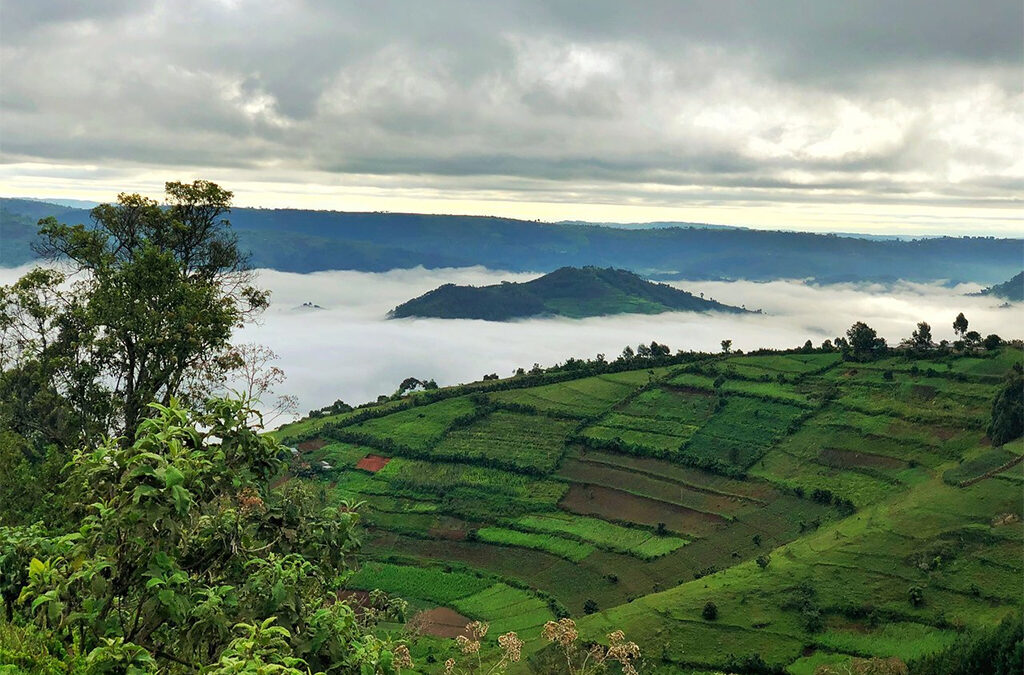
Lake Mulehe, located in Uganda’s scenic Kisoro District, offers peaceful waters surrounded by lush green hills. It sits near the famous Bwindi and Mgahinga Gorilla Parks, making it a great addition to any adventure. One of the best ways to enjoy this lake is by joining a local fishing trip. Fishing on Lake Mulehe is more than just catching fish it’s about connecting with the local people and their traditions. You’ll explore quiet waters using traditional boats and learn time-tested fishing techniques. The lake holds catfish and Nile tilapia, both tasty and common in local dishes. Along with fishing, the lake offers canoe rides, swimming, and peaceful views that refresh your spirit.
Join Local Fishermen and Learn Traditional Skills
First, you will meet local fishermen who welcome visitors into their daily routines on the lake. They fish almost every morning and evening, often working together as a team. While with them, you’ll observe how they cast nets or use simple lines with hooks. These traditional fishing skills have passed down through generations.
Furthermore, the fishermen are usually happy to teach visitors how they fish. You may try casting a net or pulling up a hand line from the water. Their stories about the lake and fish help you understand their connection to this beautiful place. It’s not just about catching fish it’s about sharing life.
Explore the Lake Using Traditional Local Boats
Next, you’ll explore the calm waters using traditional wooden boats, often dugout canoes. These boats move quietly through the lake, giving you a slow and peaceful journey. Some boats are paddled by the fishermen, while others allow you to row alongside them.
While on the boat, you’ll pass through various fishing spots where fish are known to gather. Often, the locals know hidden corners and deeper sections where catfish and tilapia swim. These areas are away from loud noises, making them perfect for a quiet moment on the water.
In addition, the lake’s surrounding hills provide beautiful views while you’re out fishing. The reflection of clouds and birds flying overhead create an ideal setting for anyone who loves nature.
Bring Your Own Fishing Gear for Better Results
While local fishermen usually provide some gear, it’s best to bring your own fishing tools. You’ll need a fishing line, bait, hooks, and maybe a rod. Locally used tools are often handmade and simple, but they still work well in the hands of experienced fishermen.
Bringing your gear allows you to fish comfortably and adjust your method as needed. However, don’t worry if you’re new to fishing. The locals will guide you and help set up your gear.
It’s important to also carry sunscreen, a hat, and water to stay safe during your trip. Fishing trips may last several hours, so preparation helps you enjoy the full experience.
Target Catfish and Nile Tilapia in the Lake
Lake Mulehe is home to several fish species, but catfish and Nile tilapia are the most common. These fish are popular in local meals and often served grilled or fried with traditional sides.
Catfish are large and strong, making them exciting to catch. They hide near the lake’s bottom, so you may need to fish in deeper parts. On the other hand, Nile tilapia are lighter and usually swim near plants and shallow areas.
After fishing, many visitors enjoy preparing the fresh catch with local help. This gives you a chance to learn local cooking styles while enjoying the reward of your effort.
Enjoy Canoeing and Swimming in the Calm Waters
In addition to fishing, Lake Mulehe offers other fun activities like canoeing and swimming. After hours of fishing, a canoe ride gives you another way to explore the lake. Canoeing is calm and quiet, perfect for watching birds and nearby wildlife.
If you enjoy swimming, parts of the lake are safe and clean for a quick dip. Local guides usually point out the best places for swimming, away from fishing zones.
Canoeing in the early morning or late afternoon is especially relaxing. The cool breeze and peaceful views help you unwind and enjoy nature.
Stay at Lake Mulehe Safari Lodge for Comfort and Convenience
Lake Mulehe Safari Lodge provides a comfortable place to stay close to the lake. It’s located on a hill overlooking the water, giving beautiful sunrise and sunset views. The lodge offers rooms, meals, and easy access to fishing and boat trips.
You may arrange a fishing trip directly from the lodge with the help of their guides. They also organize other activities like nature walks, birdwatching, and village visits.
At the lodge, you’ll enjoy local food, warm hospitality, and peaceful surroundings. It’s an ideal spot for relaxing after your fishing adventure or planning visits to nearby parks.
Getting to Lake Mulehe by Road or Air
Reaching Lake Mulehe is simple with two main travel options. One option is by road from Kampala, passing through Mbarara, Kabale, and finally Kisoro town. This journey takes about 9 to 10 hours, depending on traffic and road conditions.
Another option is flying to Kisoro Airstrip, which cuts travel time. Flights from Entebbe to Kisoro take around one hour. From the airstrip, it’s a short drive to the lake.
Both routes offer scenic views of Uganda’s hills, forests, and villages. Whether you drive or fly, the journey to Lake Mulehe adds excitement to your fishing trip.
Best Time to Visit Lake Mulehe for Fishing and Adventure
Plan your fishing trip during the dry seasons for better weather and travel conditions. The best months are June to September and December to February. During these times, the roads remain dry, and the skies stay clear.
The dry season also helps with other activities, like gorilla trekking and hiking. You’ll enjoy better views, fewer insects, and more time outdoors without rain interruptions.
Although fishing is possible year-round, the dry season offers a more pleasant experience. Sunrises and sunsets reflect beautifully on the lake, making your trip even more enjoyable.
Connect Fishing with Gorilla Trekking and Cultural Tours
Since Lake Mulehe lies near Mgahinga and Bwindi parks, it works well with gorilla trekking tours. You may go trekking in the morning and fish in the evening, creating a balanced travel plan.
Local communities near the lake offer cultural visits and village walks. These tours show you traditional music, crafts, and daily life in Kisoro. Adding a cultural stop after fishing adds depth to your trip.
Combining fishing with trekking and culture gives you a rich and varied travel experience in the region.