
Essential Tips During Gorilla Trekking in Uganda and Rwanda
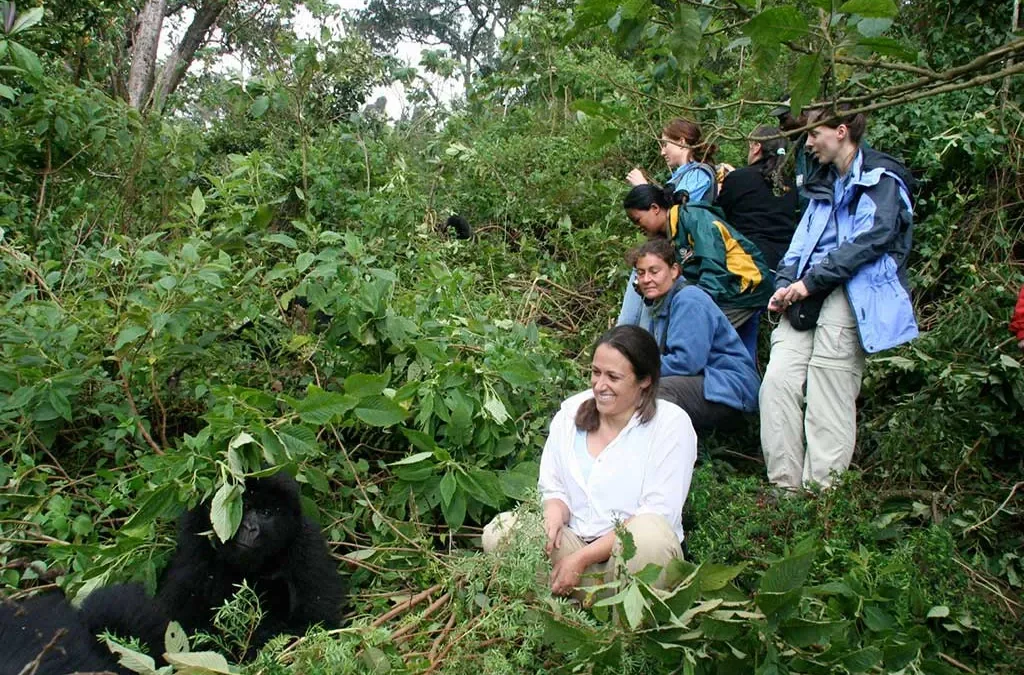
Gorilla trekking in Uganda and Rwanda is a once-in-a-lifetime adventure that allows you to come face to face with one of the world’s most magnificent and endangered species, the mountain gorilla. These incredible creatures can only be found in three African countries: Uganda, Rwanda, and the Democratic Republic of Congo. With just over a thousand individuals remaining in the wild, gorilla trekking permits are limited, making it a highly sought-after and exclusive experience. To ensure that your gorilla trekking adventure is a memorable and hassle-free one, it’s crucial to avoid common mistakes that can potentially ruin your safari. In this comprehensive guide, we will delve into the essential tips and pitfalls to steer clear of when embarking on a gorilla trekking expedition in Uganda and Rwanda.
Advance Gorilla Permits Booking
One of the most critical aspects of your Gorilla trekking in Uganda and Rwanda adventure is obtaining the necessary permits. Gorilla permits are not something you can simply purchase upon arrival at the park gate. In the past, this may have been possible, but recent policies from the Uganda Wildlife Authority dictate that only licensed tour operators can acquire gorilla trekking permits for foreign non-residents.
Gorilla permits are not only limited but also non-transferable. Each habituated gorilla family is allocated a total of 8 permits, and your arrival on the wrong day could exceed this limit. To avoid the disappointment of last-minute bookings, it is strongly recommended to secure your permits at least six months in advance. Additionally, remember that gorilla permits have your name and dates clearly indicated, and there are no refunds for permit fees if you miss your allocated trekking date.
In Uganda, only 168 gorilla permits are available, while Rwanda offers 96 permits, and the Democratic Republic of Congo provides around 64 permits. Considering the high demand for these permits, booking well in advance is the only way to guarantee your spot.
Getting Familiar with Gorillas and Following Rules and Regulations
When embarking on a Gorilla trekking in Uganda and Rwanda expedition, it’s crucial to understand and abide by the guidelines set in place to protect both you and the gorillas. Keep in mind that mountain gorillas are wild animals, even though they may exhibit gentle behavior. It’s a common mistake for some trekkers to mistake this gentleness for domestication.
Gorillas are highly endangered and protected by governments and conservation organizations. Millions of people depend on their existence, especially the local communities living around the parks. Strict rules are in place for your safety and the well-being of the gorillas. You must maintain a minimum distance of 7 meters from the mountain gorillas, and if they approach you, it is imperative to stay still.
Never make the mistake of thinking you can touch or get too close to the gorillas, especially when they have newborns. While many visitors hope to see gorillas with babies, these families require even more caution and respect.
Remember to keep your voice low, avoid eating or littering near the gorillas, and refrain from using flash photography. It’s essential to be fully present during this extraordinary experience, as no camera can truly capture the feeling of standing a few feet from these magnificent creatures.
Packing and Gear Essentials
Don’t underestimate the importance of packing the right gear for your gorilla trekking adventure. The climate in these regions can vary, so it’s essential to be prepared for different weather conditions. While you may need warm clothing for the cold nights, trekking attire should be light and comfortable.
Here’s a checklist of essential items:
- Light pair of trousers
- Long-sleeved shirt
- Long pair of socks
- Lightweight hiking shoes
- Rain gear, including a poncho or light rain jacket
- Waterproof backpack
- Insect repellent
Neglecting to pack these items or ignoring their significance can lead to discomfort during your trek. Proper gear will ensure you can fully enjoy the experience without any hindrances.
Being Healthy and Fit for Trekking
Gorilla trekking is not a leisurely stroll; it’s a physically demanding activity that involves hiking through dense forests and rugged terrain. You must be reasonably fit and capable of walking for a minimum of three hours nonstop. If you’re unsure about your physical abilities, it’s advisable to hire a porter.
Porters are local individuals who can assist you by carrying your backpack and equipment for a nominal fee, usually around $20. They can be a tremendous help, especially during challenging sections of the trek. Furthermore, hiring a porter directly benefits the local communities living around the gorilla parks, providing them with sustainable income.
Avoid the mistake of underestimating the physical demands of gorilla trekking, and be prepared to engage a porter if needed. This will make your experience more comfortable and enjoyable.
Choosing the Right Destination and Park
Understanding which destination and park align with your travel preferences is crucial. Gorillas are divided into two species: lowland gorillas and mountain gorillas, based on their habitat. Mountain gorillas are the focus of gorilla trekking and can be found in Uganda, Rwanda, and the Democratic Republic of Congo.
Here’s a brief overview of the destinations:
- Uganda: Offers a more budget-friendly gorilla safari with permits priced at $800 per person for Foreign Non-Residents,$700 for Foreign Residents and 300,000UGX for East Africa Residents. There are various accommodation options available outside the gorilla parks to suit all budgets.
- Rwanda: Provides a high-end gorilla safari experience with permits costing $1500 per person. Accommodation in Rwanda is also relatively luxurious.
- Democratic Republic of Congo (DRC): Is on the more budget-friendly end, but accommodation options are limited.
Avoid the common mistake of selecting the wrong destination for your gorilla safari. Research the gorilla species, their habitat, and how to reach each destination to ensure you make an informed choice.
Not Forgetting Your Passport
Your passport is a vital document during your gorilla trekking tour. It is required for registration at the Park Headquarters before treks commence. Park Rangers will cross-check your gorilla permits to ensure that you are the rightful holder. Forgetting your passport can result in being turned away from accessing the park, jeopardizing your long-awaited dream of encountering gorillas.
Make sure to pack your passport alongside your gorilla permit, and ensure they are readily accessible throughout your journey.
Timing Your Gorilla Trekking Adventure
When planning your gorilla trekking adventure, consider the timing carefully. The region experiences two distinct seasons based on weather patterns: wet and dry.
- Dry Season (June to September and December to February): This is the high season when most travelers plan their gorilla safaris. The trails and roads are dry, and there’s minimal chance of rain. However, due to high demand, you must start planning well in advance to secure permits and accommodation.
- Wet Season (October, November, and March to May): This season offers the advantage of greater permit availability and fewer tourists. Service providers often offer discounts, and gorilla safaris promise a more private experience. However, you’ll need to contend with rain during outdoor activities. Utilizing a 4×4 safari vehicle is essential for navigating muddy roads and challenging forest conditions.
Avoid the mistake of planning your gorilla safari during the wet season if you’re not comfortable with hiking in heavy rains. Plan your trip during the dry season if you prefer more predictable weather conditions.
Reserving the Right Accommodation
The location of your accommodation can significantly impact your gorilla trekking experience. Ideally, you should choose lodging that is close to the starting point of your trek. In Uganda, there are five locations where gorilla trekking begins, each with various accommodation options nearby. Ensure that your chosen accommodation aligns with the location specified on your tracking permit to minimize travel time on the trekking day.
Here are the main entry points for gorilla trekking in Uganda:
- Buhoma
- Ruhija
- Nkuringo
- Rushaga
- Mgahinga National Park (with limited lodges; many options in Kisoro town)
Additionally, in Rwanda, Volcanoes National Park is just a three-hour drive from Kigali International Airport, making it convenient for travelers.
Avoid the mistake of booking accommodation far from your trek’s starting point, as it can result in delays and added stress on the trekking day.
Choosing the Right Airport
The choice of airport for your gorilla trekking adventure can significantly impact your overall experience. Selecting the wrong airport can lead to extended travel times and logistical challenges. Understanding the easiest and fastest routes to the gorilla parks is essential.
For instance, if you plan to see mountain gorillas in Uganda, most travelers enter the country through Entebbe International Airport. However, keep in mind that this airport is approximately a nine-hour drive from Bwindi and Mgahinga National Parks. You can opt to drive or take a domestic flight to either Kihihi or Kisoro airstrips, both of which are about a two-hour drive from the parks.
Alternatively, you can fly into Kigali International Airport in Rwanda, which is a four-hour drive to Bwindi or Mgahinga National Park. However, be prepared to navigate immigration processes when crossing the border between Rwanda and Uganda.
Planning a gorilla safari in the Democratic Republic of Congo can be more challenging in terms of transportation. Virunga National Park has an airport with limited flights, but the best option is to enter through Uganda or Rwanda and cross the border into Virunga National Park.
Avoid the mistake of flying into the wrong airport, and plan your gorilla safari with the aim of minimizing travel time. This will ensure that you have the energy and enthusiasm needed to fully enjoy your encounter with Africa’s magnificent apes.
Adding Gorilla Trekking Last to Your Itinerary
If you’re visiting other African destinations, such as Kenya or Tanzania, consider planning your safari to conclude with the gorilla trekking activity. This approach helps you avoid burnout and allows for a more relaxed experience. Some travelers prefer to begin with the gorilla trek and then unwind in renowned safari parks before heading home. Regardless of your choice, refrain from scheduling your gorilla trek in the middle of your journey to ensure that you have the energy and excitement necessary for this extraordinary adventure.