
Combining a Uganda Safari with Trips to Rwanda or Kenya
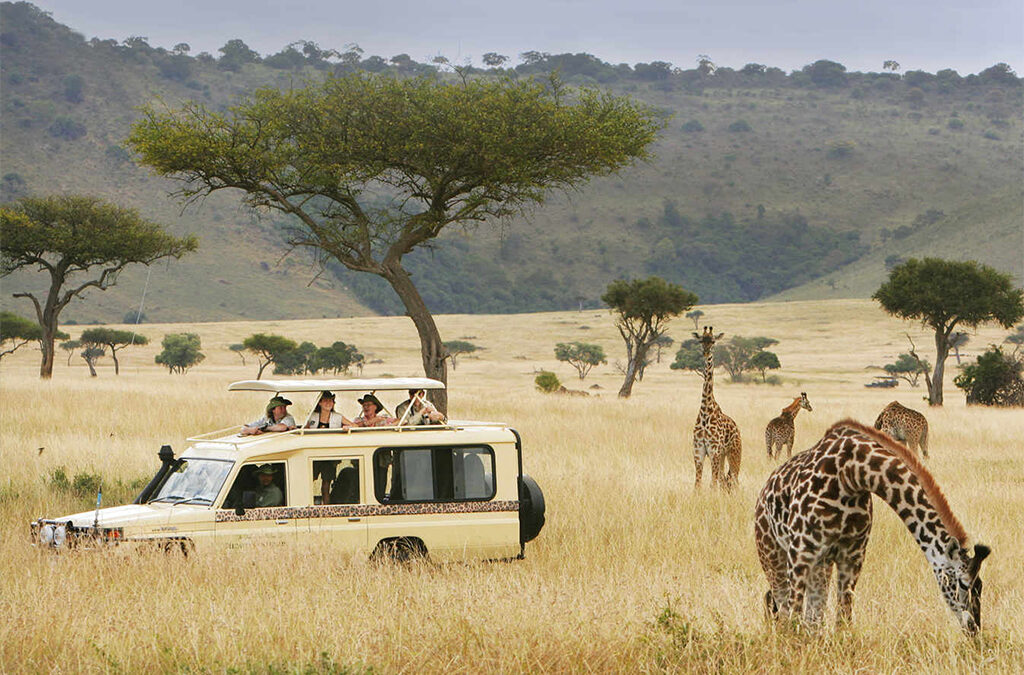
Combining a Uganda safari with trips to Rwanda or Kenya creates a diverse and enriching travel experience across East Africa. Uganda offers world-class gorilla trekking opportunities and showcases incredibly diverse wildlife in its ancient rainforests and national parks. Rwanda provides easier access to mountain gorillas through shorter travel times from Kigali to Volcanoes National Park. Kenya delivers classic safari experiences with vast savannas, the famous Masai Mara, and spectacular wildlife migrations. These three destinations complement each other perfectly, allowing travelers to explore different ecosystems, wildlife species, and cultural experiences. Each country brings unique strengths to your African adventure, from intimate primate encounters to expansive plains teeming with big game animals.
Uganda and Rwanda: The Ultimate Primate Adventure
Gorilla Trekking Excellence
Both countries offer exceptional opportunities to observe mountain gorillas in their natural habitat through carefully managed trekking programs. Uganda provides more budget-friendly gorilla permits and offers access to a wider variety of gorilla families for trekking experiences. Rwanda offers shorter travel times from Kigali airport to Volcanoes National Park, making gorilla encounters more accessible for time-conscious travelers. The experience in both countries involves hiking through misty mountain forests to observe these magnificent creatures up close. Rangers guide small groups through challenging terrain, creating intimate wildlife encounters that leave lasting memories for all participants.
Diverse Forest Ecosystems
The combination allows visitors to experience two distinct but complementary forest environments that support different wildlife species and plant communities. Rwanda’s Volcanoes National Park features bamboo forests and volcanic landscapes that create unique habitats for various primate species. Uganda’s Bwindi Impenetrable Forest and other parks showcase ancient rainforest ecosystems with incredible biodiversity and endemic species. These contrasting environments provide opportunities to observe different bird species, plants, and smaller wildlife that inhabit each ecosystem. The variety enhances the overall travel experience by showcasing the region’s remarkable ecological diversity.
Cultural Immersion Opportunities
Both nations offer rich cultural experiences that allow travelers to connect with local communities and learn about traditional ways of life. Visitors encounter warm, welcoming people who share their customs, traditions, and stories about living alongside wildlife in these remarkable regions. Cultural visits include traditional dance performances, craft demonstrations, and opportunities to support local community development projects through tourism. These interactions provide deeper understanding of how conservation efforts benefit both wildlife and local communities in meaningful ways.
Convenient Cross-Border Travel
The proximity between these countries makes multi-country itineraries practical and efficient for travelers with limited time but broad interests. A typical journey starts in Kigali and includes a scenic four to five-hour drive to Bwindi, minimizing travel time between destinations. This arrangement allows visitors to experience both countries without spending excessive time on transportation or dealing with complicated logistics. The route passes through beautiful countryside, providing additional opportunities to observe rural life and stunning landscapes along the way.
Uganda and Kenya: Contrasting Landscapes and Wildlife
Dramatic Landscape Changes
This combination showcases the incredible diversity of East African landscapes, from lush green forests to vast open plains. Uganda’s mountainous terrain, crater lakes, and dense forests create a completely different environment from Kenya’s famous savannas and grasslands. Kenya’s Masai Mara and other parks feature the classic African landscape that many travelers picture when planning safari adventures. The contrast between these environments provides varied photographic opportunities and diverse wildlife viewing experiences that appeal to different interests and preferences.
Classic Safari Experiences
Kenya delivers the quintessential African safari experience with abundant big game viewing opportunities in world-renowned national parks and reserves. The Masai Mara offers excellent chances to observe lions, elephants, leopards, rhinos, and countless other species in their natural habitat. Seasonal wildlife migrations, particularly the Great Migration, provide spectacular viewing opportunities during specific times of the year when millions of animals move across the plains. These experiences complement Uganda’s primate focus by adding traditional game drives and big game encounters to the overall adventure.
Wildlife Variety and Specialization
The combination allows travelers to experience both specialized primate encounters and diverse big game viewing in a single comprehensive trip. Uganda’s focus on gorillas, chimpanzees, and other primates provides intimate wildlife experiences that differ significantly from traditional safari activities. Kenya’s parks support large populations of elephants, giraffes, zebras, and numerous antelope species that create impressive wildlife viewing opportunities. This variety ensures that travelers experience the full spectrum of African wildlife, from gentle giants to powerful predators in different habitats.
Cultural Diversity
Both countries offer unique cultural encounters that showcase different traditions, lifestyles, and relationships with wildlife and the natural environment. Kenya’s Maasai people provide insights into traditional pastoralist cultures and their historical connection to wildlife and conservation efforts. Uganda’s diverse ethnic groups share different perspectives on living alongside gorillas and other wildlife in forest environments. These cultural experiences add depth and meaning to wildlife encounters by providing context about human-wildlife relationships in different settings.
Planning Your Multi-Country Adventure
Permit Requirements and Booking
Gorilla permits in both Uganda and Rwanda require advance booking due to limited daily availability and high demand from international visitors. These permits cost $800 in Uganda and $1500 in Rwanda and sell out quickly during peak travel seasons, making early planning essential. Booking permits six months or more in advance through Iconic Africa Safaris or Uganda Wildlife Authority in Uganda and Rwanda Development Board in Rwanda ,ensures availability and allows for better trip planning and coordination with other activities. Travel agents specializing in East African safaris help coordinate permits, accommodations, and transportation for multi-country itineraries.
Accommodation and Travel Style Considerations
Travelers choose from various accommodation options ranging from luxury lodges to budget-friendly guesthouses, depending on preferences and budget constraints. Luxury options include exclusive safari lodges with premium amenities, gourmet dining, and personalized service throughout the stay. Mid-range accommodations provide comfortable facilities with good service at more affordable rates for budget-conscious travelers seeking quality experiences. Budget options include basic but clean accommodations that allow travelers to allocate more resources to activities and permits rather than lodging.
Seasonal Timing and Weather Patterns
The best times for gorilla trekking occur during drier months from June through August and December through February when trails are less muddy. Kenya’s wildlife viewing peaks during migration seasons and dry periods when animals concentrate around water sources for easier observation. Weather patterns vary between countries, so timing affects both wildlife viewing opportunities and overall comfort during outdoor activities and long travel days. Planning around seasonal patterns ensures optimal conditions for all planned activities while minimizing weather-related disruptions to the itinerary.