
Bird Watching in Rwanda – Top Species to See
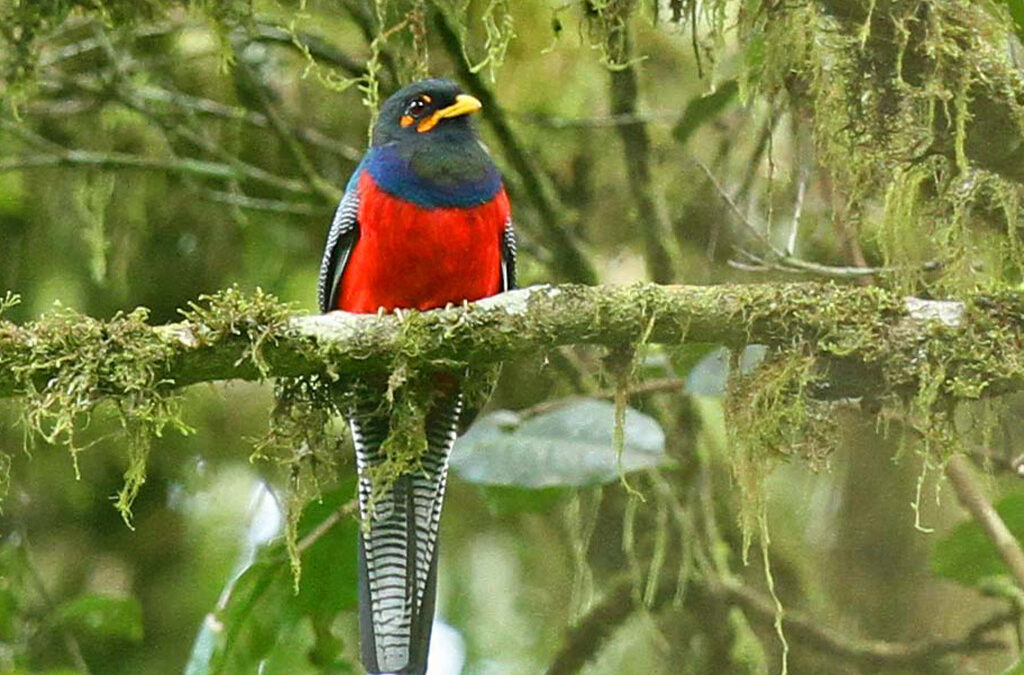
During Bird Watching in Rwanda, Birders can spot unique species, many of which are endemic to the Albertine Rift. The country’s national parks provide excellent opportunities to observe these birds in their natural environment. With expert guides and well-maintained trails, visitors can enjoy bird watching in different parts of Rwanda. The best time to visit depends on the location and bird activity, ensuring an enriching experience for all nature lovers.
Top Bird Species to See in Rwanda
The Rwenzori turaco thrives in the Albertine Rift montane forests, feeding mainly on fruit and leaves. Its vibrant plumage and distinct call make it easy to recognize in the treetops. The Rwenzori batis, another species from the same region, lives at altitudes between 1,340 and 3,300 meters. This small, striking bird prefers dense forest cover.
The red-collared babbler, also called the red-collared mountain-babbler, inhabits subtropical or tropical montane forests in Rwanda, Burundi, Uganda, and the Democratic Republic of the Congo. Habitat loss threatens its population, making it a rare sight. The white-collared oliveback, a type of estrildid finch, has a wide range but remains uncommon in certain areas.
The papyrus gonolek depends on papyrus swamps for survival and lives in Rwanda, Uganda, Kenya, Tanzania, Burundi, and the Democratic Republic of the Congo. The regal sunbird, another Albertine Rift species, dazzles with its bright plumage and thrives in high-altitude forests. The Ruaha chat, found in Rwanda, Burundi, western Tanzania, and northern Zambia, prefers dry savannahs and high-altitude grasslands.
Shelley’s crimsonwing, a vulnerable estrildid finch, faces threats due to deforestation. With a population between 2,500 and 9,999 individuals, conservation efforts remain crucial. The dusky crimsonwing, another estrildid finch, occupies the Albertine Rift forests. The red-throated alethe, a species in the Muscicapidae family, also resides in the same ecosystem.
The handsome spurfowl, a large terrestrial bird, stands out with its reddish-brown plumage, grey head, and red bill. Other remarkable birds include the Congo bay owl, Grauer’s warbler, Handsome francolin, Kivu ground thrush, Kungwe apalis, Neumann’s warbler, and the purple-breasted sunbird.
Best Destinations for Bird Watching in Rwanda
Nyungwe Forest National Park
Nyungwe Forest National Park contains 322 bird species, including 29 that are exclusive to this forest. Visitors often spot the red-collared babbler, which remains one of the park’s highlights. Other notable species include the Rwenzori turaco, Rwenzori nightjar, Handsome francolin, and Grauer’s warbler. Various sunbird species also thrive in the park’s montane forest.
Expert guides help visitors locate rare birds such as the Kungwe apalis, Kivu ground thrush, and Willard’s sooty boubou. Elusive species like the Congo bay owl, Albertine owlet, Shelley’s crimsonwing, and Rockefeller’s sunbird sometimes appear but remain difficult to find. Future night walks in Nyungwe will offer opportunities to observe nocturnal species in their natural environment.
Volcanoes National Park
Volcanoes National Park, famous for its mountain gorillas, also hosts around 200 bird species. Among them, 17 belong to the Albertine Rift Endemics group. Birdwatchers often find species similar to those in Nyungwe, but the scarlet-tufted sunbird makes this park unique. The best chance to see this bird comes from hiking to the top of Mount Bisoke.
Surrounding lakes near the park create additional bird-watching opportunities. The Buhanga Eco-Park, located nearby, attracts migrating African Pittas during specific seasons. Exploring these areas increases the chances of seeing a diverse range of bird species in different habitats.
Akagera National Park
Akagera National Park combines rolling hills, wetlands, lakes, and woodlands, providing a diverse bird habitat. With 490 recorded bird species, this park ranks among Rwanda’s top bird-watching destinations. The compact layout ensures easy access to different bird-rich zones, allowing visitors to compile impressive bird lists in a short time.
The red-faced barbet, a rare find in Africa, attracts many birders to Akagera. It commonly appears near Akagera Game Lodge and Muyumbu Campsite. Other notable birds include Carruthers’s cisticola, Northern brown-throated weaver, Papyrus gonolek, White-winged swamp warbler, White-collared oliveback, and the striking grey-crowned crane. The shoebill, a large and iconic bird, also appears regularly in the park.
Boat trips on Lake Ihema enhance bird-watching experiences, providing excellent views of waterbirds. The African finfoot, often seen from the Ruzizi Tented Lodge deck, remains a sought-after species. Night birding in Akagera reveals species such as the Verreaux’s eagle owl and several nightjar varieties.
Gishwati-Mukura National Park
Gishwati-Mukura National Park, Rwanda’s newest protected area, supports bird conservation efforts with 232 species recorded in Gishwati and 163 in Mukura. The park shelters Albertine Rift Endemics and other forest specialists, making it a promising bird-watching destination. As conservation initiatives continue, more opportunities to observe rare birds will emerge in this rehabilitated landscape.
Shores of Lake Kivu
Bird watchers visiting Lake Kivu enjoy a relaxing atmosphere with rewarding sightings. White-breasted cormorants thrive along the shore, while Pied kingfishers and Ospreys display impressive fishing skills. The surrounding vegetation shelters land-based birds, adding variety to bird-watching excursions.
Hotel gardens in Karongi, Rubavu, and Rusizi provide excellent spots for observing birds such as the double-tooth barbet, yellow-bellied waxbill, familiar chat, brown-throated wattle-eye, and spot-flanked barbet. The Kinunu area offers additional chances to see common bird species in scenic settings.
Best Time for Bird Watching in Rwanda
Bird watching in Rwanda remains enjoyable throughout the year, with different seasons offering unique experiences. From January to June, birds become more vocal, making identification easier. During this period, Nyungwe National Park provides the best bird-watching conditions. However, April presents challenges due to heavy rainfall.
The dry season, lasting from June to September, simplifies hiking and gorilla trekking while maintaining excellent birding conditions. This period allows visitors to explore various habitats without weather-related difficulties. Regardless of the season, Rwanda’s rich birdlife ensures memorable bird-watching opportunities in diverse landscapes.