
Best Time for Rwanda Gorilla and Masai Mara Safari
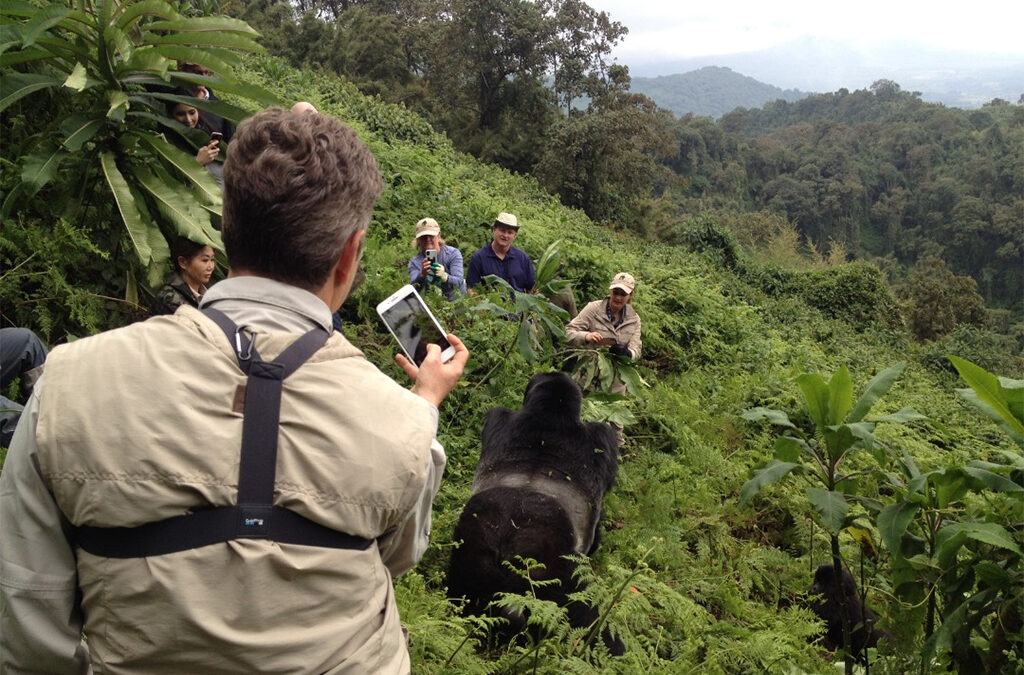
Rwanda Gorilla and Masai Mara Safari gives you close-up views of mountain gorillas and dramatic scenes on the African savannah. However, choosing the right months helps you enjoy good weather, clear views and smooth travel between destinations. The dry seasons remain the best time for both gorilla trekking and game viewing. In this guide, you will learn when to travel, why the dry season is ideal, and what to expect during your trip. Let’s explore how and when to enjoy these two iconic African experiences together.
Best Time for Gorilla Trekking in Rwanda
The ideal time for gorilla trekking in Rwanda falls between June and September. Another good window is December to February. These dry months create comfortable trekking conditions. Trails stay less muddy, and visibility greatly improves. With less rainfall, the chances of slippery paths and dense fog reduce. Trekkers get clearer views of the gorillas in their natural habitat.
During the dry season, vegetation becomes thinner in Volcanoes National Park. This makes it easier to spot the mountain gorillas. Rangers also find it simpler to track the gorilla families. While these months bring fewer weather challenges, the region’s climate remains unpredictable. Even in dry months, rain may fall at any time. Visitors should prepare for changing weather, especially at high altitudes.
Mountain gorillas live in dense rainforests and mountainous areas. So, waterproof jackets, sturdy boots, and layers remain essential. Despite the effort, the reward of seeing these gentle primates makes every step worth it.
Best Time for Safari in Masai Mara
 For a wildlife safari in Masai Mara, June to October offers the best experience. These months fall within Kenya’s long dry season. During this time, animals gather around rivers and waterholes. This improves your chances of seeing predators and prey in one area.
The dry months also mark the Great Wildebeest Migration. From July to October, herds of wildebeest cross from the Serengeti into the Masai Mara. This migration draws lions, leopards, cheetahs, and hyenas. Wildlife activity increases, and the chances of dramatic sightings grow.
The dry season keeps the grass short and paths easier to navigate. Game drives move smoothly, and guides locate animals more quickly. Skies stay mostly clear, and daylight lasts longer. These factors improve photography and travel comfort.
However, dry months also bring more tourists to the park. Lodges, camps, and safari vehicles fill up quickly. Prices go higher, and availability becomes limited. Booking early helps secure your preferred itinerary.
Benefits of Combining the Two Experiences
Combining Rwanda Gorilla and Masai Mara safari blends two wildlife highlights. First, you explore the misty forests of Volcanoes National Park. Then, you move to the vast plains of Kenya for classic African game drives or you can do vice versa.
This combination allows you to view both primates and big game animals within one trip. You gain insight into the behaviors of gorillas, elephants, lions, giraffes, and zebras. The contrast between forest and savannah adds variety to your adventure.
Moreover, both destinations offer excellent conservation stories. Rwanda focuses on gorilla protection and community tourism. Kenya works to preserve large ecosystems and wildlife corridors. This trip brings you closer to nature and also supports local communities.
For many travelers, this combined journey offers a balance of challenge and ease. Gorilla trekking demands physical effort, while the Masai Mara safari provides relaxation in open landscapes. Together, they offer a full East African safari experience.
Important Travel Considerations
Dry seasons offer the best chance for a smooth and enjoyable trip. Still, planning ahead remains essential. Gorilla permits are limited to a small number each day. During peak months, they sell out months in advance. Booking early secures your place and helps structure your full itinerary.
Consider your travel route when combining Rwanda and Kenya. Direct flights from Kigali to Nairobi operate regularly. These flights take around two hours. From Nairobi, you reach the Masai Mara by road or domestic flight.
Packing correctly is also key to comfort. For gorilla trekking, bring hiking gear, insect repellent, and layered clothing. For Masai Mara, pack lightweight clothes, a hat, sunscreen, and binoculars. A good camera enhances your memories from both regions.
Also, check visa requirements for Rwanda and Kenya. Some travelers may need an East Africa Tourist Visa. This visa allows movement between Rwanda, Kenya and Uganda within one trip. Always check health requirements as well such as yellow fever vaccination.
Choosing Lodges and Camps
Rwanda offers a range of lodges near Volcanoes National Park. You will find both luxury and mid-range options in Kinigi and Musanze. Staying closer to the park reduces travel time before your trek.
In Masai Mara, you will find camps inside the park and others just outside. Options include mobile tented camps and permanent lodges. Book places that offer early morning and late afternoon game drives. These hours provide the best wildlife viewing.
Some camps in Masai Mara also offer cultural visits and hot air balloon rides. These activities enrich your experience beyond the game drives.