
Best National Parks for Elephants in Rwanda and Uganda
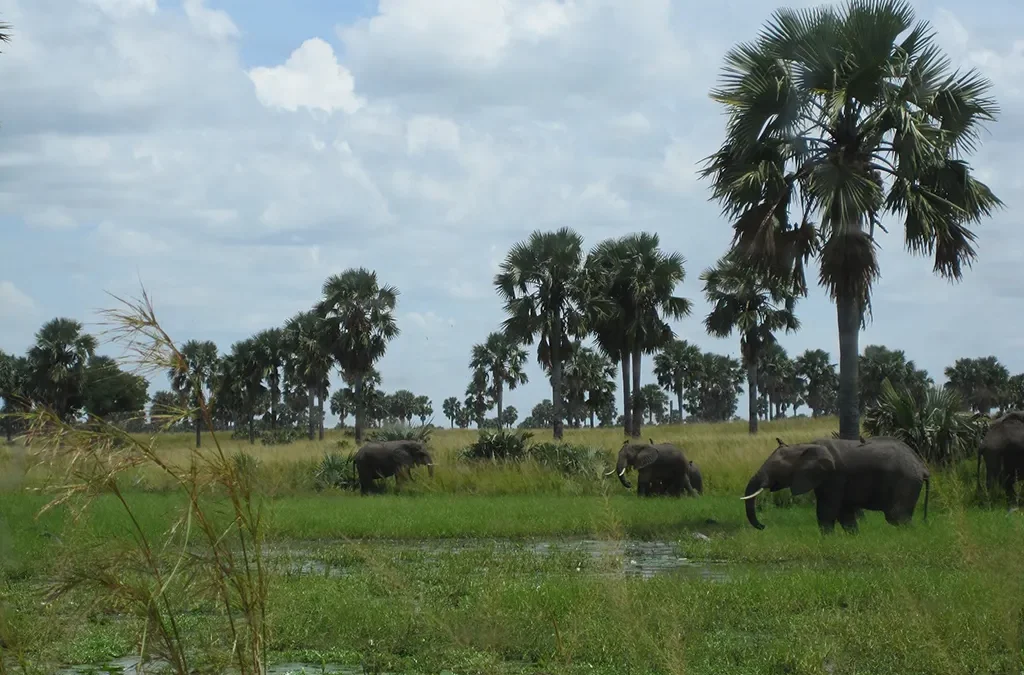
Best National Parks for Elephants in Rwanda and Uganda offer amazing wildlife experiences for visitors seeking these gentle giants. Uganda provides multiple parks with large elephant populations while Rwanda offers one special location for elephant viewing. Queen Elizabeth National Park and Murchison Falls National Park in Uganda lead the way with thousands of elephants roaming their vast landscapes. Meanwhile, Akagera National Park in Rwanda serves as the country’s only elephant sanctuary with a growing population. These parks provide excellent game drives, boat safaris, and guided tours for elephant observation. The dry seasons typically offer the best viewing opportunities when animals gather near water sources. Each park offers unique experiences from savanna elephants to forest dwellers in their natural habitats.
Uganda’s Top Elephant Parks
Queen Elizabeth National Park
Queen Elizabeth National Park holds Uganda’s largest elephant population with impressive numbers that continue growing each year. The park houses approximately 5,000 elephants according to recent wildlife surveys conducted by conservation teams. These magnificent animals roam freely across the park’s diverse landscapes including savannas, woodlands, and wetland areas.
The Uganda Wildlife Authority conducted detailed surveys showing remarkable population growth over recent years in the park. A 2018 survey recorded 3,953 elephants compared to 2,913 individuals counted in 2015 showing successful conservation efforts. This increase demonstrates the effectiveness of anti-poaching measures and habitat protection programs throughout the park.
The Mweya sector provides excellent elephant viewing opportunities during morning and evening game drives throughout the year. Visitors frequently spot large herds grazing in the open savannas while smaller groups move through acacia woodlands. The Ishasha sector also offers reliable elephant sightings particularly in areas near the Ishasha River.
The Kazinga Channel represents the park’s premier elephant viewing location especially during dry season months when water becomes scarce. Large herds gather along the channel’s banks to drink and bathe while boats provide safe viewing platforms. This area allows visitors to observe elephant behavior including family interactions and social structures.
Murchison Falls National Park
Murchison Falls National Park supports between 1,500 and 2,000 elephants across its diverse habitat zones including grasslands and forests. These elephants thrive in the park’s varied landscapes from open savannas to dense woodland areas near rivers. The Victoria Nile provides crucial water sources that attract large herds throughout the year.
The northern sector around Paraa and Pakuba offers the most reliable elephant viewing opportunities for visitors to the park. Game drives in this area frequently encounter herds moving between feeding grounds and water sources along established pathways. The area’s open terrain provides excellent visibility for photography and wildlife observation.
The Nyamsika Cliffs provide elevated viewing points where visitors observe elephants moving through the valleys below during game drives. The Rabongo and Kaniyo Pabidi forests offer chances to see elephants in woodland settings where they browse on trees. These forest areas provide different viewing experiences compared to open savanna locations.
Boat safaris along the Victoria Nile offer unique perspectives for elephant viewing as herds come to drink water. The dry seasons from December to February and June to August provide optimal viewing conditions. During these periods elephants concentrate near permanent water sources making them easier to locate and observe.
Kidepo Valley National Park
Kidepo Valley National Park maintains a healthy elephant population estimated between 400 and 600 individuals in this remote location. These elephants form part of a larger population that moves freely across international borders into South Sudan and Kenya. This cross-border movement creates unique wildlife viewing opportunities but makes elephant locations less predictable than other parks.
The Narus Valley serves as the primary elephant viewing area especially during dry season months when water becomes limited. Elephants gather around the valley’s reliable water sources creating excellent viewing opportunities for park visitors. The valley’s open terrain allows for easy wildlife observation and photography from safe distances.
Conservation teams work actively to protect elephants and manage human-wildlife conflict in the remote Kidepo region. The park’s isolation provides natural protection but also creates challenges for anti-poaching efforts and wildlife monitoring. International cooperation helps track elephant movements across borders and coordinate conservation efforts between neighboring countries.
Kibale National Park
Kibale National Park offers opportunities to observe forest elephants in their natural rainforest habitat though sightings occur less frequently. These forest elephants differ from their savanna relatives in behavior and appearance while maintaining similar social structures. The dense forest environment makes elephant viewing more challenging but provides unique wildlife experiences for patient visitors.
Rwanda’s Elephant Park
Akagera National Park
Akagera National Park serves as Rwanda’s only location for elephant viewing with a growing population of approximately 100 individuals. The park has achieved remarkable conservation success after facing severe challenges from poaching and habitat loss. African Parks and the Rwanda Development Board have worked together to restore elephant populations through dedicated conservation programs.
The park’s elephant population has grown steadily thanks to successful anti-poaching measures and habitat restoration efforts throughout the area. These conservation initiatives have created a safe environment where elephants thrive and reproduce successfully. Visitors now regularly spot elephants during game drives across the park’s diverse landscapes.
Female elephants with calves require extra caution during viewing as they become protective of their young ones. Male elephants during musth periods also display aggressive behavior requiring visitors to maintain safe distances at all times. Park guides provide safety instructions and ensure proper viewing distances are maintained during all elephant encounters.
The park’s most famous elephant, Mutware, lived peacefully for over 40 years before dying naturally at age 48. This elephant became habituated to humans and served as an ambassador for elephant conservation in Rwanda. Mutware’s story demonstrates successful human-elephant coexistence when proper management practices are followed consistently.
The dry seasons from June to September and December to March provide optimal elephant viewing conditions. During these periods animals gather near water sources while vegetation becomes less dense improving visibility. Game drives during early morning and late afternoon hours offer the best chances for elephant encounters.
Akagera also offers boat trips on Lake Ihema, nature walks, and cultural tours providing diverse experiences beyond elephant viewing. The park houses lions, leopards, rhinos, giraffes, zebras, and over 500 bird species creating comprehensive wildlife experiences. These additional activities make Akagera a complete safari destination for visitors seeking varied wildlife encounters.
Planning Your Elephant Safari
Both countries offer excellent elephant viewing opportunities with each park providing unique experiences and wildlife encounters. Uganda’s parks feature larger elephant populations while Rwanda offers intimate viewing experiences in a single location. The dry seasons provide optimal viewing conditions across all parks when animals concentrate near water sources.
Visitors should plan their trips during dry season months for the best elephant viewing opportunities and comfortable weather conditions. Professional guides enhance the experience by sharing knowledge about elephant behavior, conservation efforts, and park ecosystems. These expert guides ensure safe wildlife encounters while providing educational insights about elephant conservation and habitat protection.