
Best 5 Camping Spots around Bwindi Forest
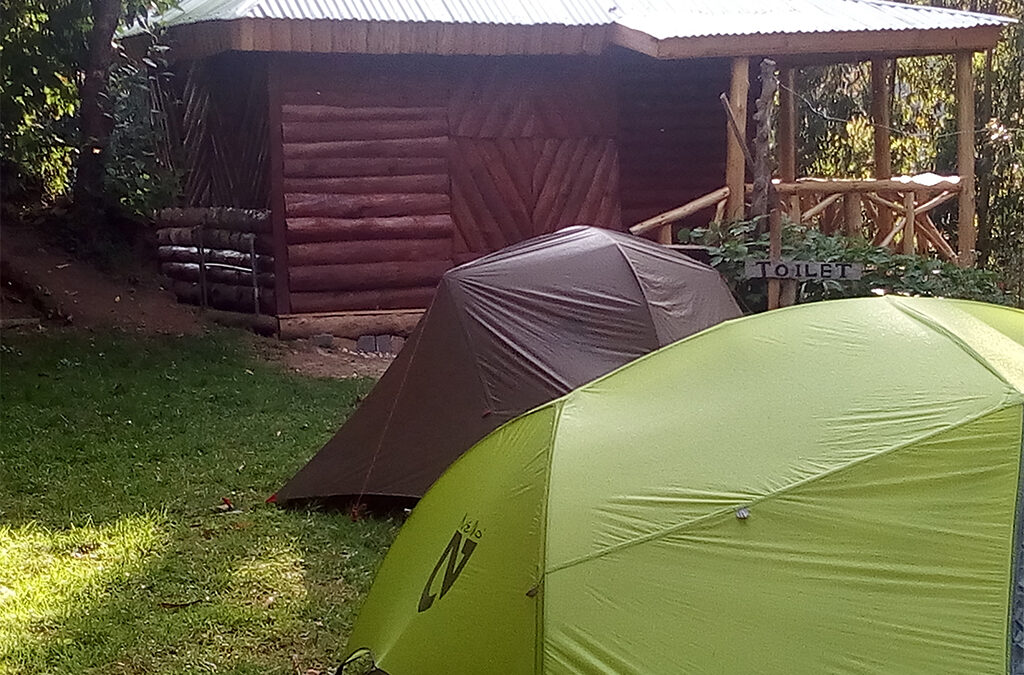
Camping spots around Bwindi Forest give travelers the chance to stay near mountain gorillas in Uganda. Some offer basic camping while others offer luxury stays inside or near the forest. Visitors wake up to forest sounds, cool mountain air, and sometimes distant gorilla calls. These campsites also give access to village walks and birdwatching. Most are located in the Buhoma or Ruhija sectors of Bwindi Impenetrable National Park. Staying at these camps helps support community efforts to protect nature and wildlife. Below are five recommended camping spots near Bwindi Forest and important details about how to reach the area.
Ruhija Community Rest Camp
Ruhija Community Rest Camp lies in the Ruhija sector of Bwindi Forest and offers both tents and simple rooms. It provides basic services like meals, bedding, and warm showers at a fair price for budget travelers. Staff members here know the area well and often help visitors spot local birds and primates. The camp overlooks misty hills and tall trees filled with birdlife and forest sounds. This place suits travelers looking for peaceful views and affordable lodging. The trailhead for gorilla trekking is nearby, which means less travel before your trek begins.
Buhoma Community Rest Camp
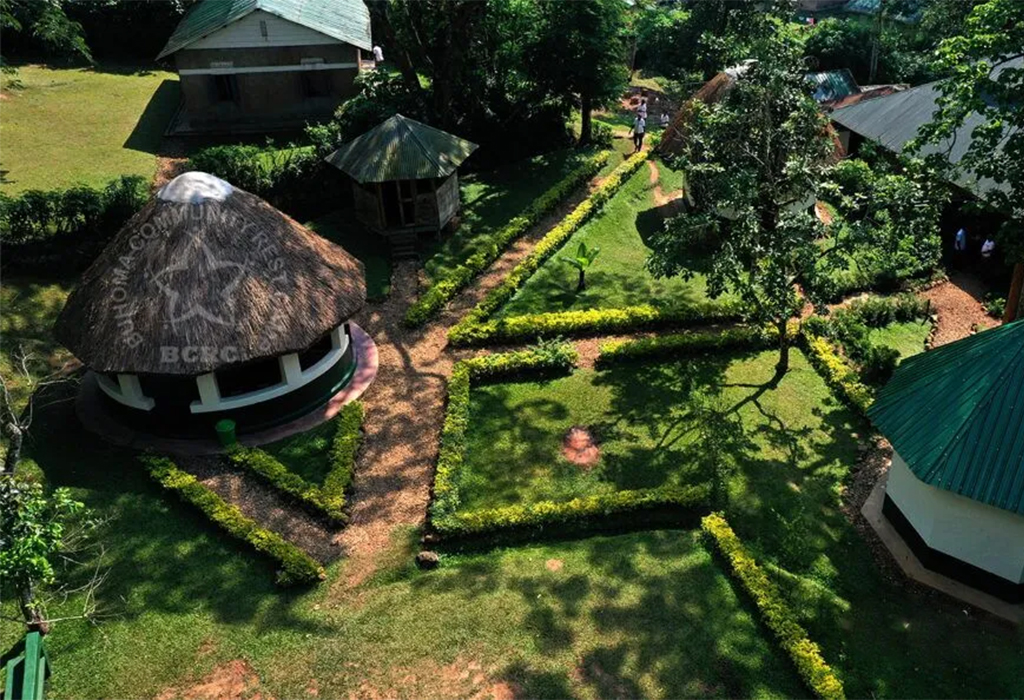 Buhoma Community Rest Camp sits at the edge of the forest near the Buhoma sector’s main gate. This is one of the oldest camps managed by locals, and it supports schools and health centers. Many guests enjoy the mix of forest walks and cultural talks from nearby villages. The camp offers furnished tents and budget cottages with close views of the forest. Sometimes, gorillas move near the edges of the camp, especially during feeding hours. Visitors enjoy the calm environment and local food served with fresh fruits and vegetables.
Sanctuary Gorilla Forest Camp
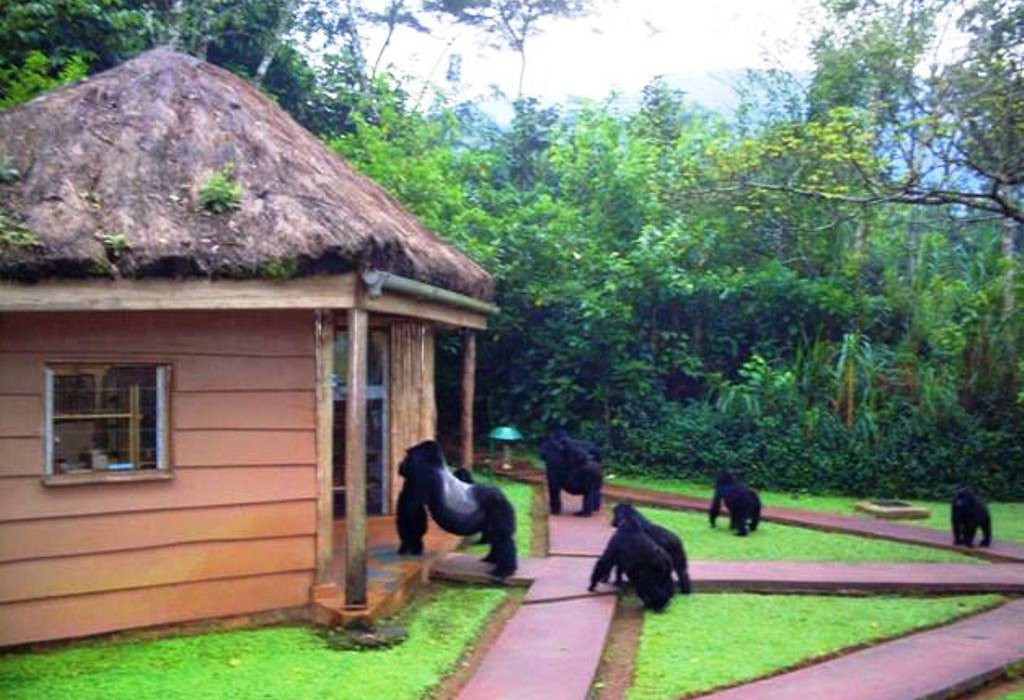 Sanctuary Gorilla Forest Camp is a luxury stay inside Bwindi’s Buhoma sector, close to the gorilla trekking point. It provides modern tents with private bathrooms, great food, and friendly staff with helpful forest knowledge. This lodge offers comfort while still keeping you close to the forest and wildlife. It blends well into the trees and uses eco-friendly methods for water and power. Travelers often see monkeys and colorful birds from the deck while enjoying a cup of tea or coffee. This camp works closely with nearby communities through projects and guided walks.
Karungi Camp
Karungi Camp is a small, eco-friendly place near the Rubuguri area close to the Rushaga and Nkuringo sectors. It gives affordable rooms and simple tents, which suits travelers who want nature without high costs. The camp uses solar lights, local materials, and supports nearby farmers by buying fresh food daily. Karungi means “beautiful,” and guests often agree after seeing the green hills and forest views. Birders and hikers love staying here since trails and birding spots are close. Many guests also take part in community visits led by local guides.
Bwindi Forest Farm and Campsite
Bwindi Forest Farm and Campsite mixes nature and culture in the Buhoma region near the forest’s edge. The campsite includes grassy areas for tents, shared bathrooms, and guided forest hikes. It’s run by locals who also lead village tours, cook fresh meals, and share stories around campfires. This site gives travelers a chance to meet villagers, join local farming, and learn about forest life. The forest trail near the camp often shows signs of monkeys, birds, and even gorilla paths. Many travelers return because of the warmth shown by the hosting families.
Top Things to Do in Bwindi Forest
Visitors come to Bwindi Forest mostly for mountain gorillas, but the park offers much more to explore. With dense trees, steep hills, and thick trails, the park is also rich with birds, monkeys, and plants. People enjoy nature walks, cultural visits, and birdwatching just as much as gorilla trekking. Below are five top activities that make every visit to Bwindi special and memorable.
Gorilla Trekking
Gorilla trekking is the most popular activity in Bwindi Forest and draws visitors from around the world. Hikes begin early, and guides lead groups into thick forest to find one of the habituated gorilla families. The trek takes between two to six hours, depending on the gorillas’ location. Once found, visitors spend one full hour watching the gorillas as they eat, play, and rest. Trekkers must follow rules that protect both people and gorillas, including keeping a safe distance and avoiding flash photography.
Gorilla Habituation Experience
Gorilla habituation gives visitors more time up to four hours with wild gorillas still getting used to people. This activity happens mostly in the Rushaga sector and allows smaller groups to walk with researchers and trackers. During the experience, guests observe how gorillas behave when they aren’t fully used to humans. This helps researchers teach the gorillas not to fear people. Permits for this activity cost more than normal trekking but offer a longer stay in the forest. This is great for people who want a deeper look into gorilla life.
Batwa Cultural Visit
The Batwa were the first people to live in Bwindi Forest, and some still live near the park today. Local guides take visitors through Batwa trails while sharing stories, songs, and dances from their past. Some visits include learning about old hunting tools, shelters, and plant use for medicine. Guests also hear how the Batwa were moved from the forest when it became a park and how they now live. These visits support Batwa communities and help travelers understand how deeply they connect with the forest.
Bird Watching
Bwindi Forest ranks among Africa’s best birding places, with over 350 bird species recorded in its trees and swamps. The forest is home to many Albertine Rift endemics—birds that live nowhere else on earth. Popular spots for birders include the Mubwindi Swamp in the Ruhija sector and the Buhoma Waterfall Trail. Some rare birds found here include the African green broadbill, Rwenzori turaco, and Shelley’s crimsonwing. Birdwatchers should carry binoculars, boots, and field guides while walking with skilled local bird guides.
Nature Walks and Forest Hikes
Several marked trails lead through Bwindi Forest’s tall trees, waterfalls, and clear streams filled with frogs and insects. Hikes range from easy strolls to longer treks across steep paths and thick undergrowth. These walks show the forest’s plants, butterflies, monkeys, and sometimes bush pigs. Guides explain how trees grow, how local people use plants, and how animals shape the forest. The Waterfall Trail in Buhoma is short and scenic, while the Ivy River Trail is longer and connects villages to the forest.
How to Reach Bwindi Forest
Reaching Bwindi Forest depends on your starting point—either Entebbe or Kigali—and how much time you want to travel. Travelers choose between flying or driving, depending on cost, comfort, and weather. Bwindi is in the southwest part of Uganda, near the borders of Rwanda and Congo.
From Entebbe International Airport (EBB)
Visitors from Entebbe can take a local flight or drive directly to Bwindi Forest. Flights take about 90 minutes and land at Kisoro or Kihihi airstrips. From the airstrip, guests use pre-booked ground transfers to reach their lodge or camp. These airstrips serve different park sectors, so check the one closest to your stay. Driving takes about 9 hours and passes through towns like Mbarara and Kabale. The road is long but offers views of hills, banana farms, and trading centers with food and drinks.
From Kigali International Airport (KGL)
Travelers from Kigali usually drive through the Katuna or Cyanika border points into Uganda. The drive to Bwindi takes about 5 hours and offers a shorter route than from Entebbe. Many tour companies offer cross-border safaris that include visa support and easy movement through customs. Flying from Kigali to Kisoro or Kihihi is possible but less common due to route limits and few flights. Roads from Kigali to Bwindi are safe and smooth, with great views of farms and tea estates along the way.