
Visiting Sacred Forests of Burundi
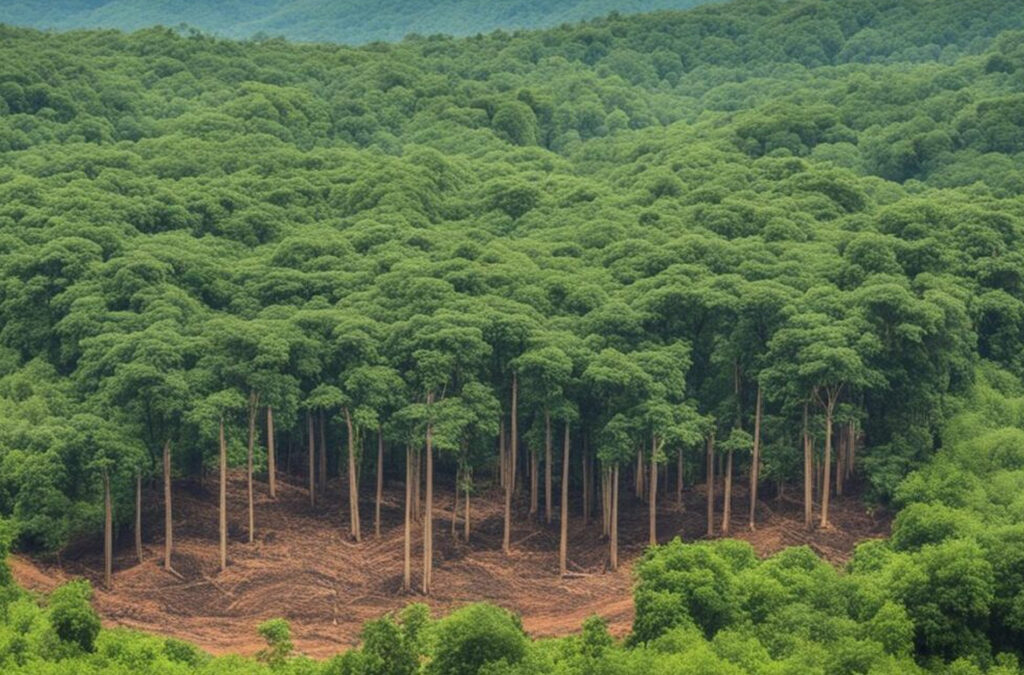
To visit the sacred forests of Burundi means more than just seeing trees and animals. It allows travelers to walk through places that hold deep cultural meaning. The forests of Kibira and Kigwena offer rich experiences filled with wildlife, local stories, and strong traditions. These places still connect people to their ancestors, beliefs, and ways of life. With guided tours, it becomes easier to learn and enjoy. Wildlife sightings, nature walks, and cultural visits give a full picture of what these forests hold. The air is clean, the views are wide, and the history remains alive. This journey stays with you.
Kibira National Park – A Living Forest
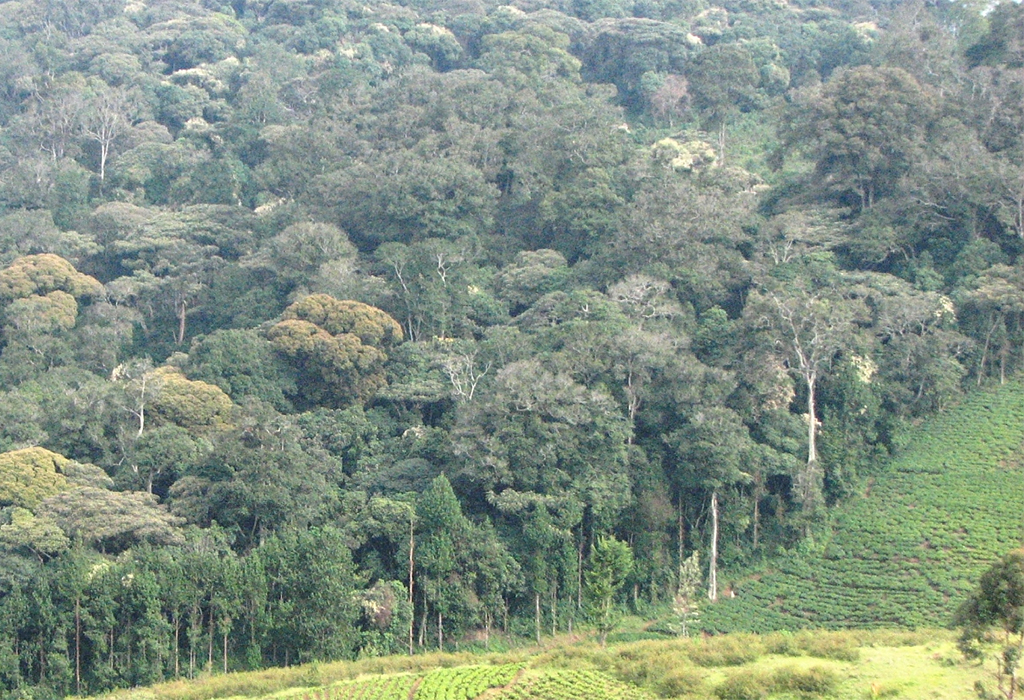 Kibira National Park covers over 400 square kilometers of thick rainforest. It stretches across the mountains from Bujumbura to the north. Long ago, this forest served as a sacred hunting ground for kings. Today, it still holds that respect. Locals see it as a special place. The forest stays green all year, making it home to many animals and plants.
Visitors walk through the tall trees guided by trained park rangers. These walks offer chances to see birds, monkeys, and sometimes chimpanzees. You also get to learn about trees, plants, and how people live near the park. The rangers know the land well. They tell stories and explain how the forest supports nearby families.
Wildlife in Kibira
Kibira is rich with wildlife. Over 200 bird species live in the forest. Many are rare. Monkeys move through the trees, and chimpanzees sometimes appear. You might also see small forest mammals and colorful butterflies. This mix of animals adds excitement to every walk.
The quiet in the forest helps you hear the animals better. Birds sing, monkeys call out, and leaves rustle with movement. With each step, something new shows up. This makes every visit feel fresh. The wildlife keeps the forest full of life and wonder.
Guided Walks and Local Visits
All forest walks go with a guide. These guides are trained by the park office. They help keep visitors safe and share useful facts. The paths are clear but may be steep in some parts. Good walking shoes help a lot.
A visit to Busekera, a nearby Pygmy village, adds to the day. This community lives near the park and welcomes visitors. You get to see how they cook, build homes, and make crafts. The visit teaches you how the forest helps people live. It’s a chance to support their work by buying crafts or handmade items.
Relax by Rwegura Dam
After walking through Kibira, it feels nice to rest by water. The Rwegura hydroelectric dam is a peaceful picnic spot. It sits on the edge of the forest and makes a good place to eat lunch. The air is cool, and the water view feels calm. Families and small groups often enjoy short breaks here. It’s also a good spot for photos.
The dam also powers homes and towns nearby. Guides may explain how it works. So, even a simple picnic comes with a short lesson. Nature and people work side by side in this area.
When to Visit Kibira
Dry months from June to September are easier for walking. The trails stay dry and clear. Wildlife is also easier to spot. But guided walks happen all year. Even during the rains, the forest stays green and active.
If you visit in the rainy season, carry rain gear and wear strong shoes. Guides still run tours. Rain adds fresh smells and new sounds. Birds sing louder. Leaves shine more. Some people enjoy the forest even more in the rain.
Kigwena Forest Natural Reserve
 Kigwena Forest sits near Rumonge, along National Route No. 3. It lies between Lake Tanganyika and the mountains. The forest covers less space than Kibira but still holds great value. It is easy to reach and perfect for a half-day visit.
The forest stays warm and humid. This helps many plants and animals grow well. Visitors enter with a guide from the Environmental and Conservation Institute. These guides teach about plants, animals, and the value of protecting forests.
Wildlife in Kigwena Forest
Kigwena holds baboons, monkeys, and forest antelopes. You might also see snakes and insects. Birds sing from every corner. Some fly low. Others stay high in the trees. Binoculars help a lot during bird-watching walks.
Many animals in Kigwena are shy. Walking quietly helps you see more. Guides know where animals like to stay. They take you to the right spots. These walks feel simple but exciting. Each corner of the forest hides something new.
Plant Life in Kigwena
Trees in Kigwena grow thick and tall. Some reach very high into the sky. Vines hang from trees. Roots twist across the ground. The forest floor stays soft and cool.
Some trees have names and uses. Local guides point them out. Some treat illness. Others give strong wood or sweet fruits. The guides share how people use plants in daily life. These talks help visitors understand how the forest supports the nearby villages.
Easy Access and Short Tours
One big plus with Kigwena is its location. The forest sits close to the road. You don’t need to drive far. It works well for people staying in Rumonge or nearby areas.
The tours last one to two hours. They fit well into a travel day. Some groups stop at Kigwena when driving between cities. Others plan a longer stay in Rumonge and visit the forest early in the morning.
Other Consideration in Burundi
Cultural Stop – Gishora Drum Sanctuary
While visiting the forests, take time to stop at Gishora Drum Sanctuary. It lies near Gitega. The site holds strong meaning in Burundian culture. Drums played a big part in royal life and public events. At Gishora, trained drummers show how drums were used. The shows are full of strong beats, singing, and movement.
Visitors also hear the history of these drums. They learn how each beat told a message. The drums were not just for music. They shared news, welcomed guests, and marked big events. Gishora helps keep this old art alive.