
Gorilla Trekking and Chimpanzee Trekking – Which one First?
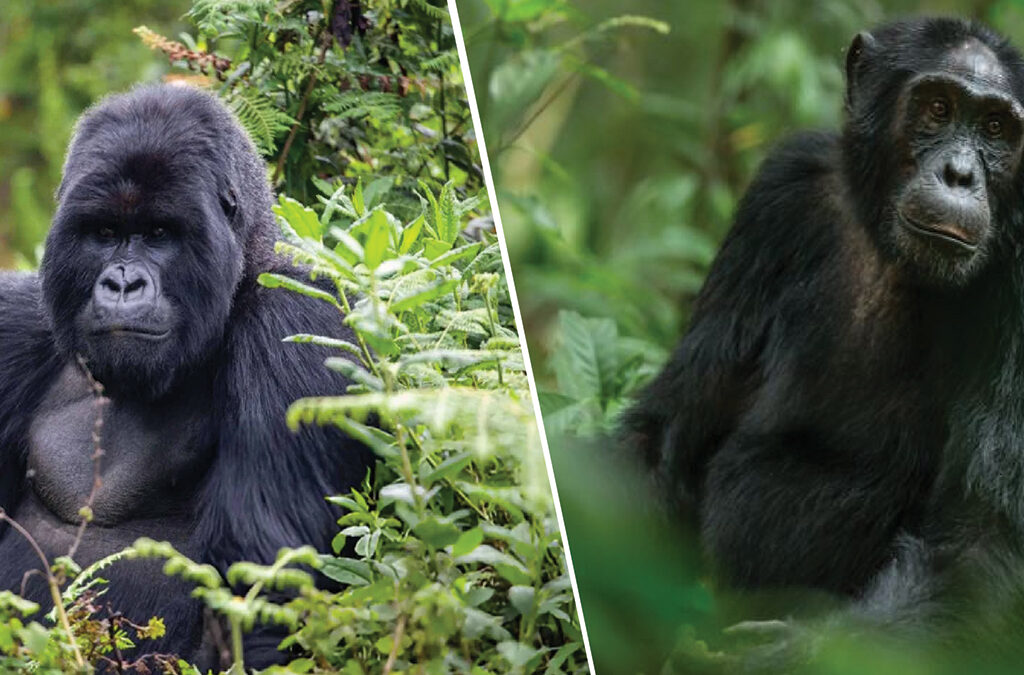
Combining gorilla and chimpanzee trekking in Uganda offers an exciting journey through African rainforests. Each activity introduces you to different primates in their natural habitat. Starting with chimpanzees and ending with gorillas usually works best for many travelers. The order helps you adjust physically and mentally for more challenging treks. It also improves the flow of your itinerary while reducing fatigue. Uganda, with its rich biodiversity, stands out as Africa’s top destination for primate trekking. You will explore beautiful parks, meet wildlife experts, and learn about conservation efforts. Most importantly, you will walk through dense forests and observe rare creatures in action. Here’s why it makes sense to start with chimpanzees before meeting the mountain gorillas of Bwindi.
Why Begin with Chimpanzee Trekking?
 Easy Access from Kampala or Entebbe
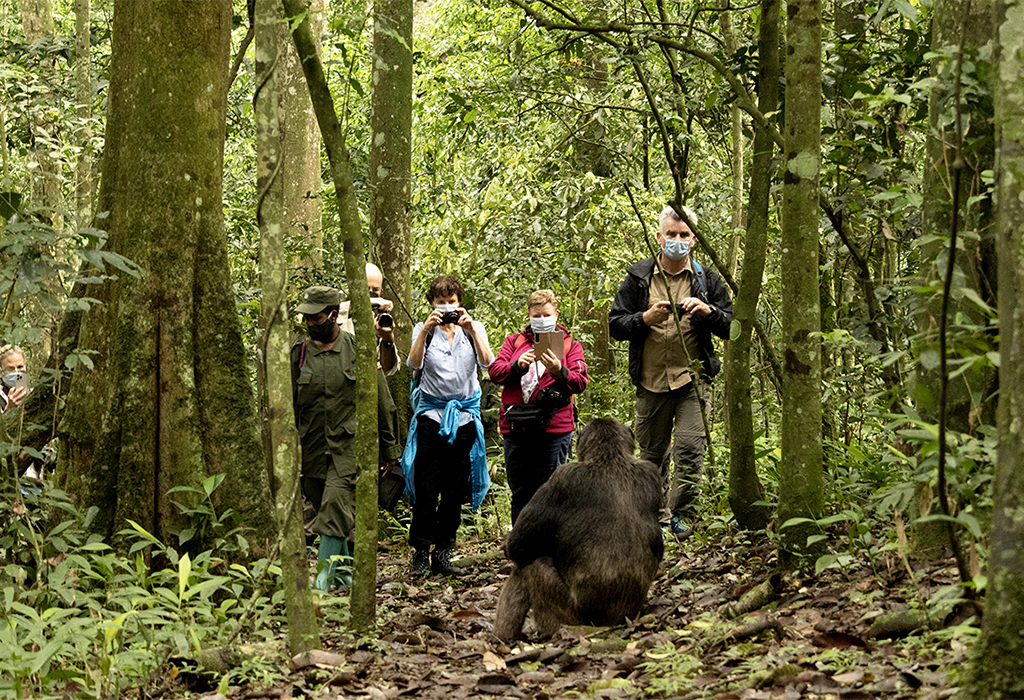
Start your journey in Entebbe or Kampala. From here, drive to Kibale Forest National Park, known for chimpanzees. The road is relatively smooth and shorter than the route to Bwindi. So, your first transfer will feel easier and more comfortable.
Less Physically Demanding Start
Chimpanzee trekking usually involves shorter trails and gentler slopes. Compared to gorilla trekking, the activity feels more manageable. This makes it a great introduction for travelers new to primate tracking. You will warm up physically and prepare for tougher hikes later.
Build Your Confidence First
Seeing chimpanzees helps you understand forest behavior and trail etiquette. You get used to moving through dense vegetation. The experience builds your confidence. So when the time comes to track gorillas, you feel more prepared and less anxious.
Active and Social Primates
Chimpanzees live in large troops and show playful, human-like behaviors. Their sounds echo through the forest. You will often see them swinging between branches, grooming, or chasing each other. Watching these interactions adds excitement and keeps you engaged throughout the trek.
Shorter Trek Times
Chimpanzee tracking usually lasts about two to four hours, depending on troop location. Most sightings happen within the first hour. This leaves enough time to rest or explore nearby areas afterward. The shorter duration helps conserve your energy for the next destination.
Then Move to Gorilla Trekking
 Natural Progression to a Bigger Challenge
After tracking chimpanzees, travel deeper into the highlands for gorilla trekking. This transition allows your body to adjust gradually. You build strength with each day. By the time you arrive in Bwindi, your legs feel ready for steep climbs.
Gorilla Trekking Feels Like a Grand Finale
Meeting a mountain gorilla troop brings a powerful sense of achievement. Saving it for last amplifies the emotional reward. Ending your safari with gorilla trekking leaves lasting memories from the most intense experience.
Bwindi’s Remoteness Makes It a Final Stop
Bwindi Impenetrable Forest National Park lies in southwestern Uganda. The terrain is rugged and remote. Roads become narrower and bumpier. So, it makes sense to visit Kibale first before heading into this challenging area. This reduces travel stress.
Longer Trek Times Require More Preparation
Tracking gorillas may involve hiking for several hours. Sometimes the gorillas move deeper into the forest. Starting with chimpanzees gives you practice and improves your fitness. When you start the gorilla trek, you already know how to pace yourself.
Higher Altitudes Need Acclimatization
Bwindi sits at a higher elevation than Kibale. If you’re not used to high altitudes, arriving slowly helps your body adjust. Staying at lower altitudes first reduces the risk of altitude sickness.
Suggested 5-Day Itinerary
Day 1: Arrival and Travel to Kibale
Land at Entebbe International Airport or arrive in Kampala. A driver-guide will meet and brief you. Then begin your journey toward Kibale National Park. The drive usually takes about five to six hours. Pass by tea plantations, rural villages, and scenic forests. Reach your lodge near Kibale by late afternoon. Rest and prepare for chimpanzee trekking the next day.
Day 2: Chimpanzee Trekking in Kibale Forest
After breakfast, drive to Kanyanchu Visitor Center in Kibale National Park. Attend a briefing by Uganda Wildlife Authority guides. They explain trekking rules and chimpanzee behavior. Enter the forest with a ranger and begin the trek. Listen for loud calls and rustling leaves. When you spot them, spend up to one hour observing the chimpanzees. Watch them climb, play, and interact. Later, return to the lodge for lunch and relaxation. Optional activities include a Bigodi Wetland walk or cultural visit.
Day 3: Transfer to Bwindi Impenetrable Forest
Eat an early breakfast and begin the long journey to Bwindi. The drive takes about seven to eight hours. Enjoy stops for photos and refreshments along the way. You may pass through Queen Elizabeth National Park. With luck, you could see elephants, buffaloes, or tree-climbing lions. Arrive at your lodge in Bwindi late in the day. Rest and prepare for the gorilla trek tomorrow.
Day 4: Gorilla Trekking in Bwindi Forest
Wake up early for breakfast. Then drive to the park headquarters for the gorilla briefing. Rangers assign trekking groups and explain safety guidelines. Begin hiking through thick vegetation, led by experienced guides. The trek may take two to six hours depending on the gorillas’ location. Once you find them, spend up to one hour with the group. Watch them feed, groom, or care for their young. Take photos silently and maintain a respectful distance. Afterward, return to the starting point and transfer to your lodge. Rest and share stories about your close encounter.
Day 5: Return or Continue Your Safari
After breakfast, begin the return journey to Kampala or Entebbe. The drive takes eight to ten hours. Alternatively, you may take a domestic flight from Kihihi or Kisoro airstrip to Entebbe. If you prefer more adventures, continue to Lake Bunyonyi, Queen Elizabeth National Park, or Rwanda.
Why Uganda Stands Out for Primate Treks
Largest Gorilla Population
Uganda hosts over half of the world’s remaining mountain gorillas. Most live in Bwindi and Mgahinga National Parks. This makes Uganda the best country for observing gorillas in their natural setting.
Strong Conservation Efforts
Uganda leads in wildlife protection. Gorilla permits support forest rangers, vets, and local communities. Your visit contributes to preserving these primates for future generations.
Great Tourism Infrastructure
The country has well-maintained lodges, skilled guides, and organized tour companies. Roads connect major parks. Domestic flights are also available. This makes travel across Uganda smoother.
Friendly People and Cultural Touch
Ugandans welcome visitors warmly. Along your route, meet locals and learn about their way of life. Enjoy traditional dances, food, and crafts during community visits.