
When is the low season in Uganda and Rwanda?
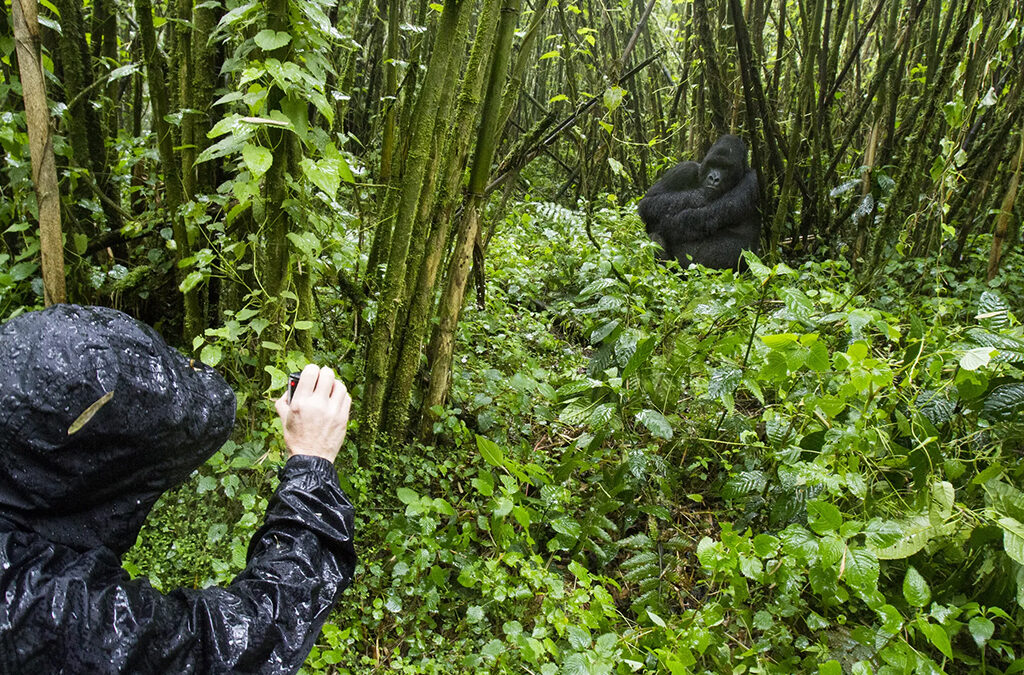
Traveling to Uganda and Rwanda offers unforgettable experiences, but understanding the best times to visit can enhance your trip. Both countries experience a low season that occurs during the rainy months. For Uganda and Rwanda, the low season falls between April to May and November to December. During these months, the weather tends to be wet, and fewer tourists visit the countries. While the rainy season may seem like a challenging time to visit, it brings several advantages. The low season offers lower prices, less crowded experiences, and a more peaceful atmosphere to enjoy nature. In this article, we explore the low season in detail, highlighting its impact on weather, travel, costs, wildlife, photography, permits, and available activities.
Weather Conditions During the Low Season
Uganda and Rwanda experience rainfall during the low season, which begins in April and lasts through May, and then again in November and December. The rainy season brings frequent downpours, mostly in the afternoon. Expect temperatures around 23°C (73°F) during the day and around 12°C (54°F) in the morning. Although rain may seem inconvenient, it also brings lush green landscapes, creating a refreshing atmosphere. The cool temperatures provide relief from the usual tropical heat, making it more comfortable for outdoor activities.
Travel Challenges in the Low Season
While the low season is quieter, it can pose some challenges for travelers. The rain can cause roads and trails to become slippery and difficult to navigate. In remote areas, roads may become muddy, and some tracks may be impassable. However, most of the major roads remain open, and travelers can still access popular safari destinations and wildlife parks. If you plan on trekking or hiking, it is important to prepare for muddy conditions.
Additionally, certain lodges and accommodations may close or reduce their services during the low season. However, many lodges continue to operate and may even offer discounts. Before booking your trip, it is a good idea to confirm availability. Despite these challenges, the low season brings its own rewards, including fewer crowds and more personalized experiences.
Lower Costs for Accommodation and Tour Packages
One of the main reasons many travelers opt to visit Uganda and Rwanda during the low season is the significant cost reduction. Accommodations, tour packages, and even gorilla trekking permits are much cheaper during this period. This is an excellent time to enjoy a safari experience without breaking the bank.
You will find discounted rates for lodging, allowing you to stay in premium accommodations at more affordable prices. Additionally, the cost of guided tours is generally lower, making it a more budget-friendly time to explore the countries. The reduced prices also apply to the cost of gorilla trekking permits, making it easier to secure a spot without paying premium prices.
Exclusive Wildlife Encounters and Fewer Tourists
The low season is a perfect opportunity to experience wildlife in Uganda and Rwanda more intimately. With fewer tourists around, you can enjoy more exclusive encounters with animals in national parks. Gorilla trekking, for instance, becomes a more peaceful experience, as there are fewer trekkers in the area. This means that your group will have a greater chance of having private moments with these incredible creatures.
Game viewing during the low season is also more enjoyable. The absence of large crowds allows you to have a quieter and more relaxed experience, whether you are on a game drive or hiking through the forests. The low season offers a more intimate connection with the environment and its wildlife, making it a truly unique time to visit.
Perfect Conditions for Photography
For photographers, the low season is an ideal time to capture stunning shots of the landscape and wildlife. The rain transforms the vegetation, making it lush and vibrant. This is a perfect backdrop for photography, as the forests, grasslands, and rivers take on an enchanting green hue.
The rainy weather also creates beautiful lighting conditions, especially in the early mornings and late afternoons. With fewer tourists around, you can capture undisturbed wildlife moments without interference. Additionally, the reduced visibility caused by mist and clouds adds a magical touch to your photos. If you are a nature photographer, the low season offers a rich opportunity to capture breathtaking scenery and wildlife moments.
Easier Access to Gorilla and Chimpanzee Permits
Gorilla and chimpanzee permits are typically in high demand during the peak season. However, during the low season, these permits become more readily available. This gives travelers a better chance of securing a permit for gorilla trekking or chimpanzee tracking.
Many tourists choose the low season because they can avoid the long booking waitlists that often occur during the high season. It is also easier to get permits for more specific trekking dates, allowing you to plan your trip with greater flexibility. Since fewer people visit during the low season, the availability of permits is not as restricted, ensuring that you can enjoy the wildlife encounters you desire.
Alternative Activities to Enjoy in Rwanda
While gorilla trekking is the main draw for tourists visiting Rwanda, there are plenty of other activities to enjoy during the low season. The quieter months provide an opportunity to try something different without the crowds.
Golden monkey trekking is one such activity. This unique experience allows you to track and observe golden monkeys in the Volcanoes National Park. These primates live in the dense forests, and seeing them up close is a rare and exciting experience. Golden monkeys are smaller and less well-known than gorillas, making their trekking experience feel special.
Additionally, bird watching enthusiasts will find the low season a great time to explore Rwanda’s diverse birdlife. The wet conditions encourage a variety of bird species to thrive, and the green landscape makes it easier to spot birds in their natural habitat. You can also enjoy game drives in Rwanda’s other national parks, such as Akagera, where wildlife is abundant and the weather is more temperate.
In Kigali, Rwanda’s vibrant capital, you can enjoy a guided city tour during the low season. The cooler temperatures make exploring the city’s museums, markets, and cultural sites more comfortable. Whether you’re learning about Rwanda’s history or enjoying local cuisine, a city tour is a great way to experience the heart of the country.