
6 Best Places to See Leopards in Africa
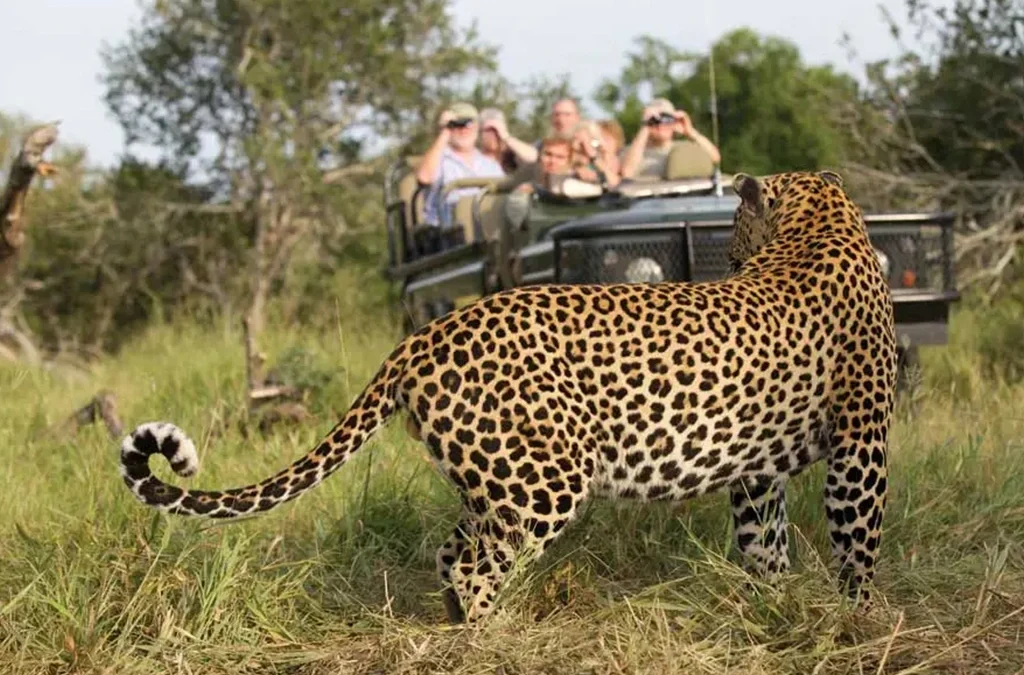
Leopards are among the most elusive and captivating big cats in Africa. Their solitary nature, excellent camouflage, and agility make them masters of survival across diverse habitats. They flourish in rainforests, deserts, and even near human settlements. Despite their widespread distribution, leopards remain difficult to spot. However, some areas in Africa offer exceptional opportunities to see these magnificent creatures. These locations provide a mix of thriving leopard populations and visitor-friendly conditions. Below are six of the best places in Africa to encounter leopards.
South Luangwa National Park – Zambia
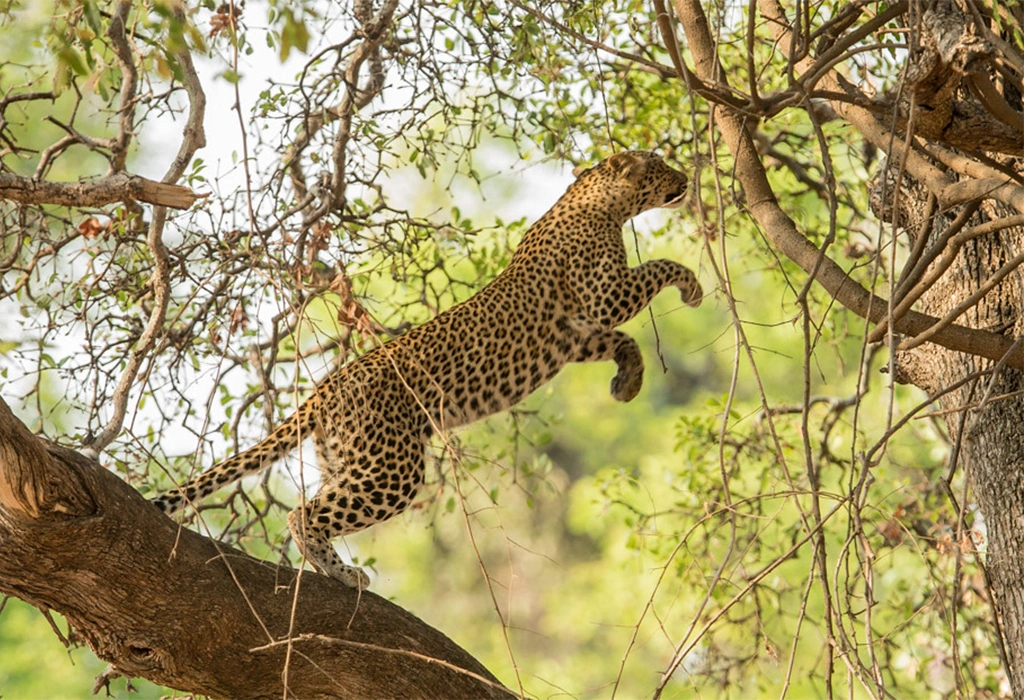 South Luangwa National Park stands out as one of the top destinations for leopard sightings in Africa. It boasts an extraordinary leopard population. The park also offers unique night drives, allowing visitors to observe leopards when they are most active. These nocturnal excursions increase the chances of spotting leopards on the hunt. South Luangwa’s landscape, characterized by riverine woodlands and open plains, provides the perfect backdrop for these incredible cats. Additionally, guides in the park have extensive knowledge of leopard behavior, ensuring rewarding safari experiences. If you want consistent leopard sightings, South Luangwa should be your first stop.
Sabi Sands Game Reserve – South Africa
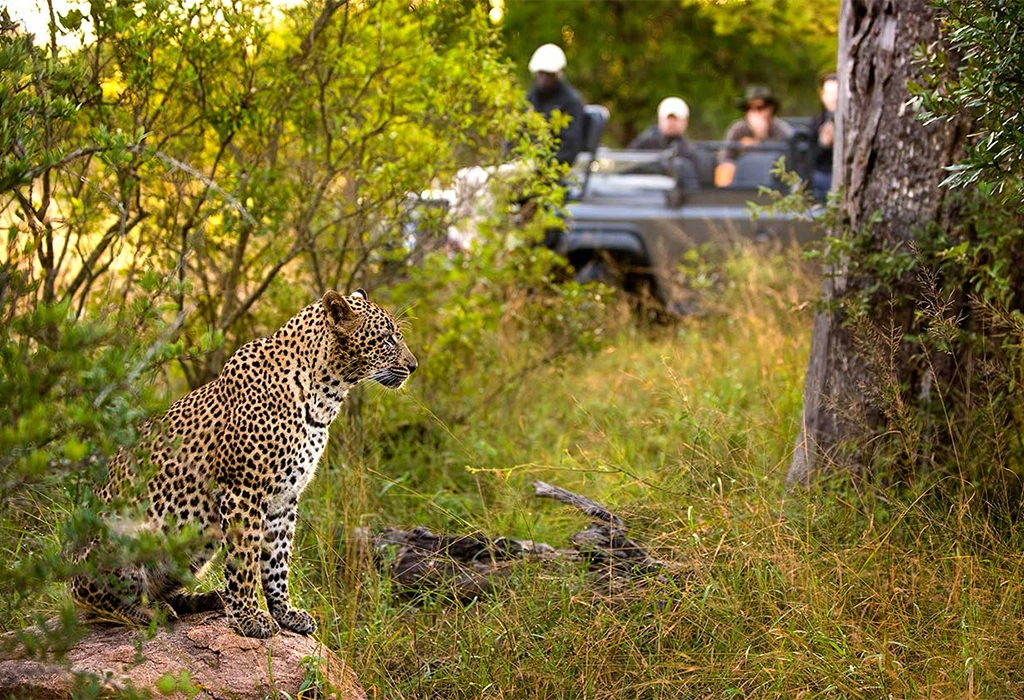 Located adjacent to Kruger National Park, Sabi Sands Game Reserve is a prime spot for close-up encounters with leopards. The reserve’s leopards have adapted to human presence, allowing visitors to see them frequently during game drives. The reserve’s skilled trackers and guides know where to find these cats, ensuring unforgettable moments. Furthermore, the private nature of Sabi Sands allows for off-road driving, which brings you even closer to the action. Leopards here thrive in the dense vegetation and rocky outcrops scattered throughout the reserve. Sabi Sands guarantees an exclusive and intimate leopard-viewing experience, making it one of Africa’s best locations for wildlife enthusiasts.
Moremi Game Reserve – Botswana
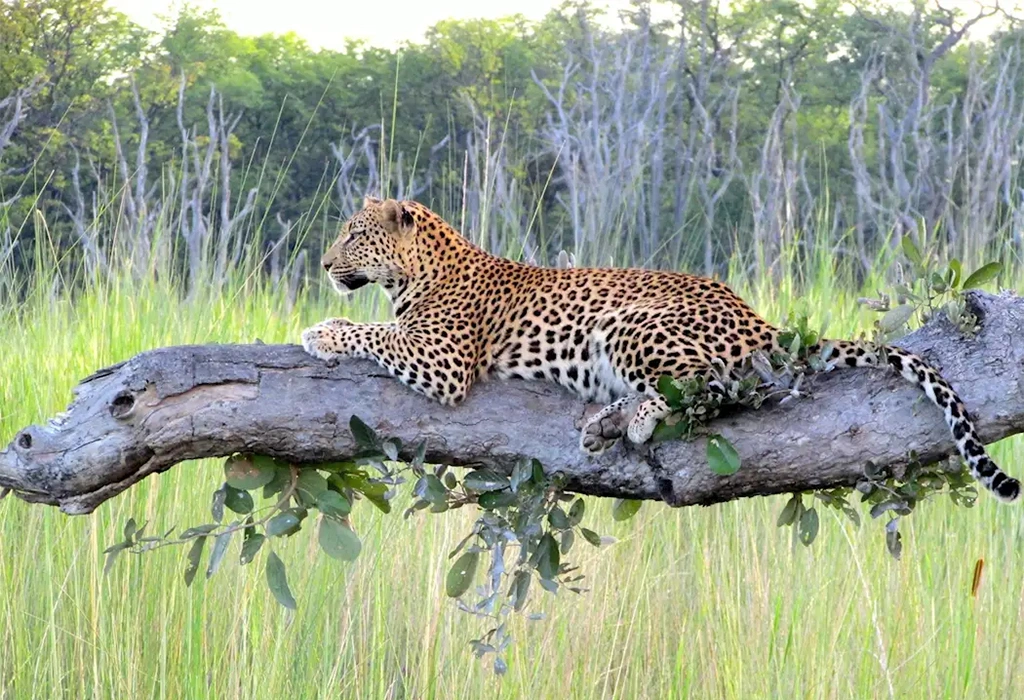 Moremi Game Reserve offers a unique combination of wetlands, grasslands, and forests, creating an ideal habitat for leopards. This reserve has one of the highest leopard densities in Botswana. Visitors often encounter leopards lounging in trees or moving stealthily through the thickets. Early morning and late afternoon drives provide the best chances of sightings. Guides in Moremi understand leopard behavior, helping visitors spot these elusive animals. The Okavango Delta’s intricate waterways also provide breathtaking scenery that enhances every safari. Moremi’s diverse ecosystem ensures that each leopard encounter feels like a unique adventure.
Masai Mara National Reserve – Kenya
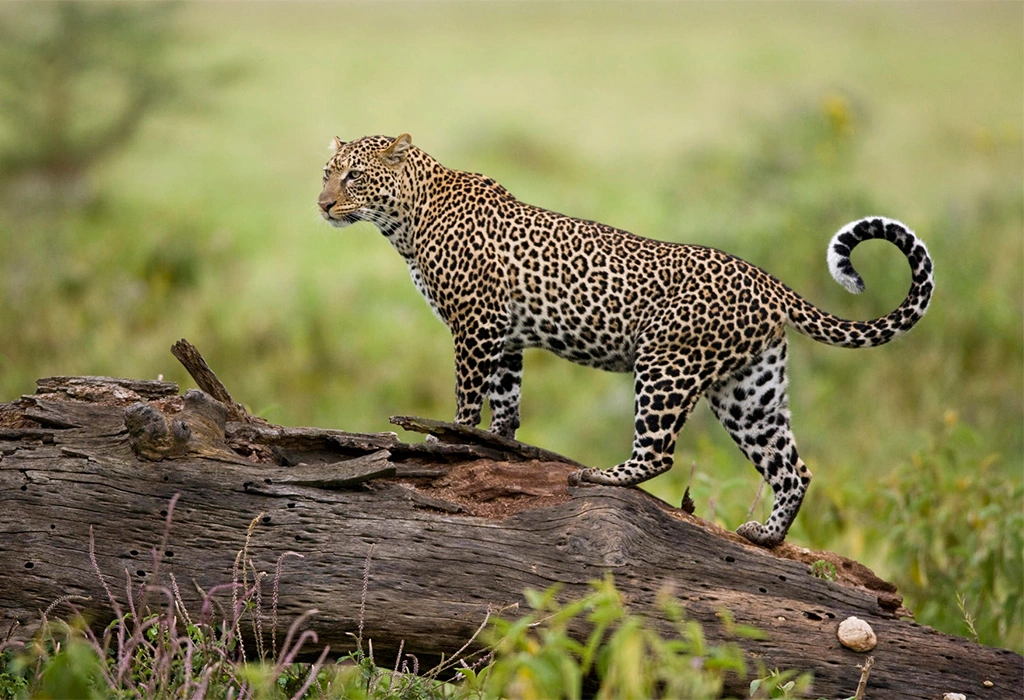 The Masai Mara National Reserve offers excellent opportunities to see leopards against a backdrop of iconic African savannahs. Leopards here often rest in trees during the day or hunt in the open plains during dawn and dusk. The reserve’s abundant prey attracts these predators, ensuring consistent sightings for visitors. Experienced guides help track leopards and maximize your chances of a successful sighting. Additionally, the dramatic landscapes of the Masai Mara make every safari memorable. The reserve’s rich biodiversity means you can observe leopards alongside other big cats like lions and cheetahs, adding to the thrill.
Samburu National Park – Kenya
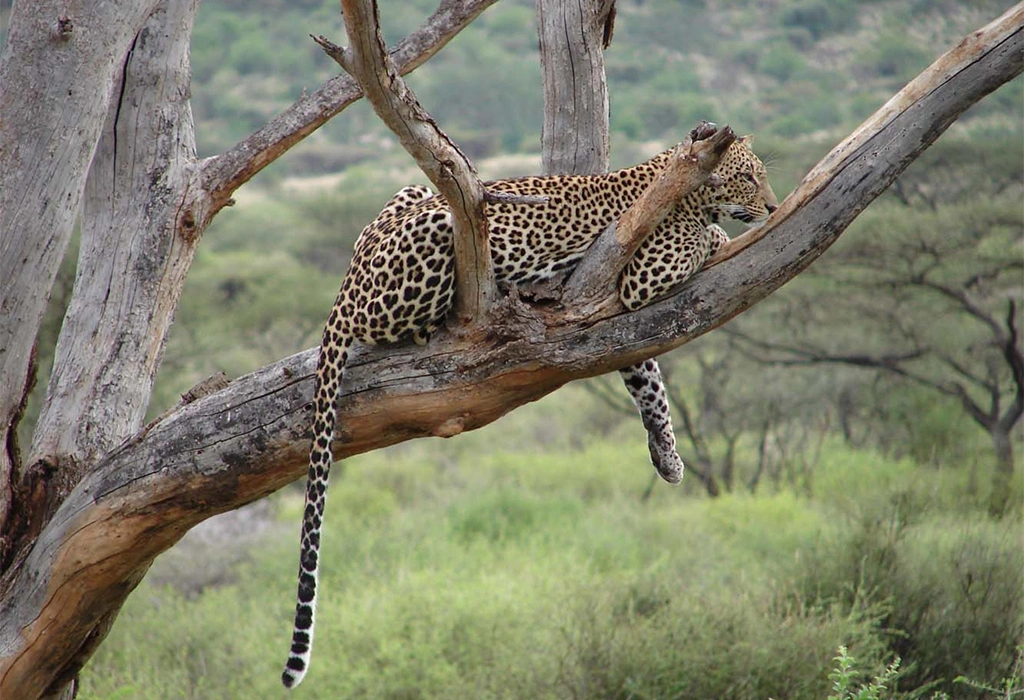 Samburu National Park, often called Kenya’s leopard capital, offers unmatched opportunities for leopard sightings. The park’s rugged terrain, rocky outcrops, and riverine vegetation provide a perfect habitat for leopards. These cats frequently bask on the rocks or hide in the thick bushes near the Ewaso Ng’iro River. Samburu’s smaller size allows for more focused game drives, increasing your chances of encountering leopards. The park’s guides have deep knowledge of leopard territories, ensuring productive safaris. Visitors can also enjoy the striking scenery and cultural interactions with the Samburu people, making this destination truly special.