
Top places to encounter Lions in Kenya
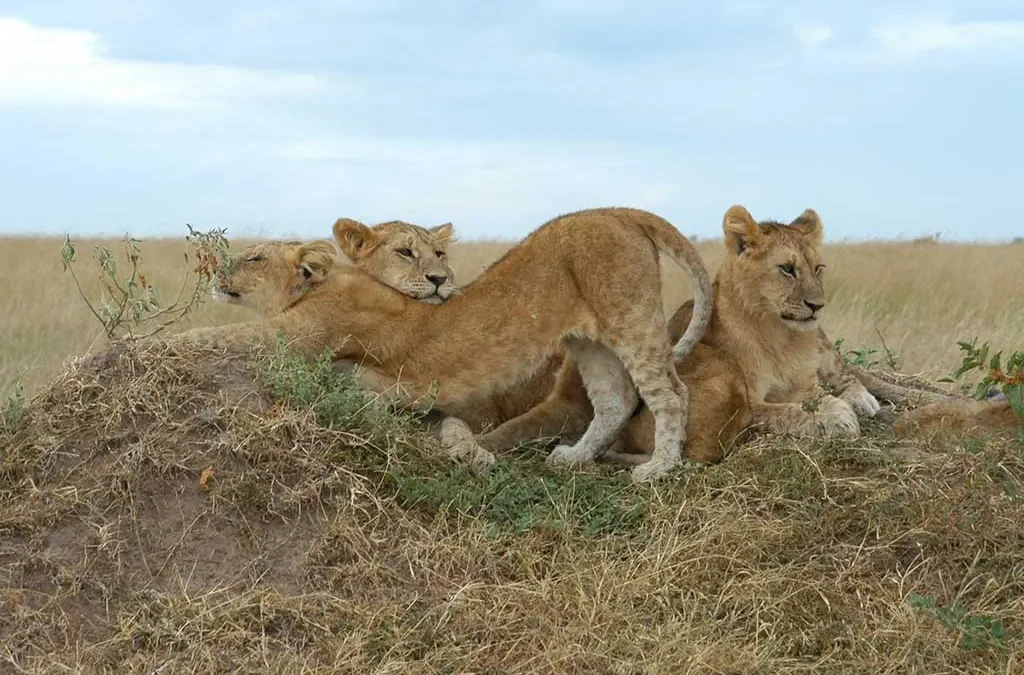
Kenya ranks among the best places in the world to see lions. The Swahili word for lion, “Simba,” reflects the majesty of this predator. Travelers can enjoy thrilling lion sightings in several national parks, reserves, and conservancies. The Masai Mara National Reserve stands out as a top location. This reserve hosts a thriving lion population and the famous Great Migration. Here, large prides roam the savannah, making lion sightings almost certain.
In Tsavo East and Tsavo West National Parks, you can spot the unique “maneless lions.” These lions have adapted to the region’s harsh climate. Nairobi National Park offers another unique experience. You can watch lions with the city’s skyline as the backdrop. This proximity makes the park ideal for short safaris near Nairobi.
For a more off-the-beaten-path experience, visit Meru National Park and Kora National Park. These parks offer wild landscapes and fewer crowds. Samburu National Reserve and Lewa Wildlife Conservancy also provide excellent opportunities. Here, lions share their territory with elephants, cheetahs, and rare Grevy’s zebras. Each of these destinations provides a different landscape and experience, making lion safaris diverse and exciting.
How to Book a Kenya Safari for Lion Sightings
Booking a safari to see lions in Kenya requires careful planning. Start by choosing your travel dates. After that, contact us to check service availability for your preferred dates. We will then create a detailed draft itinerary based on your interests. This itinerary will cover key aspects like transport, activities, and accommodation options.
Once you approve the itinerary, we’ll send an invoice for a deposit to secure your safari. After receiving your payment, we will finalize all the bookings for your adventure. To avoid missing out, book your safari 2-3 months in advance. This timeframe is crucial, especially during peak season, which runs from June to October. During this period, wildlife sightings reach their peak, and lodges fill up quickly.
Plan your safari with flexibility. Let us know your budget, preferred parks, and interests. Whether you want a family trip or a romantic getaway, we will customize your experience. From short safaris to week-long adventures, we can cater to different preferences.
Entry Requirements for Kenya Safari Travelers
All travelers need a tourist visa to enter Kenya. You can obtain the visa on arrival, but applying online beforehand makes the process smoother. The online application system makes it easy and efficient. Currently, the Kenya Tourist Visa costs USD 51. Processing the visa before departure helps avoid any last-minute stress.
Before traveling, check for other entry requirements. Some travelers need proof of yellow fever vaccination, depending on their country of origin. COVID-19 guidelines may also apply, so stay updated with current health protocols. Ensure that your passport remains valid for at least six months from your entry date. Having all documents in order will ensure a hassle-free arrival in Kenya.
Where to Stay for Prime Lion Encounters
Kenya offers a wide range of accommodations near lion habitats. Whether you seek budget-friendly options, mid-range lodges, or luxury resorts, choices abound. For the Masai Mara, luxury tented camps offer the best experience. These camps provide proximity to lion territories and ensure comfort in the wild. Some lodges even offer private safari guides for exclusive game drives.
In Tsavo East and Tsavo West, comfortable mid-range lodges sit within the parks. These lodges offer great value and immerse you in nature. For a touch of adventure, budget-friendly campsites allow you to sleep under the stars.
In Nairobi National Park, accommodations vary from hotels in the city to lodges near the park’s entrance. Samburu National Reserve and Lewa Wildlife Conservancy offer intimate luxury lodges and eco-camps. Staying in these areas ensures close encounters with lions and other wildlife.
We can help you select the perfect accommodation based on your budget and preferences. Each option promises unique experiences, from guided safaris to cultural interactions.
Best Time for Lion Sightings in Kenya
You can see lions in Kenya throughout the year. However, the dry seasons offer the best conditions for sightings. The dry seasons run from December to February and June to October. During these months, wildlife gathers around water sources, making lions easier to find. The dry conditions also offer clear skies, perfect for photography.
In the Masai Mara, the Great Migration peaks between July and September. During this period, lions often hunt migrating wildebeest and zebra. This dramatic spectacle provides incredible photo opportunities. In Tsavo, the dry seasons also increase lion activity, as prey congregates near waterholes.
The wet seasons, from March to May and November, bring lush scenery and fewer tourists. While lions remain active, dense vegetation makes sightings less predictable. Some roads may also become difficult to navigate. However, if you enjoy green landscapes and fewer crowds, the wet season can still offer rewarding experiences.
Why Kenya is a Top Destination for Lion Safaris
Kenya’s rich ecosystems make it a prime destination for lion safaris. Each park and reserve offers a unique blend of wildlife, scenery, and culture. The country’s diverse landscapes—from open savannahs to rugged hills—provide perfect lion habitats. This diversity ensures that every safari feels different.
The Masai Mara remains a classic choice, known for its high density of lions and dramatic hunts. The Tsavo Parks offer a wilder, more rugged experience with unique lions. Nairobi National Park allows you to enjoy a quick safari near the city. In Samburu and Lewa, the combination of rare wildlife and stunning landscapes enhances the adventure.
Kenya also excels in conservation efforts. Many lodges and conservancies actively protect lion populations and their habitats. Visiting these places supports ongoing conservation and community projects. By choosing Kenya, you contribute to preserving these iconic animals for future generations.
From well-organized safaris to stunning landscapes, Kenya delivers unforgettable lion encounters. Whether you are a first-time traveler or a seasoned safari-goer, the country offers something special for everyone.