
The Best Time to Visit Amboseli National Park
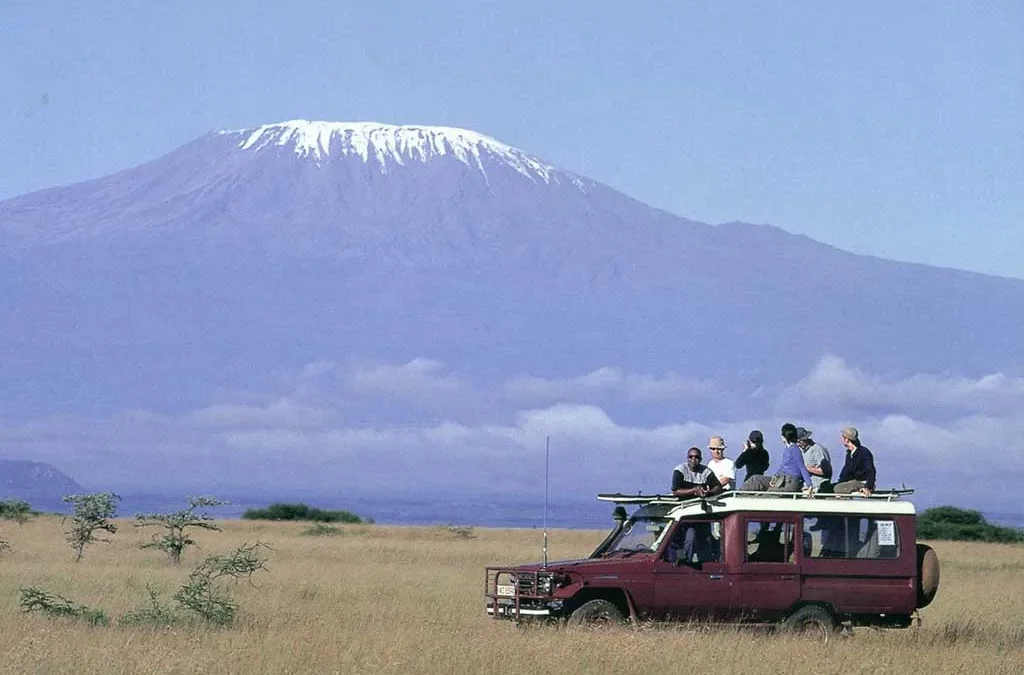
Amboseli National Park, located in southern Kenya, is famous for its large herds of elephants and views of Mount Kilimanjaro in Tanzania. Observation Hill offers a perfect vantage point to take in the panoramic views of Kilimanjaro, the park’s wide plains, and lush swamps. Besides elephants, the park hosts giraffes, zebras, cheetahs, and hundreds of bird species. Its western side features Lake Amboseli, a vast body of water that dries up during the dry season.
Amboseli National Park is open all year, but the dry season is the best time to visit. The park, situated near Kilimanjaro, derives its name from a Maasai word that means “salty dry place.” Known for having the largest elephant population in Kenya, Amboseli also has forested swamps fenced to keep elephants away, allowing vegetation to regenerate.
Visiting Amboseli During the Dry Season
The dry season is ideal for a safari in Amboseli as wildlife is easier to spot. Although it’s the dry season, occasional light rains may still occur due to Amboseli’s proximity to the equator, which brings changing weather patterns. Here are some reasons why the dry season is preferred by many travelers:
- Abundant Wildlife: Animals gather around water sources, making it easier to spot them during the dry months.
- Meeting Fellow Tourists: The park attracts many visitors, allowing for interaction with other tourists.
- More Activities: Game drives, cultural tours, walking safaris, and nature trips are more enjoyable in the dry season than during rainy periods.
However, there are some downsides to visiting during the dry season:
- Higher Costs: Travel costs, including accommodation and transport, are generally higher during the peak season.
- Crowded: If you prefer solitude, the high number of tourists in the dry season might not suit you.
- Heat: The temperatures can be high during both day and night.
Monthly Guide to Amboseli’s Weather
December to February
This period marks the short dry season in Amboseli, which is an excellent time for game drives. Wildlife gathers around water sources, and the thinner vegetation makes it easier to spot animals. This period is both a peak and holiday season, so it’s advisable to book in advance, as travel costs are high due to the influx of tourists.
March to May
The rainy season starts in March, bringing showers and sunny intervals. Temperatures can rise up to 28°C, with April and May being the wettest months. Traveling during this time might not be ideal, as some lodges close, and the rain can make safari activities difficult.
June to October
The long dry season from June to October is considered the best time to visit Amboseli. The weather is generally sunny and dry, although nighttime temperatures may drop to around 15°C. This period is also peak season, so it’s recommended to book early. However, if you’re on a budget or prefer fewer crowds, this season might not be ideal.
November
November sees the short rainy season, which sometimes begins as early as late October and continues through November. Rainstorms can occur at any time, though there is usually sunshine as well. November is an excellent month for bird-watching and photography safaris.
Activities to Enjoy in Amboseli National Park
Both the dry and wet seasons offer unique activities to visitors.
Game Drives
Game drives are best during the dry season and usually take place twice a day: once in the morning and again in the afternoon after lunch. These drives are organized using comfortable safari vehicles, offering the best chance to spot animals such as elephants, crocodiles, antelopes, zebras, and hippos.
Bird Watching
Bird-watching is especially popular during the wet season. Amboseli is home to over 420 bird species, including the African swamphen, greater flamingo, pangani long claw, lesser flamingo, Rufous-bellied heron, Eurasian thick-knee, common redshank, Hartlaub’s bustard, Taveta golden weaver, white-bellied go-away bird, and yellow-necked spurfowl.
Cultural Walks
A visit to the Maasai villages is a unique way to experience local culture. These guided tours allow tourists to learn about the Maasai through their songs, dances, traditional foods, and customs. Visitors can also purchase handcrafted souvenirs, witness the Maasai’s famous jumping dance, and learn about their hunting techniques.
Accommodation Options in Amboseli National Park
Amboseli National Park offers a range of accommodations to fit different budgets. Options include budget, mid-range, and luxury lodges and camps, which are generally open year-round unless undergoing renovations. Some recommended accommodations include Kibo Safari Camp, Amboseli Serena Safari Lodge, Ol Tukai Lodge, Tortilis Camp, Tawi Camp, Kilimanjaro Cottages Amboseli, Nyati Camp Amboseli, Ol Donyo Lodge, The Red House, Sasaab, Tulia Amboseli Safari Camp, and Uzima Cottages Amboseli.
Getting to Amboseli National Park
There are two main ways to reach Amboseli National Park: by road or by air.
- By Air: Tourists can fly from Kilimanjaro International Airport or Wilson Airport to Amboseli using domestic chartered flights, which are easy to arrange and book through a reputable tour operator like Iconic Africa Safaris. Domestic airlines that operate flights to Amboseli include Safari Link, Air Kenya, and Mombasa Air Safari. It’s advisable to book these charter flights in advance to ensure availability.
- By Road: Travelers can also access Amboseli National Park by road, which offers scenic views of the Kenyan countryside. There are two main routes:
- From Nairobi: The drive from Nairobi to Amboseli’s Meshanani Gate, along the Namanga Road, is approximately 240 kilometers and takes about three hours.
- From Mombasa: Driving from Mombasa to the Remito Gate is about 228 kilometers and typically takes around two and a half hours.
Road journeys are best made in a 4×4 WD safari vehicle, which provides a comfortable and safe ride through the rugged terrain and allows visitors to enjoy the beautiful scenery along the way.
Key Takeaways
Amboseli National Park is a beautiful year-round destination, but each season has its own charm. The dry season from June to October offers the best wildlife viewing and a variety of safari activities, though it’s also the most crowded and expensive time. For bird enthusiasts, the rainy season from November to May is perfect for spotting a wide range of species, even if some safari activities may be limited due to weather.
Whether exploring through game drives, cultural tours, or bird-watching, Amboseli provides a unique safari experience with stunning landscapes and diverse wildlife. With proper planning, travelers can maximize their time in this magnificent park, enjoying breathtaking views of Mount Kilimanjaro and close encounters with iconic African wildlife.