
Exploring the Culture & People of Kisoro District
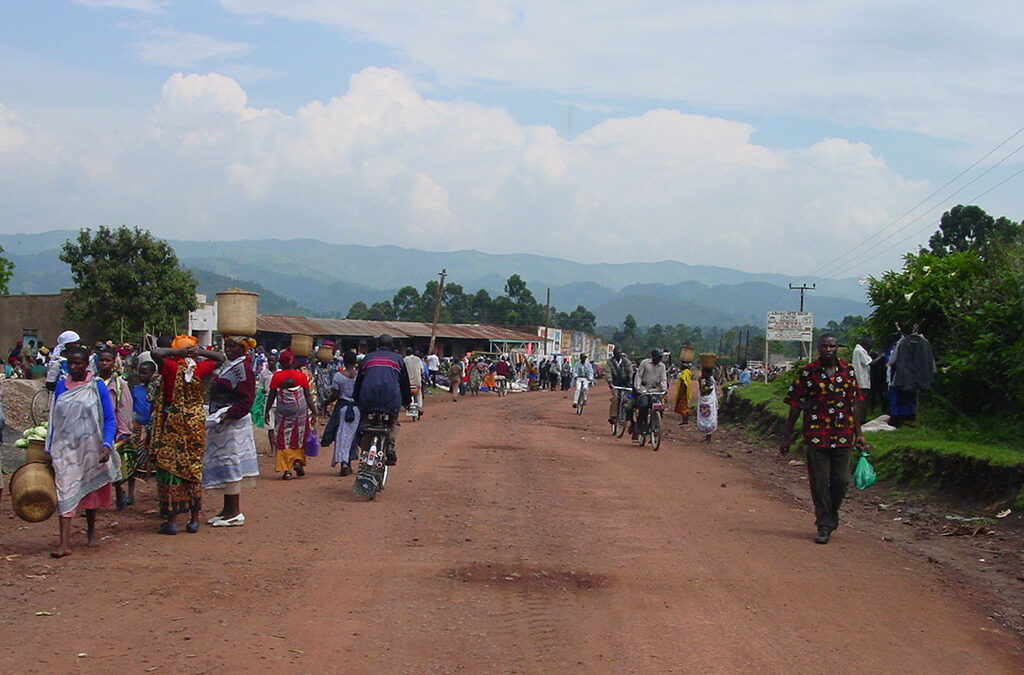
Kisoro district is in the far southwestern corner of Uganda, near the borders of Rwanda and the Democratic Republic of the Congo. It is roughly the size of a small county in the United States and has a population of over 250,000 people. The area is mountainous, with an average elevation of about 1,890 meters above sea level.
The majority of the people in Kisoro are the Bafumbira. This group migrated from Rwanda around 1900. Though their language is similar to Rwandans, it is distinguished by a different accent.
Traveling from Kabale to Kisoro takes about half an hour, covering a distance of 78 kilometers. From Kampala, the capital of Uganda, the journey to Kisoro is 485 kilometers, which takes about 8 to 9 hours by car, depending on the number of stops along the way.
The landscape of Kisoro is lush, green, and rugged, dominated by the stunning Mufumbiro Mountains. These mountains include both inactive and active volcanoes. Most of the people in Kisoro are very poor and earn their living by farming. The main crops grown in the area are beans, Irish potatoes, corn, and sorghum.
The people of Kisoro District are known for their hospitality. Like in other parts of Uganda, they are very welcoming to visitors. Kisoro has a rich culture that can be experienced by interacting with the local communities. Iconic Africa Safaris organizes visits to these communities. Visitors can share a meal and even spend a night at a local’s home, offering a unique opportunity to experience the daily life and culture of the people in Kisoro.
The Bafumbira People in Kisoro
The main tribe in Kisoro is the Bafumbira, who speak Rufumbira, a language very similar to Runyarwanda spoken in Rwanda. The Bafumbira and people in Rwanda share many cultural similarities. Another small tribe in Kisoro is the Batwa, making up about 0.2% of the population. The Batwa are believed to be the earliest inhabitants of the Bwindi Forest and Mgahinga area. They also live in a few other districts and in countries like Burundi, Rwanda, and DR-Congo.
The Bafumbira people in Kisoro are descendants of Rwandese immigrants. Rufumbira is about 90% similar to Kinyarwanda, the national language of Rwanda. The close cultures and traditions of the Bafumbira in Kisoro and the Banyarwanda in Rwanda have caused some confusion between the two languages. Traditionally, the people of Kisoro dress in bright skirts, wraps, and headscarves.
Originally, the Ugandan government considered the people of Kisoro District (Bafumbira) as part of the Banyarwanda group until the 1995 constitution recognized the Bafumbira as their own tribe. The Bafumbira have lived in the Kisoro area, near the borders of Rwanda and DR-Congo, for a long time. Many Bafumbira people came about through intermarriages with Rwandese people.
Kisoro has rich volcanic soils on the slopes of Bwindi Forest and the Muhavura/Mufumbiro Mountains. The staple foods for the Bafumbira in Kisoro are potatoes, beans, and sorghum, which they use to make various drinks and dishes. They also make posho from maize flour.
As the population in Kisoro grows, there is increasing pressure on the land. This has led to the land being divided into smaller and less fertile plots. Because of land scarcity, many people from Kisoro have moved to other districts with better soils for farming. This population growth and land scarcity have become less severe over time.
In the past, children in Kisoro relied on their parents to provide for them, but not all parents have enough land to divide among their children. This is a big problem for many people in Kisoro who haven’t had the chance to go to school and depend solely on farming.
Like most Ugandan groups, people of Kisoro District share meals from a common plate as a symbol of love and harmony. The head of the family sits on a special stool, and if he is not present, his oldest son takes his place. The elderly in Kisoro have always known peace in their area. The different groups of people live together peacefully and often welcome refugees from nearby regions.
In summary, the Bafumbira are the main tribe in Kisoro, speaking a language close to Kinyarwanda and sharing similar cultural traits. The Batwa, a smaller tribe, are the earliest known inhabitants of the region. The Bafumbira were recognized as a distinct tribe in Uganda in 1995. Kisoro faces challenges like land scarcity due to population growth, causing some people to migrate to other districts. Despite these challenges, the people of Kisoro maintain strong family traditions and live harmoniously with their neighbors.