
The cheapest way to see Mountain Gorillas in Uganda
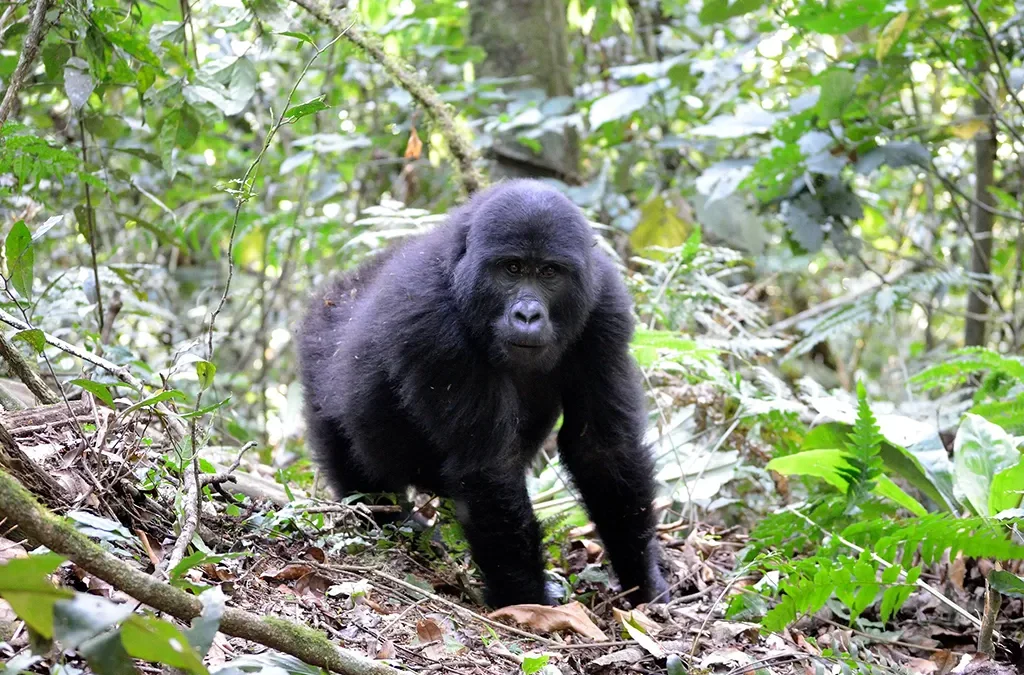
The cheapest way to see mountain gorillas in Uganda is to consider various budget-friendly options while planning your trip. Gorilla trekking is a highly sought-after activity, offering travelers an incredible opportunity to hike through Bwindi or Mgahinga National Parks and encounter these magnificent creatures in their natural habitat. Although the cost of a gorilla permit in Uganda is $800—higher than the $400 permit in Congo and lower than the $1,500 in Rwanda—there are ways to reduce expenses. Travelers can save by choosing lower-cost accommodations, traveling during the off-peak season, or participating in group treks, which can help distribute costs. Exploring the cheapest way to see mountain gorillas options can make this unforgettable experience more accessible.
Tips for Affordably Seeing Gorillas
Target Low Season: Planning your gorilla trek during the low season months of March to May and October to November can save you money. During these times, hotels, camps, and lodges often lower their prices, and tourism authorities may offer discounts.
Opt for Budget Accommodation: Besides the permit cost, accommodation expenses can drive up the overall trip cost. Choosing budget-friendly accommodation can make your trek more affordable. Look for places that offer basic amenities like en-suite bathrooms, mosquito nets, and a clean environment.
Use Public Transportation: Hiring a private vehicle and driver for your gorilla trek can be expensive. Instead, consider using public transportation to reach towns near the trekking areas, such as Kabale and Kisoro in Uganda, or Musanze in Rwanda. From there, you can easily hire a vehicle and driver for the trekking day, significantly reducing costs.
Join a Group Tour: Joining a group gorilla trekking tour allows you to share the costs with others, making it more economical. Several tour operators offer scheduled group tours to Bwindi in Uganda and Volcanoes National Park in Rwanda. Joining one of these tours can be a cost-effective way to see gorillas in their natural habitat.
Essential Packing List for Gorilla Trekking in Uganda
Facemasks and Hand Sanitizer
Every trekker must bring facemasks and hand sanitizer. Gorillas share a lot of genetic material with humans, which means they can catch diseases from us. To reduce this risk, it’s important to wear facemasks and stay at least 10 meters away from the gorillas. You only need to wear the mask when you’re with the gorillas, not during the hike. So pack eco-friendly facemasks and hand sanitizer.
Lightweight Waterproof Jacket
Rain can be sudden and heavy in Bwindi Impenetrable Forest, so it’s essential to pack a lightweight waterproof jacket. Hiking in wet clothes is uncomfortable, so having a jacket will keep you dry and comfortable during your trek.
Protective Clothing
Wear trousers, a long-sleeved shirt, and longer socks to protect yourself from the jungle’s harsh elements. Tuck your trousers into your socks to prevent bugs from crawling up your legs. Choose light-colored clothing to blend in with the surroundings, and avoid camouflage patterns, which are illegal in Uganda and Rwanda.
Hiking Gloves
Pack a pair of hiking gloves to protect your hands from dirt, prickles, and insects. Gloves will also provide grip when navigating steep slopes and dense vegetation during your trek.
Waterproof Hiking Boots
Invest in a sturdy pair of waterproof hiking boots with good ankle support. The jungle floor is uneven and muddy, so proper footwear is essential for a comfortable and safe trekking experience.
Insect Repellent
Bring insect repellent to ward off bugs and mosquitoes, especially in a tropical rainforest environment. Apply repellent to exposed skin and clothing to avoid bites and discomfort during your trek.
Energy-Giving Snacks
Carry energy-boosting snacks like energy bars and plenty of water to sustain your energy levels during the trek. While trekking, you may need a quick snack to keep you going until you reach your destination.
Biodegradable Tissue or Toilet Paper
Nature calls, even in the jungle. Pack biodegradable tissue or toilet paper to maintain hygiene during your trek. Proper waste disposal is crucial to preserve the natural environment.
Waterproof Backpack and Extra Batteries
Protect your belongings, including cameras and electronics, from rain and moisture by packing them in a waterproof backpack or ziplock bag. Bring extra batteries and memory cards for your camera to capture unforgettable moments during the trek.
Trekking Poles or Hiking Staff
Consider bringing trekking poles or a hiking staff to improve stability and reduce strain on your knees during the trek. These tools can also provide support on steep terrain and help distribute weight more evenly, making your trek more comfortable and enjoyable.