
Discovering the Best Rwanda Safari Destinations
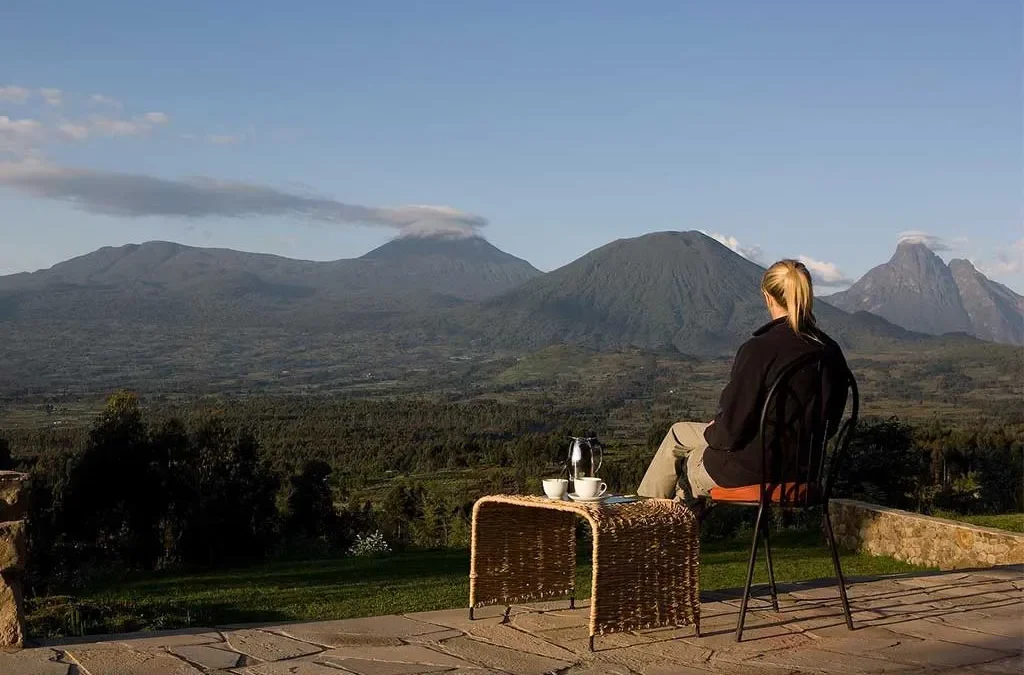
Embarking on a Rwanda safari promises an unforgettable experience, where incredible wildlife and breathtaking landscapes await exploration. This guide will delve into the exciting world of Rwanda safaris, discussing prime locations, the diverse array of animals, and the rich cultural experiences that make these journeys truly remarkable.
Unveiling Rwanda’s Safari Hotspots
1. Volcanoes National Park
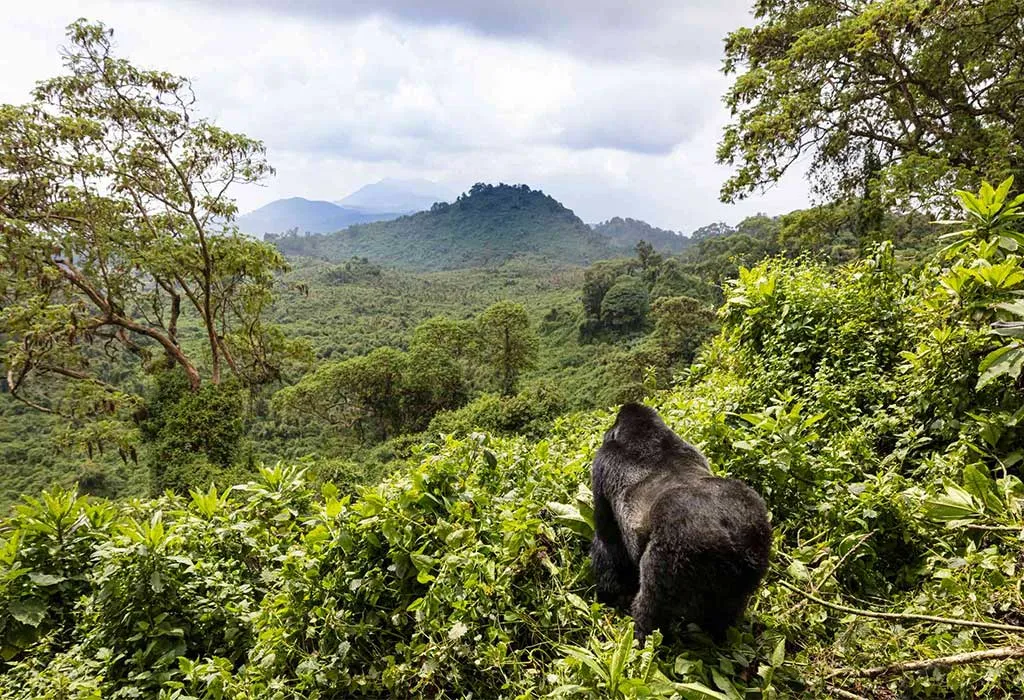
Located in the northwest of Rwanda, Volcanoes National Park stands as a sanctuary for mountain gorillas. As part of the Virunga Conservation Area, this park provides a unique opportunity for gorilla trekking. Picture yourself wandering through lush green rainforests, encountering a group of gorillas in their natural habitat—an experience that leaves you in awe of the majestic surroundings.
2. Akagera National Park
Nestled in the east of Rwanda, Akagera National Park boasts a combination of lakes, open grasslands, and forests. Renowned for its diverse wildlife, including elephants, lions, zebras, and numerous bird species, the park offers boat rides on Lake Ihema, providing a close-up look at the thriving ecosystems within.

3. Nyungwe Forest National Park
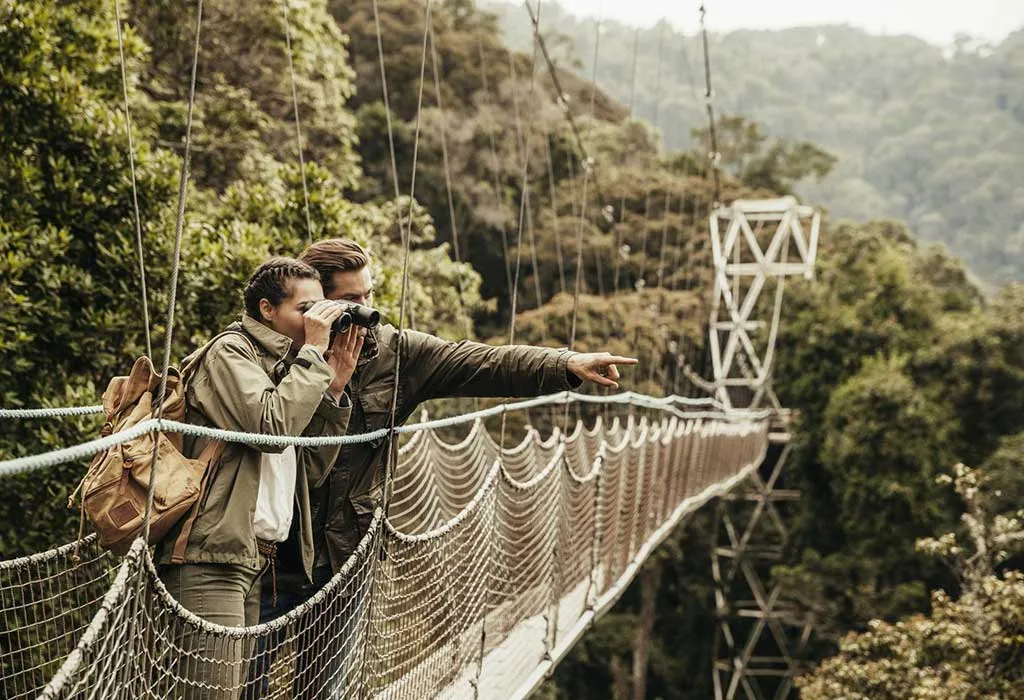
For those seeking encounters with monkeys on their Rwanda safari, Nyungwe Forest National Park in the southwest is a must-visit. Home to 13 primate species, such as chimpanzees and colobus monkeys, the park invites visitors to follow these creatures through the wild or traverse high tree paths. The lush green rainforest adds a touch of magic to the safari experience.
Wildlife Encounters Beyond the Big Five
1. Golden Monkey Trekking:
Volcanoes National Park is not only home to gorillas but also hosts the rare and endangered golden monkeys. Observing these playful creatures in the bamboo woods is a delightful and unique experience that provides valuable insights into their interactions.
2. Birdwatching Extravaganza:
Rwanda boasts over 700 bird species, making it a paradise for bird watchers. Akagera National Park and Nyungwe Forest National Park are teeming with colorful birds, such as the Rwenzori Turaco and Great Blue Turaco. Binoculars are essential for spotting these avian wonders.
3. Boat Safaris in Akagera:
The lakes and rivers of Akagera National Park offer a habitat for various water animals. A boat safari provides a different perspective, allowing visitors to witness hippos, crocodiles, and diverse bird species in their natural environment.
Cultural Experiences to Enrich Your Safari
1. Iby’iwacu Cultural Village:
Located near Volcanoes National Park, the Iby’iwacu Cultural Village offers a deep dive into Rwandan culture. Visitors can engage with local communities, participate in traditional dances, and learn about Rwandan traditions and ceremonies.

2. Genocide Memorial Sites:
Understanding Rwanda’s history and resilience involves visiting genocide memorial sites. The Kigali Genocide Memorial and other locations serve as poignant reminders of Rwanda’s tragic past and its journey towards reconciliation.

Practical Tips for an Unforgettable Safari
1. Best Time to Visit: The optimal time for safaris is from June to September and December to February. During these periods, the weather is favorable, making it easier to observe animals in their natural habitats. Rwanda’s mild climate allows for year-round travel.
2. Gorilla Trekking Permits: Secure your gorilla trekking permits in advance, as they are limited. This not only ensures the conservation of nature but also guarantees the preservation of this extraordinary experience for future generations.
3. Health and Safety: Consult with your doctor for necessary vaccinations and health safety measures before embarking on your safari. Stay safe during activities like gorilla trekking and adhere to rules to minimize environmental impact and protect the wildlife.
4. Cultural Sensitivity: Show respect for local customs and traditions. Always seek permission before taking photographs, especially in smaller towns, to ensure cultural sensitivity and positive interactions with the local community.