
Uganda Safari in January and February
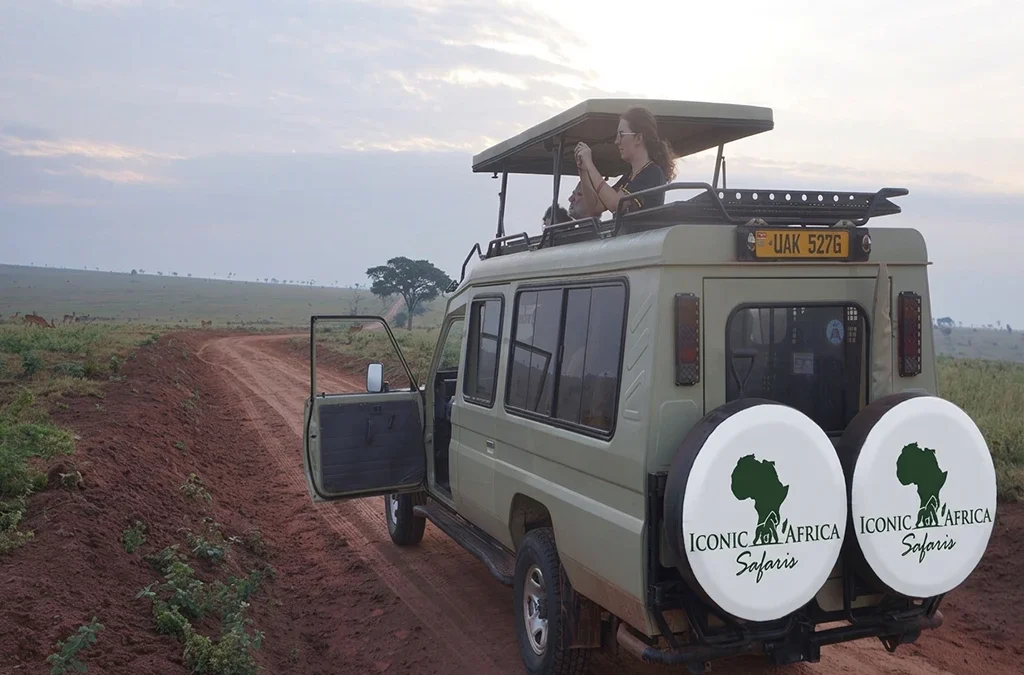
Uganda Safari in January and February: 15 Best Tours, Costs and Places to Visit
A Uganda Safari in January and February is one of the smartest ways to experience the Pearl of Africa. These two months bring generally warm days, drier trails and excellent visibility for wildlife viewing, gorilla trekking and chimpanzee tracking. Birding is superb, scenery is lush and green, and travelers can comfortably begin their journey from either Entebbe or Kampala, or across the border from Kigali, Rwanda, depending on how their itinerary is structured.
Whether you are chasing mountain gorillas in Bwindi, tracking chimpanzees in Kibale or watching tree climbing lions in Queen Elizabeth National Park, a Uganda Safari in January and February offers a rare balance of good weather, fewer crowds than the mid year peak and reliable access to nearly every major park in the country.
15 Best Uganda Safari Tours in January and February
Every traveler has different priorities, so the tours below can be adjusted around your travel style, trip length, accommodation level, primary wildlife interests and whether you prefer to start from Entebbe or from Kigali. Some focus purely on gorillas, others combine primates with classic savannah game drives, and a few are designed as relaxed, scenic add ons around Uganda’s lakes. Click on each link for itinerary details and how to book.
| Uganda Safari Tour | Starting From |
|---|---|
| 2 Day Luxury Bwindi Gorilla Safari Through Kigali | $1,800 per person |
| 3 Day Uganda Savannah Birding Safari | $1,100 per person |
| 3 Days Uganda Gorilla Tracking Adventure | $1,450 per person |
| 3 Days Big 5 and Game Drive Uganda Safari | $1,200 per person |
| 4 Day Luxury Gorilla Trekking and Lake Bunyonyi Tour | $2,800 per person |
| 4 Days Gorillas and Golden Monkey Safari | $1,720 per person |
| 5 Days Uganda Gorillas and Chimpanzees Safari | $2,260 per person |
| 5 Days Lake Mburo & Kibale Forest Safari | $1,700 per person |
| 5 Days Uganda Gorillas and Game Safari | $1,900 per person |
| 5 Days Chimp and Gorilla Habituation in Uganda | $4,600 per person |
| 5 Days Uganda Gorillas and White water Rafting at source of the Nile | $2,100 per person |
| 7 Days Uganda Discovery Luxury Safari | $4,900 per person |
| 8 Day Uganda Bird Watching & Wildlife Safari | $3,200 per person |
| 9 Day Uganda Primates & Wildlife Safari | $3,710 per person |
Uganda Safari Weather in January and February
January and February fall within one of Uganda’s two dry seasons, which makes them dependable months for trekking and game drives. Conditions do vary with altitude and region, so rain gear is still worth packing, but overall these months are considered some of the most comfortable on the calendar for a Uganda Safari in January and February.
| Month | Typical conditions | Safari experience |
|---|---|---|
| January | Generally warm and relatively dry | Excellent wildlife viewing and trekking |
| February | Warm with generally favorable safari conditions | Excellent for wildlife and primates |
| March | Increasing rainfall | Good wildlife and birding |
| April | Wetter period | Fewer visitors and greener landscapes |
| May | Wetter, improving toward month end | Good for budget conscious travelers |
| June | Drier conditions | Excellent safari conditions |
| July | Dry and popular | Excellent wildlife viewing |
| August | Dry with occasional showers | Excellent for safari and trekking |
| September | Generally dry | Excellent wildlife viewing |
| October | Mixed conditions | Good wildlife and birding |
| November | Short rains | Green scenery and good birding |
| December | Variable, festive season travel | Good safari conditions |
Uganda Gorilla Trekking Permits in January and February
Gorilla Trekking Permit Costs
Gorilla permits are the single biggest cost on most itineraries, so it helps to understand the current structure before you book. The Uganda Wildlife Authority has kept its standard gorilla trekking rate steady heading into 2027, meaning January and February travelers should expect to pay the regular season price rather than a discounted one.
| Gorilla permit category | Regular rate |
|---|---|
| Foreign Non Resident | USD 800 |
| Foreign Resident | USD 700 |
| Rest of Africa | USD 500 |
| East African Citizen | UGX 300,000 |
It is worth noting that the Uganda Wildlife Authority has reintroduced low season discounted gorilla permits, but these apply specifically to April, May and November rather than January or February. So a January or February trekker should plan around the standard rate above rather than expecting a promotional price, unless UWA announces a specific campaign for those months.
Chimpanzee Tracking Permit Costs
| Destination | Foreign Non Resident | Foreign Resident | East African Citizen |
|---|---|---|---|
| Kibale National Park | USD 250 to 300 | USD 200 | UGX 180,000 |
| Kyambura Gorge | USD 100 | USD 80 | UGX 50,000 |
Kibale’s tracking fee includes both the guide and park entrance, while Kyambura’s fee excludes park entrance and is billed separately. Chimpanzee rates have been under review for 2027, so travelers planning a January or February trip should confirm the exact figure at the time of booking rather than relying on older published tariffs.
Golden Monkey Trekking Permit Costs
| Activity | Foreign Non Resident | Foreign Resident | East African Citizen |
|---|---|---|---|
| Golden Monkey Tracking | USD 60 | USD 50 | UGX 40,000 |
| Golden Monkey Habituation | USD 100 | USD 80 | UGX 100,000 |
Golden monkey tracking takes place in Mgahinga Gorilla National Park and is considerably more affordable than gorilla trekking, making it a popular add on for travelers who are already heading toward the southwest for gorillas or who are combining Uganda with a Rwanda itinerary through Kisoro.
Uganda Safari from Entebbe
Entebbe International Airport is the natural starting point for most international visitors, and from here you can build a full circuit through western Uganda. Popular routes include heading north toward Murchison Falls, cutting west through Kibale and Queen Elizabeth before finishing at Bwindi, or moving directly toward Bwindi and Mgahinga in the far southwest.
Some helpful routing examples to consider when planning your own circuit:
- Entebbe to Ziwa Rhino Sanctuary, then continuing on to Murchison Falls National Park for game drives and a Nile boat cruise
- Entebbe to Kibale for chimpanzee tracking, then Queen Elizabeth for game drives, before finishing with gorilla trekking in Bwindi
- Entebbe directly to Queen Elizabeth National Park, followed by Bwindi Impenetrable Forest for mountain gorillas
- Entebbe to Lake Mburo for a relaxed wildlife stop, then onward to Bwindi for trekking
For gorilla travelers flying from Entebbe, it helps to know that scheduled flights connect to Kisoro for Bwindi’s southern sectors of Nkuringo and Rushaga, or to Kihihi for the northern sectors, with a short road transfer needed on either route.
Uganda Safari from Kigali
Kigali is an increasingly popular gateway for travelers combining Rwanda and Uganda on one trip. Crossing at Cyanika or at Katuna, also known as Gatuna, puts you within easy reach of southwestern Uganda, making Kigali a genuinely practical starting point rather than just a convenient extra stop on a longer itinerary.
From Kigali, travelers can comfortably reach:
- Bwindi Impenetrable National Park, particularly the southern sectors closest to the Rwandan border
- Mgahinga Gorilla National Park for gorillas, golden monkeys and volcano hiking
- Rushaga and Nkuringo sectors, both known for shorter transfer times from Kigali
- Lake Mutanda and Lake Bunyonyi, ideal for relaxing before or after trekking
This routing works particularly well for searches such as Uganda safari from Kigali, Kigali to Bwindi gorilla trekking, Uganda gorilla trekking from Kigali and Kigali to Mgahinga, since all of these destinations sit naturally along the same southwestern corridor.
Best Gorilla Trekking Sectors in Uganda from Different Directions
| Starting point | Recommended sector | Why |
|---|---|---|
| Entebbe or Kampala | Buhoma | Good northern approach into Bwindi |
| Entebbe or Kampala | Ruhija | Convenient eastern Bwindi approach |
| Queen Elizabeth or Ishasha | Buhoma | Natural continuation from western Queen Elizabeth |
| Kigali | Rushaga | Excellent southern approach |
| Kigali | Nkuringo | Convenient for southern Bwindi |
| Kigali | Mgahinga | Ideal when combining Uganda and Rwanda |
| Kisoro | Rushaga or Nkuringo | Shorter southern approach |
Bwindi is organized into four main sectors, Buhoma, Ruhija, Nkuringo and Rushaga, and each one suits a different approach. Rushaga and Nkuringo work especially well for travelers coming from Kigali or Kisoro, while Buhoma remains the easiest option for anyone continuing on from Queen Elizabeth National Park or from Kampala.
Best Places to Visit on a Uganda Safari in January and February
- Bwindi Impenetrable National Park: Home to roughly half the world’s remaining mountain gorillas, Bwindi also offers forest walks, birding and cultural visits with the Batwa community, making it the anchor destination for most gorilla focused itineraries in January and February.

- Mgahinga Gorilla National Park: Smaller and quieter than Bwindi, Mgahinga combines gorilla trekking with golden monkey tracking and the option to hike one of its three volcanoes, making it a rewarding stop for travelers who want more than one primate experience.
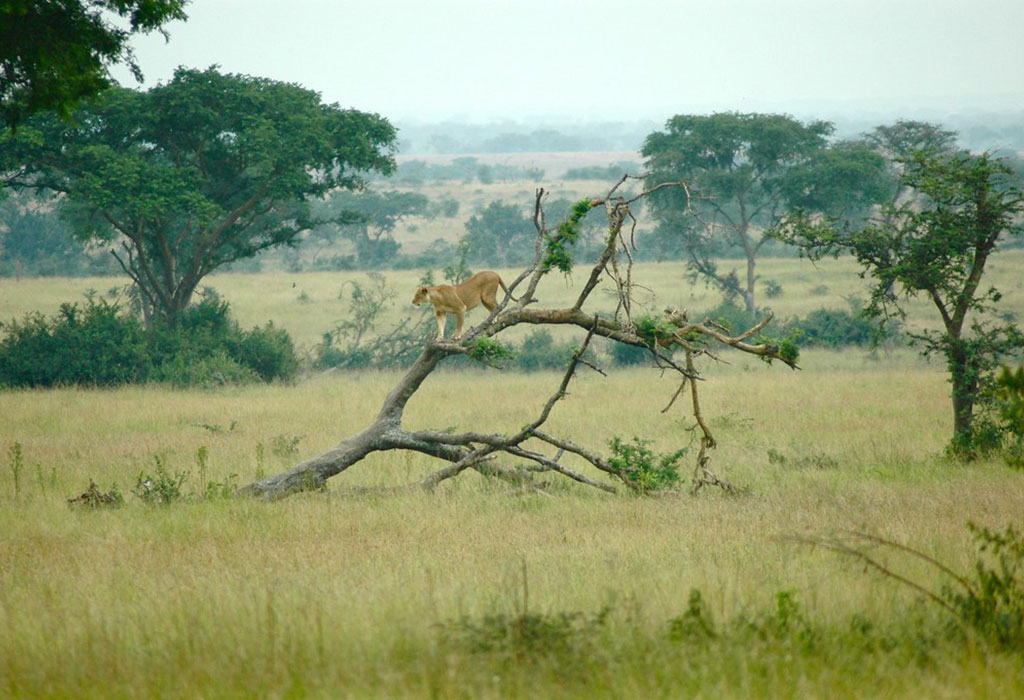
- Queen Elizabeth National Park: Known for tree climbing lions in the Ishasha sector, game drives across open savannah, boat cruises on the Kazinga Channel and chimpanzee tracking at Kyambura Gorge, this park delivers some of Uganda’s most varied wildlife viewing in one location.
- Kibale National Park: Widely regarded as the primate capital of Africa, Kibale offers reliable chimpanzee tracking and a rare chimpanzee habituation experience for travelers who want extended time observing the same troop in its natural forest environment.
- Murchison Falls National Park: Uganda’s largest national park combines dramatic scenery at the falls themselves with strong game drives, a boat cruise along the Nile and excellent birding, making it a favorite stop on longer northern circuits from Entebbe.
- Kidepo Valley National Park: Remote and rarely crowded, Kidepo rewards the extra travel time with dramatic savannah landscapes, large herds and species found nowhere else in Uganda, along with rich cultural encounters with the Karamojong community.
- Lake Mburo National Park: Uganda’s smallest savannah park is ideal for walking safaris, cycling and boat trips, with zebra, giraffe and antelope easily seen at close range, making it a convenient and relaxed stop between Entebbe and the southwest.
- Lake Bunyonyi: Known for its scenery, canoeing and small forested islands, Lake Bunyonyi is a favorite spot to unwind either before or after gorilla trekking, and it sits within easy reach of Kabale and southern Bwindi.
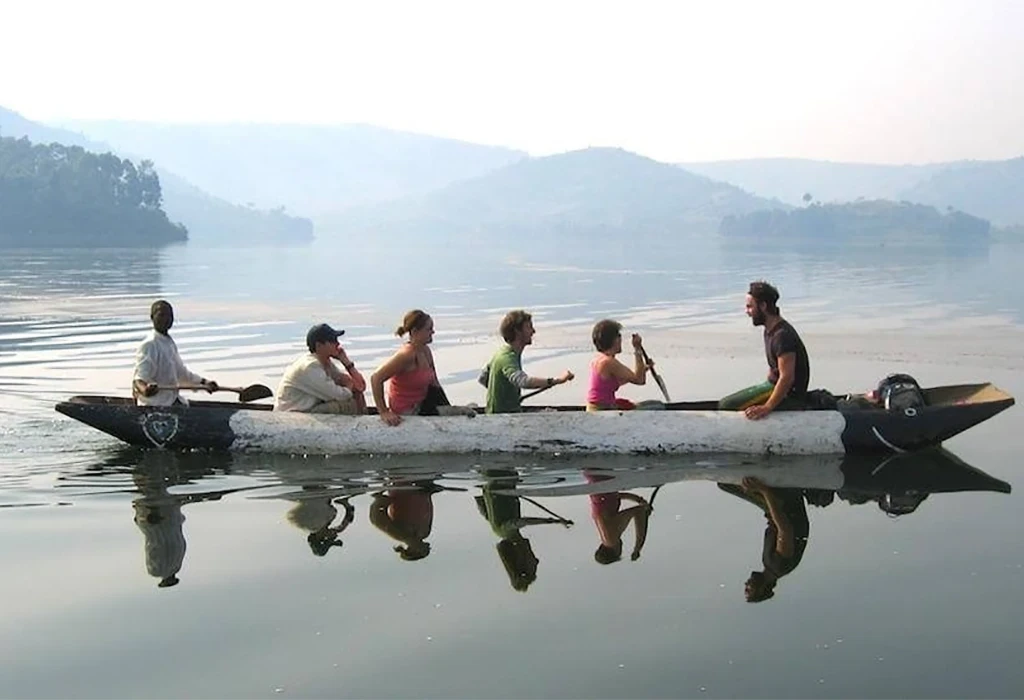
- Lake Mutanda: Framed by the Virunga volcanoes, Lake Mutanda is an excellent base near Kisoro for travelers combining gorilla trekking in Bwindi with golden monkey tracking in Mgahinga, offering relaxed canoeing and striking mountain views.
What to See on a Uganda Safari in January and February
A Uganda Safari in January and February brings you close to an exceptional range of wildlife across the country’s parks and forests, from primates in the west to classic savannah species further north and east.
- Mountain gorillas, chimpanzees and golden monkeys across Bwindi, Kibale and Mgahinga
- Lions, leopards, elephants and buffaloes across Queen Elizabeth, Murchison Falls and Kidepo
- Giraffes, hippos, zebras and antelopes across Lake Mburo, Murchison Falls and Kidepo
- Southern white rhinos at Ziwa Rhino Sanctuary, one of the few places in East Africa to see them
- Uganda’s extensive birdlife, with over one thousand species recorded across its parks and wetlands
What to Pack for a Uganda Safari in January and February
Packing sensibly makes a real difference on a trip that mixes forest trekking with open savannah game drives, so aim for layers, sturdy footwear and a few gorilla trekking specific items alongside your usual travel essentials.
- Lightweight shirts, trousers and long sleeved clothing for sun and insect protection
- Comfortable hiking trousers with waterproof hiking boots and a lighter pair of walking shoes
- Rain jacket, warm fleece or sweater, wide brimmed hat and sunglasses for changeable weather
- Sunscreen, insect repellent, personal toiletries and basic medication for general daily use
- Small daypack, reusable water bottle, binoculars and a camera with extra batteries
- Power bank, waterproof bags for electronics, passport and required travel documents
For gorilla trekking specifically, good hiking boots, waterproof clothing, gardening or work gloves for gripping vegetation, and a face mask, which UWA requires near the gorillas, are all particularly important additions to your packing list.
Best Time for a Uganda Safari
While January and February are excellent months, Uganda is genuinely a year round destination rather than a place with only one good travel window. Each season offers something different, from drier trekking conditions to quieter, greener months with fewer visitors and often better rates on accommodation and permits.
This is useful to know if you are also researching the best time for Uganda safari, Uganda safari dry season, Uganda safari rainy season or the best time for gorilla trekking in Uganda, since the answer often depends more on your priorities than on any single ideal month.
Frequently Asked Questions
Is January a good month for a Uganda safari?
Yes, January falls within Uganda’s dry season and offers generally good trekking and game viewing conditions, along with reliable access to most parks and gorilla sectors across the country.
Is February a good month for a Uganda safari?
February remains warm and largely dry, making it another strong option for a Uganda Safari in January and February, particularly for gorilla trekking, chimpanzee tracking and open savannah game drives.
Is January or February better for gorilla trekking?
Both months offer similar conditions, so the choice usually comes down to availability of permits and accommodation rather than any significant difference in weather or trekking difficulty between the two.
How much does a Uganda Safari in January and February cost?
Costs vary widely depending on trip length, accommodation level and activities included, with gorilla permits, chimpanzee permits and park entrance fees forming the largest fixed costs on most itineraries.
How much is a gorilla permit in Uganda?
The standard rate is USD 800 for foreign non residents and USD 700 for foreign residents, with a reduced rate of USD 500 for other African nationals and UGX 300,000 for East African citizens.
Are there discounted gorilla permits in January and February?
Not currently. UWA’s reintroduced low season discount applies specifically to April, May and November, so January and February travelers should budget for the standard permit rate rather than a promotional one.
How much is chimpanzee trekking in Uganda?
Kibale National Park charges around USD 250 to 300 for foreign non residents, while Kyambura Gorge is significantly cheaper at around USD 100, though rates should be confirmed at the time of booking.
How much is golden monkey trekking in Uganda?
Golden monkey tracking in Mgahinga costs USD 60 for foreign non residents, with the extended habituation experience priced at USD 100, making it an affordable addition to a gorilla focused itinerary.
Can I start a Uganda safari from Kigali?
Yes, Kigali is a practical starting point for southwestern Uganda, with border crossings at Cyanika and Katuna providing direct access to Bwindi, Mgahinga and the surrounding lakes.
Can I travel from Entebbe to Bwindi for gorilla trekking?
Yes, scheduled flights connect Entebbe to Kisoro for southern Bwindi sectors or to Kihihi for northern sectors, both followed by a short road transfer to your lodge.
Which Bwindi sector is best from Kigali?
Rushaga and Nkuringo are generally the most convenient sectors for travelers coming from Kigali, thanks to their shorter transfer times from the Rwandan border compared to Buhoma or Ruhija.
Which gorilla sector is best from Queen Elizabeth National Park?
Buhoma is typically the most natural continuation for travelers coming from Queen Elizabeth, since it sits closer to the park’s southern boundary than Bwindi’s other sectors.
What should I pack for a Uganda Safari in January and February?
Pack layered clothing, sturdy hiking boots, rain protection, a hat and sunscreen, along with gloves and a face mask if you plan to trek gorillas during your trip.
Can I combine gorilla trekking with wildlife safari?
Absolutely. Most itineraries combine gorilla or chimpanzee trekking with classic savannah game drives in parks like Queen Elizabeth or Murchison Falls, giving travelers both primates and big game on one trip.
Book Your Uganda Safari in January and February
Ready to plan your own Uganda Safari in January and February? You can book with Iconic Africa Safaris through the online booking form, by sending a direct email to info@iconicafricasafaris.com, or by tapping the WhatsApp icon hovering on the bottom right hand side of your screen.