
Gorilla Trekking in Uganda & Rwanda
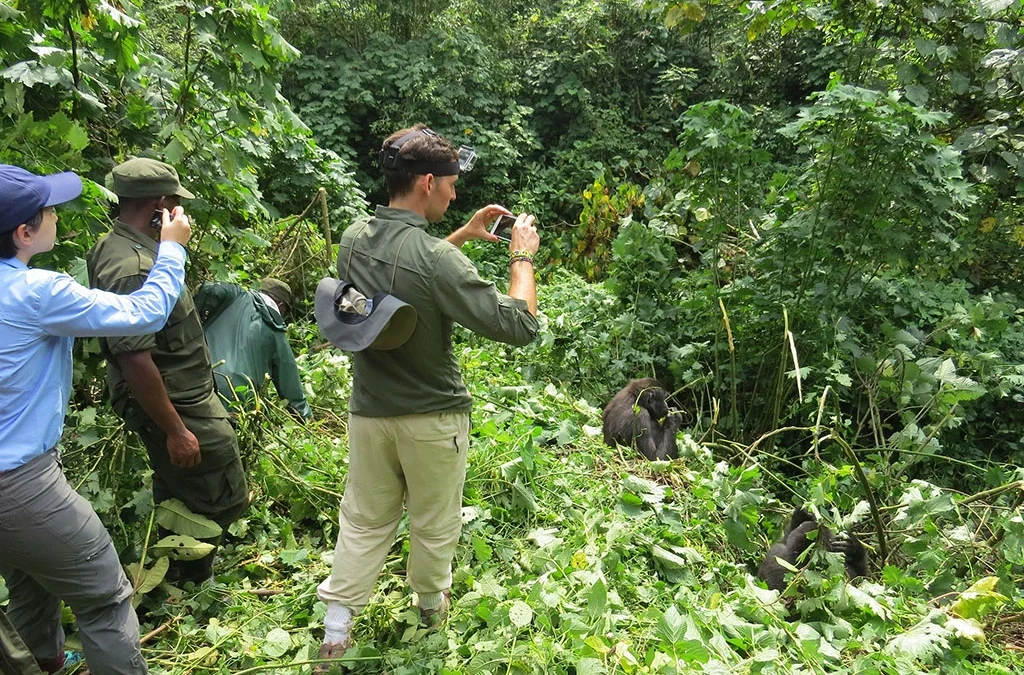
Gorilla Trekking in Uganda & Rwanda: 2026/2027 Itineraries & Cost
If you are comparing gorilla trekking in Uganda & Rwanda in 2026/2027, Uganda is generally the better-value choice, while Rwanda offers shorter access from Kigali and a more compact trekking experience. Your total cost depends on the gorilla permit, number of days, accommodation, transport, meals, and activities. Iconic Africa Safaris plans your trip around your dates and budget, secures the required permits, arranges accommodation and private 4×4 transport, and coordinates your journey from arrival to departure.
Uganda Gorilla Trekking Itineraries and Costs
Uganda Gorilla Safaris with Pick up from Entebbe
- 3-Day Gorilla Trekking in Uganda (From $1450 Per Person)
- 3-Day Fly-in Gorilla Trekking in Uganda (From $2,100 Per Person)
- 3-Day Luxury Gorilla Trekking in Uganda (From $1,820 Per Person)
- 3-Day Fly-in Uganda Gorilla Habituation Experience (From $3,450 Per Person)
- 4-Day Bwindi Double Gorilla Trekking Safari(From $2,750 Per Person)
- 4-Day Gorillas and Golden Monkey Safari in Uganda (From $1,950 Per Person)
- 4-Day Luxury Gorilla and Lake Bunyonyi Safari in Uganda (From 3,400 Per Person)
- 5-Day Gorilla and Chimpanzee Trekking in Uganda (From $2,020 Per Person)
- 5-Day Uganda Gorilla and Game Safari (From $1,794 Per Person)
- 7-Day Uganda Gorilla, Chimps and Game Safari (From $2,530 Per Person)
- 9-Day Uganda Primates and Game Safari (From $3,150 Per Person)
- 11-Day Uganda Gorilla, Chimps and Game Safari (From $3,640 Per Person)
Uganda Gorilla Safaris with Pick up from Kigali
- 2-Day Bwindi Gorilla Safari through Kigali (From $1,300 Per Person)
- 3-Day Gorilla Trekking in Uganda through Kigali (From $1,450 Per Person)
- 3-Day Uganda Gorilla Habituation through Kigali (From 2,550 Per Person)
- 4-Day Uganda Gorillas and Golden Monkeys from Kigali (From $1,750 Per Person)
- 5-Day Uganda Gorilla and Game Safari through Kigali (From $2,385 Per Person)
- 5-Day Uganda Gorillas and Chimp Safaris through Kigali (From $2,435 Per Person)
Rwanda Gorilla Trekking Itineraries and Costs
- 1-Day Gorilla Trekking in Rwanda (From $1,900 Per Person)
- 2-Day Gorilla Trekking in Rwanda (From $2,050 Per Person)
- 3-Day Rwanda Gorilla Trekking Safari (From $2,200 Per Person)
- 4-Day Double Gorilla Trekking in Rwanda (From 4,200 Per Person)
- 7-Day Rwanda Gorillas and Chimpanzees (From 4,500 Per Person)
- 7-Day Bwindi Gorillas, Nyungwe Chimps and Akagera Safari (From $4,960 Per Person)
Uganda Gorilla Trekking Permit Cost: Peak vs Discounted
The Uganda gorilla trekking permit cost is the most important figure to understand when planning a trek in Bwindi Impenetrable National Park or Mgahinga Gorilla National Park.
The permit gives you access to the guided gorilla trekking experience and is therefore a mandatory part of the safari. Uganda’s permit structure also creates an opportunity to reduce the cost when travelling during eligible discounted periods.
Uganda Gorilla Permit Prices
| Visitor category | Peak rate | Discounted rate |
|---|---|---|
| Foreign non-resident | US$800 | US$600 |
| Foreign resident | US$700 | US$500 |
| African citizen outside East Africa | US$500 | Not Applicable |
| East African citizen | UGX 250,000 | Not Applicable |
The discounted Uganda rates shown above apply during April, May and November. Foreign non-residents therefore save US$200 per permit when travelling during those periods.
If you are planning a budget gorilla trekking safari in Uganda, travelling during an eligible discounted period can make a meaningful difference. The saving becomes more significant when two or more people are travelling together.
Uganda Gorilla Habituation Experience Cost
Uganda also offers the Gorilla Habituation Experience, which provides a longer encounter with gorillas than standard trekking. The experience allows visitors to spend up to four hours with a gorilla family undergoing habituation.
The permit currently costs US$1,500 per person and will shift to $1800 from 1st January,2027. It is therefore considerably more expensive than the standard gorilla trekking permit, but it provides a different type of experience for travelers seeking additional time with the gorillas.
Rwanda Gorilla Trekking Permit Cost
The Rwanda gorilla trekking permit cost is higher than Uganda’s standard foreign non-resident permit. Rwanda’s gorilla trekking takes place in Volcanoes National Park, which is close to Kigali compared with Uganda’s longer road journey from Entebbe.
Rwanda Gorilla Permit Prices
| Visitor category | Permit cost |
|---|---|
| Foreign non-resident | US$1,500 |
| Foreign resident | US$500 |
| African citizen outside East Africa | US$500 |
| East African citizen | US$200 |
The permit prices above are those used for this article. Rwanda’s permit fee covers access to the gorilla trekking experience, making it a major component of the overall Rwanda safari budget.
Uganda vs Rwanda Gorilla Trekking: Which Is Cheaper?
For most international visitors, gorilla trekking in Uganda is cheaper because Uganda’s standard foreign non-resident permit is lower than Rwanda’s. The difference becomes particularly important for travelers who are comparing complete safari costs rather than permit prices alone.
Rwanda can still be attractive because Volcanoes National Park is easier to reach from Kigali. Uganda offers more flexibility in accommodation, trekking sectors and safari combinations, while Rwanda can work particularly well for shorter trips.
Uganda Gorilla Trekking vs Rwanda Gorilla Trekking
| Factor | Uganda | Rwanda |
|---|---|---|
| Main gorilla destination | Bwindi & Mgahinga | Volcanoes National Park |
| Foreign non-resident permit | US$800 | US$1,500 |
| Access from Kigali | Longer road journey | Shorter transfer |
| Budget accommodation | More choice | More limited |
| Gorilla habituation | Available | Not offered |
| Wildlife extensions | Excellent | Excellent |
| Best for | Value and longer safaris | Shorter, convenient trips |
The best destination depends on your priorities. If your main concern is the cheapest gorilla trekking in Uganda and Rwanda, Uganda usually has the advantage. If you have very limited time and prefer a short transfer from Kigali, Rwanda can be more convenient.
Gorilla Trekking from Kigali to Bwindi
Gorilla trekking from Kigali to Bwindi is an increasingly practical option for travelers flying into Rwanda. Kigali International Airport provides a convenient entry point, followed by a road journey through Rwanda and across the Uganda border.
The route is particularly attractive when the main goal is seeing Uganda’s mountain gorillas while avoiding the longer road journey from Entebbe.
Iconic Africa Safaris can organize this entire journey as one private trip. The company arranges the airport pickup, cross-border transport, accommodation, gorilla permit, driver-guide and return transfer, allowing travelers to avoid coordinating each part separately.
Gorilla Trekking from Entebbe to Bwindi
Travelers arriving through Entebbe International Airport can also travel directly toward Bwindi. This route is useful when your Uganda holiday includes other destinations before or after the gorilla trek.
The road journey is considerably longer than the Kigali route. Travelers with limited time can consider a domestic flight toward an airstrip serving the Bwindi area and then continue by road to their lodge.
Domestic flights can cost around US$540 per person for a round trip, with additional transfers from the airstrip to the lodge.
Bwindi Gorilla Trekking Sectors
Bwindi Impenetrable National Park is divided into different trekking sectors, including Buhoma, Ruhija, Rushaga and Nkuringo. Your gorilla permit is linked to a particular trekking arrangement, so selecting the right sector is important when planning your accommodation and route.
Buhoma Gorilla Trekking
Buhoma is one of Bwindi’s best-known trekking areas and has a long history of gorilla tourism. It can work well for travelers who want to combine gorilla trekking with nature walks and other activities around the northern part of the forest.
Ruhija Gorilla Trekking
Ruhija is located in the eastern part of Bwindi and is another popular starting point for gorilla trekking. Its location can make it suitable for travelers combining Bwindi with Queen Elizabeth National Park or other western Uganda destinations.
Rushaga Gorilla Trekking
Rushaga is located in southern Bwindi and is particularly known for gorilla trekking and habituation experiences. It can be a good choice for travelers approaching Uganda from Rwanda through the southern route.
Nkuringo Gorilla Trekking
Nkuringo is another southern Bwindi sector known for its dramatic mountain scenery. Travelers staying in this area can enjoy forest views and a more remote atmosphere while preparing for their gorilla trek.
Iconic Africa Safaris selects the most suitable sector based on permit availability, your arrival route, accommodation preferences and the rest of your safari. This helps prevent unnecessary driving between your lodge and trekking point.
Gorilla Trekking Accommodation in Uganda
Choosing the right Bwindi gorilla trekking accommodation can make a major difference to comfort and overall cost. Staying close to the trekking starting point can reduce early-morning driving and make the day more relaxed.
Budget accommodation is suitable for travelers focused on keeping the overall safari price lower. Mid-range lodges provide a balance between comfort and cost, while luxury lodges are designed for travelers who want premium rooms, views, dining and personalized service.
Accommodation can range from around US$100 or more for budget lodges, US$150–US$400 for mid-range properties and US$400 or more for luxury accommodation in Uganda.
Gorilla Trekking Accommodation in Rwanda
Accommodation around Volcanoes National Park is generally more expensive than many options around Uganda’s gorilla trekking areas. Travelers can choose from comfortable mid-range lodges through to high-end luxury properties.
Your choice should consider more than room quality. Distance from the park headquarters, road conditions, meals, views and the services included can all affect the overall value of your safari.
For travelers with a limited budget, Iconic Africa Safaris can select practical accommodation that keeps the package cost under control while maintaining a convenient location for the gorilla trek.
Transportation for Gorilla Trekking in Uganda and Rwanda
Transportation is another major part of the gorilla trekking cost in Uganda and Rwanda. A private 4×4 safari vehicle provides flexibility, particularly when the itinerary includes several destinations.
Private safari vehicle costs can range from approximately US$150–US$250 per day, while rental vehicles can range from about US$60–US$150 per day before other expenses.
Iconic Africa Safaris uses private safari transport for organized trips and assigns a driver-guide who manages the road journey, timing and transfers. This means travelers do not have to arrange separate transport between airports, lodges, parks and trekking points.
What Is Included in a Gorilla Trekking Package?
A properly planned Uganda and Rwanda gorilla trekking package normally combines several services into one itinerary. This makes it easier to understand the actual price and reduces the risk of overlooking an important expense.
Depending on the itinerary, the package can include the gorilla permit, accommodation, meals, private transportation, driver-guide services, park fees and planned activities. Domestic flights, visas and personal expenses may be handled separately unless specifically included in the quotation.
Iconic Africa Safaris prepares the trip around the traveler’s selected dates and preferences. Before departure, the company coordinates the permit, accommodation, transport and itinerary so that the traveler has one organized journey instead of separate bookings.
What Is Not Included in Gorilla Safari Cost?
Not every expense is automatically included in a gorilla safari quotation. International flights, visas, personal purchases, travel insurance, drinks, tips and optional activities can sometimes fall outside the main package price.
Uganda and Rwanda tourist visas are generally around US$50 for eligible foreign travelers, while an East Africa Tourist Visa covering multiple entries can cost US$100. Visa rules can vary according to nationality, so travelers should confirm their specific requirements before departure.
Porters are another optional but highly recommended expense. A porter can cost around US$20 per trek, and hiring one provides practical support while also creating income for people living around the park.
Best Time for Gorilla Trekking in Uganda and Rwanda
Gorilla trekking is possible throughout the year, but weather can influence trail conditions and the overall trekking experience. The wetter months can make forest trails slippery, while drier periods are often more popular with international travelers.
For travelers focused on reducing the cost of gorilla trekking in Uganda, the discounted permit periods can be especially attractive. Accommodation and other travel services may also offer better value when demand is lower.
Flexible travelers should compare several departure dates rather than selecting the first available date. Iconic Africa Safaris can check the practical combination of permits, accommodation and transport before finalizing the itinerary.
How Difficult Is Gorilla Trekking?
Gorilla trekking requires walking through a natural forest environment where trails can be steep, muddy and uneven. The amount of walking varies because gorilla families move through the forest and their location changes from day to day.
You should therefore prepare for several hours of physical activity. Good hiking shoes, waterproof clothing, drinking water, snacks and a small backpack can make the experience much easier.
Travelers who are concerned about the physical challenge can request a porter. A porter can carry your daypack and provide support on difficult sections of the trail, making the trek more manageable.
What to Pack for Gorilla Trekking
Your gorilla trekking packing list for Uganda and Rwanda should focus on comfort, protection from rain and safe movement through forest terrain.
Essential items include waterproof hiking boots, long trousers, long-sleeved clothing, a rain jacket, gardening gloves, a small backpack, drinking water, insect repellent, sunscreen and a camera.
Avoid carrying unnecessary luggage into the forest. A lighter backpack makes steep sections easier and allows you to concentrate on the gorilla encounter rather than managing heavy equipment.
Gorilla Trekking Age Limit
Gorilla trekking has an important minimum age requirement. Visitors booking gorilla safaris should know that the minimum age is 15 for gorillas and 12 years for chimps and golden monkeys.
Families travelling with children should discuss age requirements during the planning stage. Iconic Africa Safaris helps in planning alternative activities for younger travelers who join adults but are not eligible for gorilla trekking.
Why Choose Iconic Africa Safaris for Gorilla Trekking?
Iconic Africa Safaris handles gorilla safaris as complete, organized journeys rather than simply selling a gorilla permit. The company works with travelers to select the destination, trekking sector, accommodation and transport based on their preferred travel dates, budget and interests.
The company arranges gorilla permits, accommodation, meals, private safari transportation and planned activities. Its driver-guides manage the road journey between destinations while helping travelers understand the wildlife, communities and landscapes encountered along the route.
For travelers starting in Kigali, Iconic Africa Safaris can arrange the cross-border journey into Uganda and continue to Bwindi. For travelers entering through Entebbe, the company can organize the road journey or help incorporate domestic flights where they make sense for the itinerary.
The company also builds trips around individual interests. A traveler interested mainly in gorillas can choose a short safari, while someone wanting a broader East African experience can combine gorillas with chimpanzee trekking, game drives, cultural experiences and other destinations.
How to Reduce the Cost of Gorilla Trekking
The simplest way to reduce your gorilla trekking cost in Uganda and Rwanda is to decide which parts of the trip matter most. The gorilla permit itself is fixed according to visitor category, but accommodation, transport, duration and optional activities can be adjusted.
Travel during eligible discounted periods when possible. Choosing comfortable budget or mid-range accommodation instead of luxury properties can also significantly reduce the final price without removing the main gorilla experience.
Traveling as a small group can reduce shared transportation costs. A private safari vehicle becomes more economical per person when several travelers share the same vehicle while maintaining the flexibility of a private itinerary.
You can also avoid unnecessary driving by selecting accommodation close to your trekking sector. A well-designed route saves time, fuel and additional nights that might otherwise increase the total safari cost.
How Far in Advance Should You Book a Gorilla Trek?
Gorilla permits are limited, and popular trekking dates can sell out, particularly when international demand is high. Booking 4-6 months before travel gives you a better chance of obtaining your preferred trekking date and sector.
Iconic Africa Safaris coordinates the booking process after confirming your preferred dates. The earlier you begin, the more choices you generally have for permits, lodges and transport arrangements.
Is Gorilla Trekking in Uganda or Rwanda Better?
There is no single answer because the better destination depends on your budget, available time and wider safari plans. Uganda is particularly attractive for travelers seeking better permit value, greater accommodation choice and longer wildlife itineraries.
Rwanda is especially attractive for travelers who want a shorter transfer from Kigali and a compact gorilla experience. Its Volcanoes National Park location makes it convenient for travelers with limited time.
If you are comparing Uganda vs Rwanda gorilla trekking, look at the complete journey rather than the permit alone. Transport, accommodation, number of nights and additional activities can change the final price considerably.
Frequently Asked Questions About Gorilla Trekking in Uganda and Rwanda
How much does gorilla trekking cost in Uganda?
The gorilla permit for a foreign non-resident is US$800, with a discounted rate of US$600 during eligible low-season months according to the information used for this guide. The complete safari costs more because accommodation, transportation, meals and other services must also be included.
How much is a gorilla permit in Rwanda?
A Rwanda gorilla permit costs US$1,500 for foreign non-residents according to the current information used here. Reduced rates apply to certain resident and African visitor categories.
Is Uganda cheaper than Rwanda for gorilla trekking?
For foreign non-residents, Uganda generally offers the lower permit price. Uganda’s standard permit is US$800 compared with Rwanda’s US$1,500, although the final safari cost also depends on transport, accommodation and the number of days.
Can I trek gorillas in Uganda from Kigali?
Yes. Kigali is a practical starting point for a Uganda gorilla safari, particularly when Bwindi is the main destination. Iconic Africa Safaris can organize the airport pickup, border crossing, private transport, accommodation and gorilla trekking arrangements.
What is the cheapest way to see gorillas in Uganda?
A shorter private itinerary using budget accommodation and an eligible discounted permit period can reduce the total cost. Sharing transport with other travelers can reduce the cost further where a suitable group arrangement is available.
How long should I spend on a gorilla safari?
Three days is enough for a focused gorilla trekking trip from Kigali, while four to seven days gives you more time for wildlife, cultural experiences or additional destinations. Longer itineraries work best for travelers who want a broader Uganda safari.
Is gorilla trekking worth the cost?
For many travelers, gorilla trekking is worth the cost because the permit supports the protected areas and provides access to a closely managed wildlife experience. The experience also contributes to conservation and tourism-related economic activity around the parks.
Plan Your Gorilla Trekking Safari
The best gorilla trekking in Uganda & Rwanda itinerary is not necessarily the longest or most expensive. It is the one that matches your available time, budget, preferred accommodation and interests while keeping the journey comfortable and well organized.
Uganda is usually the stronger choice for travelers looking for lower permit costs and more flexibility. Rwanda is particularly convenient for travelers arriving in Kigali who want a shorter transfer to the gorilla trekking area.
Iconic Africa Safaris takes care of the practical details by arranging the gorilla permit, accommodation, meals, private 4×4 transport, driver-guide services and selected activities. The company can also organize cross-border travel from Kigali into Uganda and build a safari around your preferred dates and budget.
If you are ready to plan your gorilla adventure, start by deciding whether you prefer Uganda or Rwanda, how many days you have available and your preferred accommodation level. From there, Iconic Africa Safaris can structure the itinerary and provide a trip cost based on your exact requirements.