
Cost of Rwanda Safari Per Person
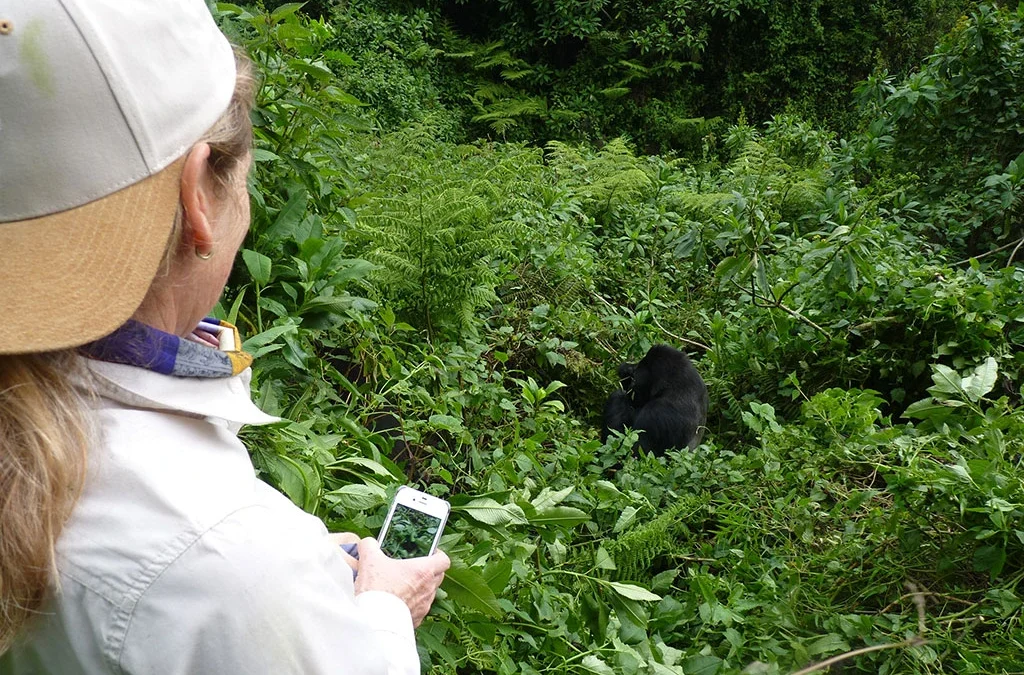
The Cost of Rwanda Safari Per Person: A Complete 2026–2028 Budget Guide
The cost of Rwanda safari per person typically starts around $990 for a short budget trip and climbs past $10,000 for a luxury multi-park journey. Overall, your final price depends heavily on trip length, group size, accommodation style, chosen activities, and the parks on your route. In addition, gorilla and chimpanzee permits carry enormous weight in your total spend. Meanwhile, transport, meals, park fees, travel season, and vehicle type all add to the final bill. As a result, two travelers visiting Rwanda for the same number of days can still end up paying very different amounts. For instance, a solo traveler spending three days on a gorilla trek pays far more per person for transport than four travelers splitting one safari vehicle. Similarly, someone booking a luxury lodge spends considerably more than a traveler choosing a solid budget or mid-range property.
Ultimately, this guide unpacks the real cost of Rwanda safari per person so you know what to expect before booking. In particular, it walks through permits, accommodation, transportation, park fees, seasonal pricing, group size effects, and realistic sample budgets for 2026 through 2028.
Cost of Rwanda Safari Per Person: Quick Price Table by Type and Duration
Naturally, safari type and trip length both play a major role in shaping your total budget. Generally, shorter trips cost less overall, whereas longer journeys demand more nights, meals, park fees, and transport.
| Safari Type / Duration | Typical Length | Approx. Cost Per Person |
|---|---|---|
| 2-Day Rwanda Safari (gorilla trek only) | 2 days | $1,900 – $2,600 |
| Budget Rwanda Safari | 3 days | $990 – $2,900 |
| Rwanda Gorilla Trekking Safari | 3 days | $1,900 – $3,200 |
| Rwanda Chimpanzee Safari | 3 days | $900 – $1,800 |
| Rwanda Big Five Safari (Akagera) | 3–4 days | $1,200 – $2,800 |
| Mid-Range Rwanda Safari | 3–5 days | $2,500 – $4,500 |
| Luxury Rwanda Safari | 3–5 days | $5,000 – $10,000+ |
| Gorilla + Nyungwe Safari | 5 days | $3,000 – $5,200 |
| Gorilla + Akagera Safari | 5 days | $3,200 – $5,500 |
| Gorilla + Akagera + Nyungwe Safari | 7 days | $4,800 – $8,500 |
| 10-Day Primate & Wildlife Circuit | 10 days | $6,500 – $12,000 |
| 14-Day Rwanda + Neighboring Country Combo | 14 days | $9,000 – $16,000+ |
Admittedly, these figures give you a solid starting point, though your actual price still depends on package inclusions. Additionally, group size matters, since a couple sharing one private vehicle usually pays less per person for transport than a solo traveler does. Likewise, a family of four spreads the driver-guide and vehicle costs across four people instead of one.
In some cases, longer safaris also deliver better value overall. Because the daily vehicle and driver-guide cost spreads across the full itinerary, your average daily price often drops. On the other hand, a 2-day Rwanda safari delivers a quick gorilla trekking experience, though the schedule stays fairly tight. Consequently, travelers arriving from overseas often prefer three days instead, since the extra buffer absorbs transfers and unexpected delays.
By contrast, a 10- or 14-day Rwanda safari allows far more time across Volcanoes National Park, Akagera, Nyungwe, culture, and rest. That longer pace, in turn, lets you savor each destination rather than rushing between parks all week.
Cost of Rwanda Safari Per Person by Budget Level
Budget Rwanda Safari
Typically, a three-day budget Rwanda safari costs between $990 and $2,900 per person, depending on your choices. For example, a short chimpanzee trekking trip in Nyungwe sits near the lower end when paired with simple lodging and shared transport. However, a gorilla trekking trip costs considerably more, since the $1,500 permit alone eats up much of the budget.
Typically, budget travelers choose simple guesthouses or affordable lodges close to the parks. Furthermore, shared transport helps bring costs down even further. Meanwhile, meals stay fairly straightforward, and optional activities remain limited during this style of trip. Even so, travelers still enjoy Rwanda’s forests, wildlife, local communities, and iconic primate destinations.
Mid-Range Rwanda Safari
Overall, a mid-range Rwanda safari strikes a comfortable balance between price and quality. Specifically, most packages in this tier include ensuite accommodation, private transport, a professional driver-guide, meals, and core park activities. Furthermore, mid-range lodges sit in convenient locations near major attractions, without the steep prices luxury properties charge. As a result, travelers get a comfortable room, decent meals, hot showers, reliable service, and pleasant surroundings without paying for extras they don’t need.
Luxury Rwanda Safari

By design, luxury Rwanda safaris center on comfort, privacy, attentive service, and premium accommodation. Typically, these packages include high-end lodges, private 4×4 vehicles, experienced driver-guides, quality meals, and select exclusive experiences. In fact, some luxury lodges around Volcanoes National Park charge $600–$1,500 or more per night. Consequently, several nights at that level push your overall safari cost much higher.
That said, the price covers more than just the room itself. Instead, guests also pay for private service, prime locations, quality food, striking views, personalized attention, and added facilities.
Insider tip: In many cases, mid-range accommodation delivers excellent value for money. Often, these properties offer comfortable rooms, hot showers, good meals, scenic views, and easy park access. So, if wildlife and trekking matter more to you than spa treatments or private butlers, mid-range accommodation gives you a smart way to control spending.
Cost of Rwanda Safari Per Person by National Park
Volcanoes National Park: Gorilla Trekking
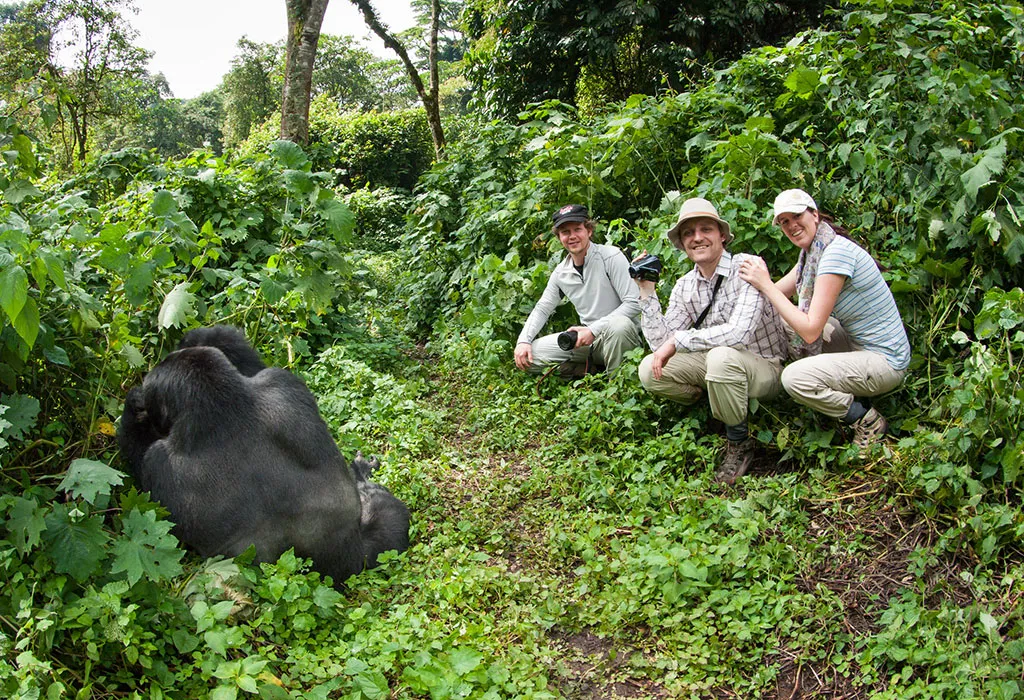
Specifically, gorilla trekking happens in Volcanoes National Park, near Musanze in northern Rwanda. From Kigali, the drive usually takes around two hours, which keeps the park convenient even on shorter itineraries. Currently, the standard permit costs $1,500 USD per person for foreign non-residents. After registration and a morning briefing, visitors then head into the forest with trained guides and trackers searching for a habituated gorilla family. Once the group finds the gorillas, in turn, visitors get up to one hour to observe them closely. Overall, the actual hike can last anywhere from one to six hours, depending on gorilla movement that day.
Gorilla Trekking at a Glance
- Location: Volcanoes National Park, Northern Province
- Distance from Kigali: About 2 hours by road
- Standard gorilla permit: $1,500 USD per person
- Qualifying low-season permit: $1,050 USD
- Minimum age: 15 years
- Maximum group size: 8 trekkers per gorilla family
- Trekking duration: Usually 1–6 hours
- Gorilla viewing time: Up to 1 hour
Generally, trekkers arrive at the park headquarters early for registration, document checks, and a safety briefing. Sometimes, mornings also feature traditional Kinyarwanda performances before the actual trek starts. From there, guides divide visitors into smaller trekking groups based on fitness and other practical factors. Afterward, trekkers follow forest trails across steep volcanic slopes and dense vegetation.
Fortunately, good preparation makes the whole experience much easier to enjoy. Therefore, pack sturdy hiking boots, long trousers, long sleeves, a rain jacket, garden gloves, and insect repellent. Additionally, walking sticks provide useful support, while porters offer welcome help during trickier sections of trail.
Gorilla Permit Prices by Traveler Category
| Traveler Category | Permit Price |
|---|---|
| Foreign non-residents | $1,500 USD per person |
| Foreign residents / African citizens outside East Africa | $500 USD per person |
| East African citizens (Rwanda, Uganda, Kenya, Tanzania, South Sudan, Burundi) | $200 USD per person |
What the Gorilla Permit Includes
- Entry into Volcanoes National Park
- Guided trekking with park rangers and trackers
- Up to one hour observing the mountain gorillas
What the Gorilla Permit Does Not Include
- Accommodation
- Meals
- Ground transportation
- Porter services
- Tips for guides, trackers, and other staff
Occasionally, Rwanda runs a 30% low-season discount, dropping the permit from $1,500 to $1,050 USD. This promotion, however, applies only during selected periods and requires travelers to pair their gorilla trek with at least two nights in Akagera or Nyungwe. Additionally, Rwanda offers a 15% MICE tourism discount, bringing the permit down to $1,275 USD for qualifying conference visitors.
Nyungwe Forest National Park: Chimpanzee Trekking

By comparison, chimpanzee trekking in Nyungwe Forest National Park offers a distinctly different primate experience. Instead of mountain gorillas, visitors head into a vast rainforest searching for habituated chimpanzee communities. Notably, the chimpanzee permit costs $250 per person for foreign non-residents, far below the $1,500 gorilla permit. Consequently, that gap makes Nyungwe an attractive pick for travelers working with a tighter budget.
Chimpanzee Trekking at a Glance
- Permit: $250 per person for foreign non-residents
- Park entrance: Included
- Minimum age: 12 years
- Starting time: Around 5:00 AM
- Viewing time: Up to 1 hour
- Group size: Up to 8 people per chimpanzee community
- Trekking time: Often 2–6 hours
Overall, Nyungwe offers two important trekking zones for chimpanzee sightings throughout the year. Specifically, Cyamudongo Forest forms a smaller, more isolated section, while Uwinka sits within the much larger main forest area. Because chimpanzees move constantly through the trees overnight, their location shifts from one day to the next. To compensate, rangers track overnight nests and recent movement patterns to locate each community. Naturally, that early start plays a central role in the overall experience. So, travelers should prepare for a very early morning and pack for a cool, wet rainforest climate.
Insider tip: Overall, chimpanzee trekking gives travelers a genuine primate experience without the full gorilla permit price tag. Consequently, that $250 permit leaves more room in your budget for accommodation, transport, or an additional Rwanda activity. Additionally, travelers with extra time enjoy pairing chimpanzee trekking with gorilla trekking on the same trip. Since the two experiences feel remarkably different, combining them adds real variety to your safari.
Akagera National Park: Big Five Safari
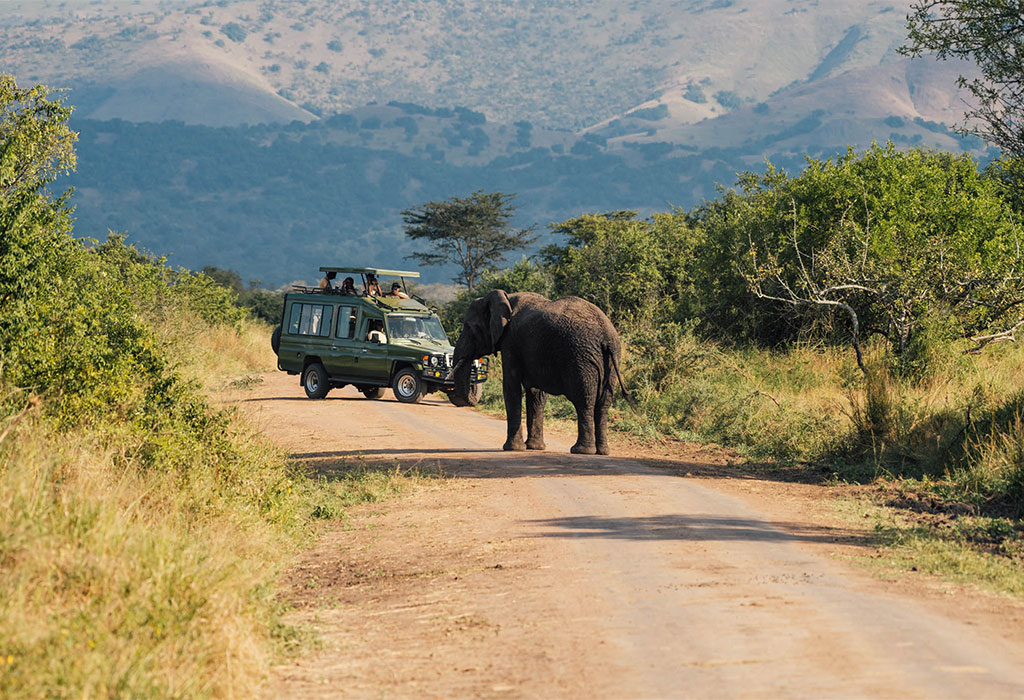
In contrast, Akagera National Park delivers Rwanda’s main traditional savannah safari experience for wildlife lovers. The park spans roughly 1,122 square kilometres of open grassland, woodland, wetlands, and scattered lakes. Consequently, visitors get real opportunities to spot several iconic African species, including the Big Five. As a result, Akagera fits naturally into itineraries that combine primates with classic game viewing.
Akagera Visitor Information
Generally, the park runs from 6:00 AM to 6:00 PM for day visitors. Typically, most travelers enter through the southern Mutumba Gate near Kayonza, while the northern gate serves as an exit point.
Akagera Entry Fees
| Category | Adult Fee Per 24 Hours | Child Fee Ages 6–12 |
|---|---|---|
| International visitors | $100 USD | $50 USD |
| EAC residents / African nationals | $50 USD | $25–$30 USD |
| Rwandan & EAC citizens | 15,000 RWF | 10,000 RWF |
Notably, children under six years enter the park completely free of charge. In addition, vehicle fees apply and vary depending on registration and vehicle type. Meanwhile, travelers staying inside Akagera get better value the longer they remain. Specifically, entry fees drop by 50% for the second and third nights, and later consecutive nights may see further reductions.
Gorilla Permit and Chimpanzee Permit Costs: The Biggest Line Item
Importantly, the $1,500 gorilla permit and $250 chimpanzee permit both come directly from the Rwanda Development Board. As a result, the permit price stays the same whether you book directly or go through a tour operator. Instead, real savings come from other parts of the trip. Specifically, accommodation, vehicle choice, group size, route planning, meals, and optional activities all shape the final cost of your safari.
Accommodation Costs by Budget Category
Similarly, accommodation makes up another major share of your overall Rwanda safari budget. Naturally, prices shift depending on location, season, facilities, room type, and service level.
- Budget guesthouses and lodges: About $40–$100 per person per night
- Mid-range lodges: About $150–$350 per person per night
- Luxury lodges: About $400–$1,500+ per person per night
Generally, accommodation near Volcanoes National Park costs more than comparable options around Akagera or Nyungwe. Largely, that gap exists because strong demand for gorilla trekking keeps prices around Musanze relatively high year-round. Therefore, travelers hunting for lower rates should consider properties slightly farther from the park entrance. Even then, a well-chosen location still offers easy access to the trekking headquarters while keeping overall costs manageable.
Transportation Costs in Rwanda
Private 4×4 Vehicle and Driver-Guide
On average, a private 4×4 safari vehicle with a professional driver-guide costs $100–$200 per day. Naturally, the exact rate depends on the vehicle type, chosen route, season, and safari company used. Since this expense applies to the vehicle rather than each traveler individually, group size heavily influences the per-person price. Consequently, a solo traveler absorbs a much larger share of the vehicle cost. Meanwhile, four travelers split that same transport expense evenly among the group.
Airport Transfers and Route Costs
| Route | Approx. Drive Time | Approx. Cost Per Vehicle |
|---|---|---|
| Kigali Airport to Kigali City | 30–45 minutes | $20–$40 |
| Kigali to Volcanoes National Park | 2–2.5 hours | $80–$150 |
| Kigali to Akagera National Park | 2.5–3 hours | $100–$180 |
| Kigali to Nyungwe National Park | 5–6 hours | $200–$350 |
Notably, Nyungwe sits considerably farther from Kigali than either Volcanoes or Akagera does. As a result, travelers working with tight schedules sometimes book a domestic flight to Kamembe, near Nyungwe, to cut road time. Admittedly, flying costs more overall, though it saves several hours on the road. Still, road travel remains the smarter choice for travelers whose main priority is keeping the budget low.
Rwanda Safari Costs: Starting from Kigali vs. Starting from Uganda
For most international travelers, starting your safari from Kigali remains the simplest route. Kigali International Airport connects Rwanda to several international destinations, while Volcanoes National Park sits roughly two hours away by road. Consequently, that short transfer makes Kigali a convenient launch point for a gorilla trekking safari. Plus, travelers avoid long overland transfers immediately following an international flight.
Alternatively, starting from Uganda suits travelers already following a Uganda itinerary. Many, for instance, use border crossings such as Cyanika or Katuna/Gatuna to enter Rwanda from Uganda directly. From there, travel time to Musanze depends on the starting point, border traffic, and immigration processing time. For a closer look at both routes, browse our guide to Uganda gorilla trekking and available Uganda safari packages.
Rwanda Safari Costs by Season
Overall, travel season has a noticeable effect on the total cost of a Rwanda safari.
High Season
Typically, June through September and December through February attract the strongest demand. During these months, weather stays drier, trekking conditions feel more comfortable, and accommodation rates tend to climb.
Low Season
By contrast, March through May and November bring heavier rainfall across the country. Consequently, lodge prices often become more attractive during these wetter months, and qualifying travelers may also find permit promotions.
Shoulder Season
Meanwhile, October and early June offer a middle ground between the peak and low seasons. Typically, visitor numbers, weather patterns, and accommodation prices sit somewhere between the two extremes.
Given this pattern, travelers with flexible dates should consider low or shoulder season when trying to trim costs. Fortunately, rain rarely stops wildlife experiences either, since Rwanda’s forests stay green and beautiful year-round. Moreover, experienced guides continue operating throughout every season without interruption.
Rwanda Safari Cost for Couples, Families, and Solo Travelers
Couples
Generally, couples get strong value from a private Rwanda safari by sharing one vehicle. That said, each traveler still pays their own individual permit cost for gorilla or chimpanzee trekking. Therefore, the biggest savings come from splitting transport and accommodation expenses together.
Families
Likewise, families spread vehicle and guide costs across several travelers at once. As the group grows larger, the average transport cost per person naturally falls. However, parents should pay close attention to age requirements before booking any trekking activity. Specifically, gorilla trekking requires visitors to be at least 15 years old, while chimpanzee trekking allows children from age 12. Consequently, families traveling with younger kids need alternative activities or childcare arranged during trekking days.
Solo Travelers
By comparison, solo travelers usually face the highest transport cost per person on any Rwanda itinerary. Since one traveler alone absorbs the entire private vehicle and driver-guide expense, costs climb quickly. Instead, joining a scheduled group departure offers a practical way to lower that cost significantly. That way, several travelers share one vehicle, spreading the transport expense across the whole group.
Rwanda vs. Uganda Gorilla Trekking Cost Comparison
Understandably, many travelers compare Rwanda against Uganda before deciding where to trek gorillas. Ultimately, the biggest difference between the two countries comes down to permit pricing.
| Factor | Rwanda | Uganda |
|---|---|---|
| Gorilla permit for international visitors | $1,500 per person | $800 per person |
| Trekking parks | Volcanoes National Park | Bwindi Impenetrable & Mgahinga |
| Accommodation | Generally higher-priced | More budget-friendly choices |
| Access from capital | About 2 hours from Kigali | Much longer road journey from Kampala/Entebbe or a domestic flight |
Specifically, Rwanda charges $1,500 per person for its standard international gorilla permit, versus Uganda’s $800. Therefore, Uganda offers a major saving on the permit alone compared to Rwanda. However, Rwanda counters with a real advantage through its short drive from Kigali to Volcanoes National Park. Typically, that journey takes about two hours, while reaching Bwindi from Entebbe or Kampala takes much longer. Consequently, travelers pressed for time often value Rwanda’s shorter transfer above the permit savings. Meanwhile, budget-focused travelers often lean toward Uganda after comparing both destinations closely.
What’s Included and Excluded in Rwanda Safari Packages
Generally, most organized Rwanda safari packages cover the essential services needed throughout your trip.
Typically Included
- Accommodation listed in the itinerary
- Ground transportation
- Professional driver-guide
- Park entrance fees for included parks
- Gorilla or chimpanzee permits when stated in the package
- Airport transfers
- Bottled drinking water during safari activities
Typically Excluded
- International flights to Kigali
- Rwanda visa fees
- Travel insurance
- Tips for guides, drivers, porters, and trackers
- Alcoholic drinks
- Some meals, depending on the package
- Optional activities
- Personal expenses and souvenirs
Sample Rwanda Safari Budgets and Cost Breakdowns
Below, these sample budgets show how individual expenses combine into the final per-person cost.
3-Day Rwanda Gorilla Safari
| Item | Approx. Cost |
|---|---|
| Gorilla permit | $1,500 |
| 2 nights mid-range lodge | $400–$600 |
| Private vehicle & driver-guide (3 days) | $300–$450 |
| Meals & incidentals | $100–$150 |
| Estimated total per person | $2,300–$2,700 |
Overall, this three-day safari suits travelers wanting a short, gorilla-focused trip above all else. Understandably, the permit takes up the largest chunk of the budget by far. Meanwhile, accommodation and transport account for most of the remaining cost.
5-Day Rwanda Gorilla + Akagera Safari
| Item | Approx. Cost |
|---|---|
| Gorilla permit | $1,500 |
| Akagera park fees (2 days) | $200 |
| 4 nights mid-range accommodation | $800–$1,200 |
| Private vehicle & driver-guide (5 days) | $500–$750 |
| Meals & incidentals | $200–$300 |
| Estimated total per person | $3,200–$3,950 |
Essentially, this itinerary blends two very different sides of Rwanda into one trip. First, the journey begins with tracking mountain gorillas inside Volcanoes National Park. Then, the safari shifts to Akagera for open savannah wildlife and game drives.
7-Day Rwanda Gorilla + Akagera + Nyungwe Safari
| Item | Approx. Cost |
|---|---|
| Gorilla permit | $1,500 |
| Chimp permit | $250 |
| Akagera park fees (2 days) | $200 |
| Nyungwe park & activity fees | $150 |
| 6 nights mid-range accommodation | $1,200–$1,800 |
| Private vehicle & driver-guide (7 days) | $700–$1,050 |
| Meals & incidentals | $300–$400 |
| Estimated total per person | $4,300–$5,350 |
Overall, seven days gives travelers enough time to cover Rwanda’s major wildlife regions properly. Along the way, the route combines mountain gorillas, chimpanzees, savannah wildlife, wetlands, and lush rainforest scenery.
10-Day Rwanda Primate & Wildlife Safari
| Item | Approx. Cost |
|---|---|
| Gorilla permit | $1,500 |
| Chimp permit | $250 |
| Akagera park fees (3 days) | $250 |
| Nyungwe park & activity fees | $200 |
| 9 nights mid-range/luxury mix accommodation | $2,000–$3,500 |
| Private vehicle & driver-guide (10 days) | $1,000–$1,500 |
| Meals & incidentals | $400–$600 |
| Estimated total per person | $5,600–$7,800 |
Ultimately, a ten-day safari allows more breathing room in each destination along the way. As a result, travelers enjoy game drives, forest activities, cultural experiences, and genuine rest days without constant rushing.
How to Reduce the Cost of Rwanda Safari Per Person
Fortunately, several practical decisions can meaningfully lower your overall Rwanda safari budget.
- Travel during low season: November through May often brings lower accommodation prices and select permit promotions.
- Share transport: Joining a group safari spreads vehicle and driver-guide costs across more travelers.
- Choose mid-range accommodation: Comfortable lodges cover the essentials without charging luxury-level prices.
- Book permits early: Since gorilla permits sell out quickly during busy periods, early booking widens your accommodation options too.
- Plan an efficient route: Avoiding unnecessary backtracking cuts fuel use, driving time, and transfer costs.
- Limit domestic flights: Although road travel takes longer, it usually costs noticeably less than flying between destinations.
- Compare complete packages: Look past the advertised price and check every inclusion before committing to a company.
Even so, the cheapest safari option does not always deliver the best overall value. Instead, a slightly higher price can buy a better vehicle, a stronger guide, and a more convenient lodge. It can also mean shorter transfers and, ultimately, a noticeably smoother experience from start to finish.
Frequently Asked Questions
How much does a Rwanda safari cost per person?
Overall, the cost of a Rwanda safari per person starts around $990 for a short budget chimpanzee trip and rises beyond $10,000 for luxury multi-park journeys. Realistically, a mid-range three-day gorilla safari usually lands around $2,300–$2,700 per person once permits, accommodation, transport, and meals are included.
How much does a Rwanda gorilla safari cost?
Typically, a 3-day Rwanda gorilla safari costs between $1,900 and $3,200 per person. Naturally, the $1,500 gorilla permit forms the single largest expense on the trip. Meanwhile, accommodation, transport, and guide services make up much of the remaining amount.
How much is a Rwanda gorilla permit?
Currently, a Rwanda gorilla permit costs $1,500 USD per person for foreign non-residents visiting the park. By comparison, East African citizens pay $200, while qualifying foreign residents and other African citizens pay $500. Additionally, selected promotional rates apply during certain periods, so confirm current terms before booking.
Is Rwanda expensive for a safari?
Overall, Rwanda ranks among the pricier East African safari destinations, especially for travelers focused on gorilla trekking. Largely, the $1,500 permit accounts for much of that higher overall price tag. Additionally, accommodation near Volcanoes National Park tends to cost more than similar properties elsewhere in the region. Still, combining gorilla trekking with chimpanzee trekking or an Akagera safari delivers a broader wildlife experience without necessarily reaching luxury pricing.
Is Rwanda or Uganda cheaper for gorilla trekking?
Overall, Uganda works out cheaper for gorilla trekking, based purely on permit pricing between the two. Specifically, Uganda charges $800 per international visitor, while Rwanda charges nearly double that amount. In response, Rwanda counters with shorter road access between Kigali and Volcanoes National Park. Consequently, travelers with limited time often choose Rwanda anyway, while budget-focused travelers frequently lean toward Uganda instead.
How much does a 3-day Rwanda safari cost?
Generally, a three-day Rwanda safari including gorilla trekking costs $1,900–$3,200 per person overall. By comparison, a chimpanzee-focused three-day trip in Nyungwe typically runs $900–$1,800 per person, depending on accommodation, transport, and group size.
How much does a 5-day Rwanda safari cost?
Typically, a five-day safari combining gorilla trekking with Akagera or Nyungwe costs $3,000–$5,500 per person at mid-range levels. Again, the gorilla permit remains the largest single expense on this itinerary. Meanwhile, accommodation and private transportation account for most of the remaining budget.
How much does a 7-day Rwanda safari cost?
Overall, a seven-day Rwanda safari covering gorilla trekking, Akagera, and Nyungwe costs $4,800–$8,500 per person. Consequently, seven days gives travelers ample time to experience Rwanda’s major wildlife and primate destinations without rushing.
What is the cheapest way to see gorillas in Rwanda?
First, travel during a qualifying low-season window and check whether any gorilla permit promotion applies to your trip. Next, budget or mid-range accommodation helps keep overall costs firmly under control. Additionally, sharing a safari vehicle provides another meaningful saving on transport expenses. Finally, careful route planning trims unnecessary driving and additional transfer costs.
How much money do I need for a Rwanda safari?
For a short gorilla-focused trip, budget around $2,000–$3,000 per person as a practical starting point. Alternatively, for a longer seven-day multi-park safari, plan closer to $4,500–$8,000 per person, depending on accommodation and transport. Either way, it helps to set aside an extra $200–$400 for tips, insurance, visas, and souvenirs.
Plan Your Rwanda Safari with Local Experts
Ultimately, understanding the true cost of Rwanda safari per person gives you a clear starting point. From there, the next step involves choosing an itinerary that matches your budget, travel dates, interests, and preferred accommodation style. Whether you want Rwanda gorilla trekking, a Big Five adventure through Akagera National Park, chimpanzee trekking in Nyungwe National Park, or a full Rwanda safari package, good planning helps you extract more value from every dollar spent.
Additionally, a local safari company like Iconic Africa Safaris handles permits, accommodation, transport, activities, and border logistics on your behalf. As a result, you spend far less time managing details and much more time actually enjoying Rwanda.
Ready to Book Your Rwandan Safari with Iconic Africa Safaris?
At Iconic Africa Safaris, we help travelers plan Rwanda safaris around their budget, dates, and interests. Whether you want a short gorilla trekking trip or a longer journey combining gorillas, chimpanzees, and wildlife, our team builds an itinerary around your specific needs.
To begin, complete our online booking form and share your preferred travel dates, group size, and safari interests. Alternatively, reach our team directly at info@iconicafricasafaris.com to discuss your plans further.
For quick assistance, use the green WhatsApp button available on our website. From there, our team will help you compare accommodation levels, understand the various safari costs, and plan a Rwanda trip that fits your budget comfortably.