
The Ultimate 12-Day Tanzania North Circuit + Zanzibar Beach
Tanzania rewards travelers who give it time, and twelve days is the sweet spot. This itinerary combines the country’s greatest wildlife stage, the Northern Safari Circuit, with the salty, spice-scented calm of Zanzibar. You’ll track lions across the Serengeti, peer into the Ngorongoro Crater, and watch elephants amble through Tarangire. Then you’ll trade dust for white sand and swap game drives for dhow rides. This isn’t a rushed checklist trip. It’s a paced journey that lets each landscape breathe before the next one begins. Get your sunscreen, and let’s map out exactly how these twelve days unfold, from your first Arusha sunrise to your last Zanzibar sunset.
Why the Northern Circuit Is Tanzania’s Crown Jewel
Most multi-day safaris begin in Arusha, a lively city close to Kilimanjaro International Airport. From there, the Northern Circuit fans out to include Serengeti National Park, Ngorongoro Conservation Area, Tarangire National Park, Lake Manyara National Park, and Arusha National Park itself. Each park has its own personality. Tarangire is famous for its baobab trees and enormous elephant herds. Lake Manyara hides tree-climbing lions among fig forests and flamingo-lined shores. The Serengeti offers the Great Migration and endless golden plains. Ngorongoro Crater packs an entire ecosystem into one collapsed volcanic caldera. Together, these parks make Northern Tanzania one of the richest wildlife regions on Earth, and this itinerary is built to experience all of them without feeling rushed.
Day 1: Arrive in Arusha
Your adventure begins the moment you land at Kilimanjaro International Airport. A driver-guide from Iconic Africa Safaris meets you and transfers you to your lodge in Arusha. Take the afternoon slowly, since jet lag is real and the safari days ahead are active ones. Settle into your room, enjoy a hot shower, and stroll through the lodge gardens if energy allows. Dinner usually features fresh Tanzanian produce, coffee grown nearby, and a first proper look at Mount Meru rising in the distance. Sleep early tonight, because tomorrow the real adventure starts.
Insider tip: Book a lodge on the outskirts of Arusha rather than downtown. You’ll get quieter mornings and often a Meru view right from your balcony.
Day 2: Arusha National Park
After breakfast, head into Arusha National Park for a gentle introduction to Tanzanian wildlife. This compact park sits in the shadow of Mount Meru and offers something rare: a walking safari option alongside game drives. Giraffes, buffalo and colobus monkeys are common sights here, and the Momella Lakes attract flocks of flamingos when conditions are right. Canoeing on Small Momella Lake is also common, giving you a hippo’s-eye view of the wetlands. By late afternoon, you’ll return to Arusha for a relaxed dinner, already sensing how varied Tanzania’s landscapes truly are.
Day 3: Transfer to Tarangire National Park
On this day, you’ll drive south toward Tarangire National Park, home to Tanzania’s largest elephant population outside the Serengeti. The park’s ancient baobab trees, some over a thousand years old, dot the landscape like silent sentinels. Along the Tarangire River, herds gather in huge numbers during the dry season, and predators follow close behind. Expect to see elephants, giraffes, zebras, and often lions lounging in acacia shade. Check into your tented camp by late afternoon and enjoy sundowners overlooking the riverbed, where wildlife often passes just meters from camp.
Insider tip: Visit between June and October when the river shrinks and animals concentrate along its banks, making sightings almost guaranteed.
Day 4: Full Day Game Drive in Tarangire
Spend a full day exploring Tarangire’s varied terrain, from open grassland to dense woodland and swampy lowlands. This extra day pays off because Tarangire rewards patience, and its bird checklist runs past 550 species. Look out for the striking yellow-collared lovebird and the ground hornbill strutting through grass. Predator sightings, including lions and occasionally leopards, are common near the riverine forest. A picnic lunch under a baobab tree is a highlight many travelers remember long after the trip ends. Return to camp for a second night under Tarangire’s star-filled sky.
Day 5: Lake Manyara National Park
Leave Tarangire behind and drive toward Lake Manyara National Park, tucked beneath the dramatic wall of the Great Rift Valley escarpment. This smaller park punches above its weight, thanks to groundwater forest, open plains, and a soda lake that draws thousands of flamingos. Manyara is famous for its tree-climbing lions, a quirky local behavior not seen in most other parks. Blue monkeys and olive baboons crash through the fig trees overhead as you drive. Hippos wallow in shallow pools near the lake edge, often within easy photographing distance. Overnight near Karatu, a farming town that serves as the gateway to Ngorongoro.
Day 6: Descend into Ngorongoro Crater
Wake before sunrise for one of Africa’s most spectacular experiences: descending into Ngorongoro Crater. This vast volcanic caldera holds roughly 25,000 large animals within its walls, creating one of the highest densities of wildlife anywhere on the continent. The crater floor is famous for hosting the Big Five, and here you have a genuinely strong chance of seeing all of them: lion, elephant, buffalo, leopard, and the elusive black rhino. Zebras, wildebeest, hyenas, and flamingos crowd the Munge Stream and soda lake below. Few places on Earth let you see this much wildlife in a single, contained morning. Climb back up the crater rim by afternoon and settle in for the night.
Insider tip: Arrive at the crater gate as early as regulations allow. Morning light is softer for photos, and predators are more active before the midday heat sets in.
Day 7: Transfer to Central Serengeti
This day’s drive takes you across the Ngorongoro highlands and down onto the endless plains of the Serengeti. The name itself comes from a Maasai word meaning “endless plains,” and the landscape lives up to it fully. As you enter Serengeti National Park, expect wide grasslands stretching to the horizon, broken only by rocky outcrops called kopjes. Cheetahs often use these kopjes as vantage points to scan for prey below. Check into your camp in the central Seronera region, known for its year-round resident wildlife. An evening game drive on arrival often turns up lions resting near the riverbanks.
Day 8: Full Day Serengeti Game Drive
Dedicate today entirely to exploring the Serengeti’s central and southern regions, where the Big Four of the plains reside: lion, cheetah, leopard, and elephant, alongside enormous herds of buffalo that some guides count as a fifth icon of the region. Serval cats and hyenas are also frequently spotted here, particularly near dawn drives. If your visit lines up with the calendar, you may catch part of the Great Migration, when over a million wildebeest and zebra move in search of fresh grazing. Even outside migration season, resident predators keep the sightings consistent and thrilling. Pack a full day’s water and snacks, since you’ll likely want to stay out from sunrise until sunset.
Insider tip: Ask your guide about radio updates from other vehicles. Guides across the Serengeti share sightings constantly, which often leads to unexpected predator encounters.
Day 9: Northern Serengeti or Balloon Safari Option
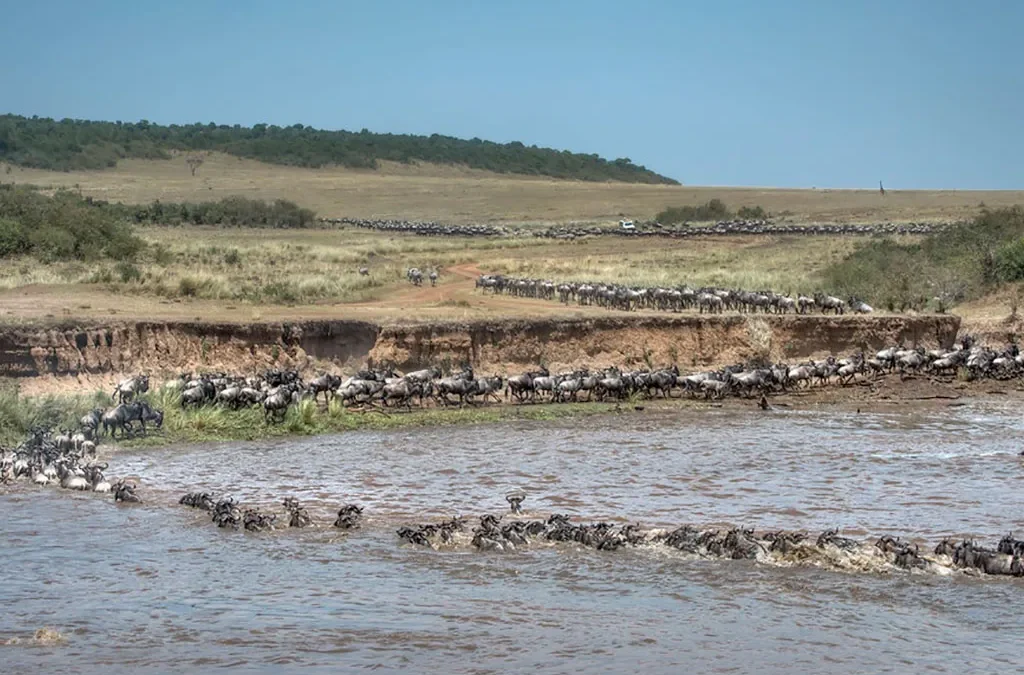
Depending on the season, this day can include a drive toward the northern Serengeti near the Mara River, famous for dramatic migration river crossings. Alternatively, rise before dawn for an optional hot air balloon safari, drifting silently over the plains as the sun breaks the horizon. From above, herds of buffalo and giraffe look like scattered dots across a golden canvas, and the perspective is unlike anything from the ground. Balloon flights end with a champagne breakfast set up in the bush, a wonderfully indulgent touch after eight days of early wake-up calls. Spend the rest of the day on relaxed game drives, soaking in your final Serengeti hours.
Day 10: Fly to Zanzibar
Say goodbye to the savannah and board a short flight from the Serengeti or Arusha to Zanzibar. Within a couple of hours, dusty safari trucks give way to turquoise water and swaying palms. Transfer to your beachfront hotel, ideally somewhere along the northern coast near Nungwi or Kendwa, known for calm, swimmable water year-round. Spend the afternoon doing absolutely nothing, which, after nine active safari days, feels like its own kind of luxury. Watch the sunset from the beach and enjoy fresh seafood for dinner, perhaps grilled octopus or coconut fish curry, both Zanzibari specialties.
Day 11: Stone Town and Spice Farm Tour
Head south to explore Stone Town, Zanzibar’s UNESCO-listed old quarter, where narrow alleys twist past carved wooden doors and bustling markets. Visit the old slave market memorial, a sobering but important stop that explains the island’s complex history. Afterward, tour a spice farm, since Zanzibar earned its nickname “Spice Island” through centuries of clove, nutmeg, and cinnamon trade. Guides let you smell, touch, and taste spices straight from the source, which makes the tour far more memorable than a typical market visit. Return to the coast by evening for a sunset dhow cruise, a traditional wooden sailboat ride that pairs beautifully with a cold drink.
Insider tip: Buy spices directly from farm stalls rather than souvenir shops in Stone Town. Prices are lower, and the produce is fresher.
Day 12: Relax and Depart
Use your final day for pure beach time, snorkeling over nearby coral reefs, or simply reading under a palm tree with the ocean as background noise. Zanzibar’s warm, shallow water makes it ideal for a slow, easy morning before your journey home. Depending on your flight schedule, a final swim or a last plate of fresh mango might be exactly how you want to close things out. Transfer to Abeid Amani Karume International Airport for your departure flight, carrying 12 days of Tanzania’s wild plains and warm coastline home with you.
The Best Time to Book this Adventure
Northern Tanzania’s dry season, running from June through October, offers the most reliable wildlife viewing, since animals gather around permanent water sources. This period also overlaps with the Great Migration’s river crossings in the northern Serengeti, typically between July and September. For a quieter, greener experience with fewer vehicles at each sighting, consider late November through March, when calving season brings enormous herds to the southern Serengeti plains. Zanzibar stays warm year-round, though April and May bring heavy rains best avoided. Booking 3 to 9 months ahead secures the best camps, especially during peak migration months, so plan early if your travel dates are fixed.
How to Book this Adventure with Iconic Africa Safaris
Ready to lock it in? Reach us through the booking form, email info@iconicafricasafaris.com, or tap the WhatsApp button in the bottom right corner of your screen for an instant chat. Tell us your travel dates, level of accommodation and the exact number of days you’d like. One of our local consultants then builds a personalized, fully costed itinerary around your wishes. We’re just a message away, 24 hours a day.