
Combined Uganda Gorilla Safari with Kibeho Pilgrimage in Rwanda
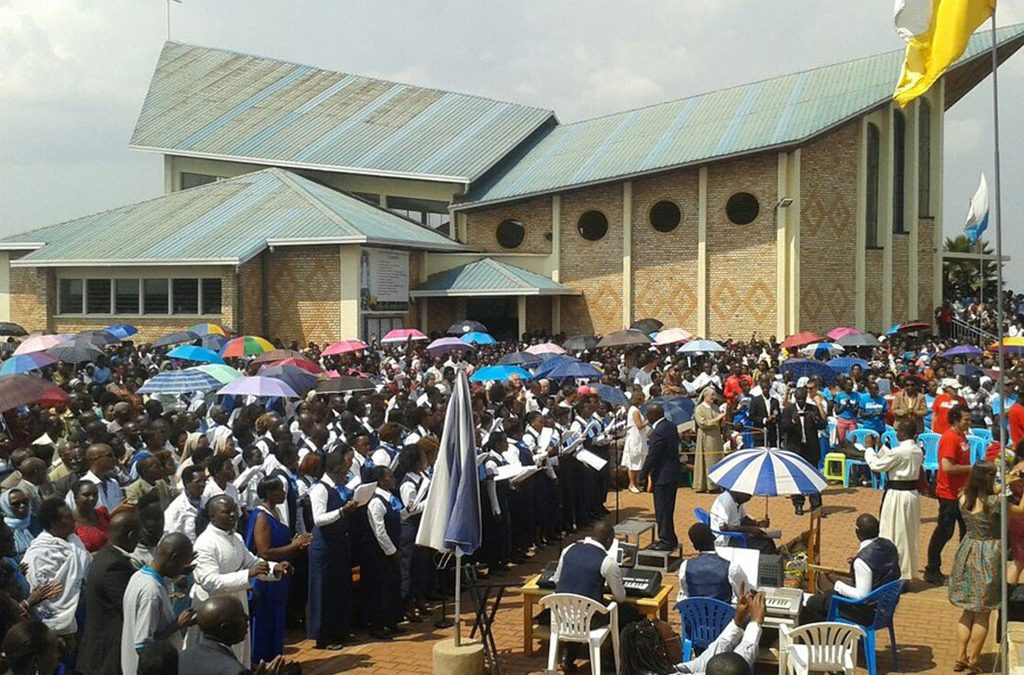
A combined Uganda gorilla safari with a Kibeho pilgrimage in Rwanda offers a rare blend of wilderness adventure and deep spiritual renewal. This unique journey allows you to encounter endangered mountain gorillas in Uganda’s misty forests and then retreat to the peaceful Marian shrine of Kibeho, Africa’s only Vatican-approved apparition site. You experience both creation’s raw beauty and a place of profound grace in a single trip, making it ideal for pilgrims, nature lovers, and faith-based groups.
You can choose to start with a gorilla trek in Bwindi Impenetrable or Mgahinga Gorilla National Park, then cross back into Rwanda for your pilgrimage, or begin with Kibeho and end with gorillas. Either direction works well, but most travelers prefer to start with the physical challenge of trekking and then conclude with quiet days of prayer and reflection in Kibeho. This combination is also cost-effective, especially when you trek in Uganda, where gorilla permits are more affordable than in Rwanda.
Why Combine Gorillas and Kibeho?
This combo trip balances physical adventure, emotional healing, and spiritual enrichment. Uganda offers one of the most affordable and rewarding gorilla trekking experiences in East Africa, while Kibeho invites you into a powerful place of prayer, reconciliation, and reflection.
When you book with Iconic Africa Safaris, the team arranges everything: gorilla trekking permits in Bwindi, Mgahinga, or Volcanoes, all transport, accommodation, and guiding services for both the safari and the pilgrimage. Your guide stays with you throughout, which provides continuity, safety, and a deeper understanding of both the wildlife and the religious aspects of the journey.
To keep costs reasonable, many travelers choose to fly into Kigali, start and end the tour there, and then cross into Uganda by road. The drive from Kigali to either Bwindi or Mgahinga usually takes about 4 to 5 hours, making it very practical to trek in Uganda and then return to Rwanda for the Kibeho pilgrimage.
Kibeho: Africa’s Marian Shrine
Kibeho is a small village in Rwanda’s Southern Province and is widely known as “Africa’s Lourdes” because of its reported Marian apparitions and the many pilgrims who come seeking healing and reconciliation. The Catholic Church officially recognized the apparitions, making Kibeho the only Vatican-approved Marian apparition site on the African continent.
Between 1981 and 1989, local schoolgirls reported apparitions of the Virgin Mary and Jesus, delivering messages that emphasized repentance, prayer, and conversion of hearts. Some of these visions also warned of a coming tragedy, which many later connected to the 1994 genocide in Rwanda. Today, Kibeho remains a powerful place of remembrance, hope, and spiritual renewal for millions of pilgrims each year.
Key Facts About Kibeho
- Significance: Known as “Africa’s Lourdes,” Kibeho attracts people seeking spiritual healing, forgiveness, and inner peace through prayer and the sacraments.
- Key Visionary: Nathalie Mukamazimpaka, one of the original visionaries, still lives in Kibeho and occasionally interacts with pilgrims, sharing her testimony and encouraging deeper faith.
- Location: Kibeho sits in Nyaruguru District, about 150 km south of Kigali, surrounded by rolling hills and quiet rural landscapes.
- Travel Time: It usually takes around 3 to 4 hours by road from Kigali, depending on traffic and road conditions.
Major Pilgrimage and Retreat Dates
While the shrine is open all year, two major feast days draw huge crowds and create a vibrant, but very busy, pilgrimage atmosphere:
- 28 November: Commemorates the first apparition of the Virgin Mary in 1981, attracting many local and international pilgrims.
- 15 August: Assumption Day is the largest event of the year, when thousands gather for Mass, processions, and all-night prayer.
Retreat dates in Kibeho vary depending on the church’s monthly program. Different groups organize retreats for priests, religious communities, lay associations, and youth, so the schedule changes throughout the year. It is best to contact a tour operator or the parish in advance to know the available retreat options and exact dates.
What to Expect in Kibeho
Most pilgrims plan at least two full days in Kibeho to fully immerse themselves in prayer and the life of the shrine. During this time, you can:
- Attend daily Mass and other liturgical celebrations
- Participate in the rosary and Eucharistic adoration
- Visit the apparition sites and learn about the messages given to the visionaries
- Collect holy water from the valley, which many pilgrims regard as a sign of blessing
Because Kibeho is both a place of consolation and remembrance, many visitors find it to be a space for inner healing, forgiveness, and deeper faith. The quiet environment and gentle rhythm of prayer help you transition from the physical intensity of trekking to a more contemplative, spiritual focus.
Gorilla Trekking in Uganda
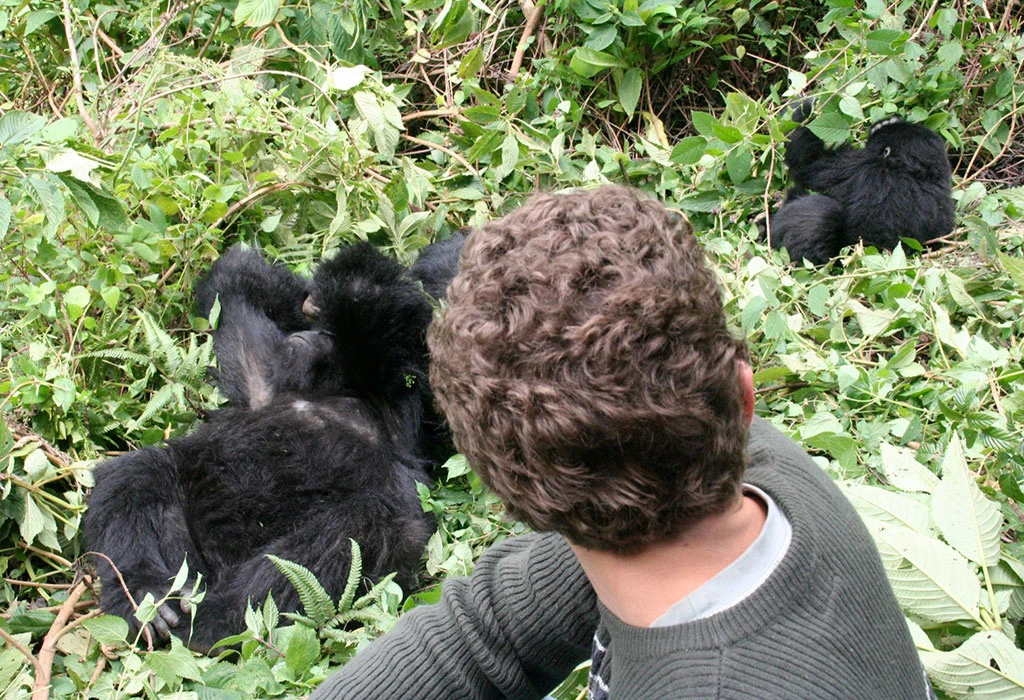
Gorilla trekking in Uganda ranks among the world’s most memorable wildlife experiences. You hike through dense, tropical rainforests to find a habituated family of endangered mountain gorillas and then spend a precious hour observing them in their natural habitat. Uganda is home to nearly half of the remaining global population of mountain gorillas, making it a prime destination for this encounter.
The trek itself becomes part of the adventure. You follow experienced guides and trackers through steep, forested slopes, listening for signs of the gorillas as you move deeper into the jungle. When you finally meet the gorilla family, you watch them feed, groom each other, and care for their young, often just a few meters away, under strict regulations designed to protect them.
Where to Trek: Bwindi and Mgahinga
Uganda offers two main parks in the southwest for gorilla trekking:
- Bwindi Impenetrable Forest National Park: Hosts the largest number of gorillas in Uganda and over 20 habituated families. The park is divided into four main trekking sectors: Buhoma, Ruhija, Rushaga, and Nkuringo, each with different terrain, lodges, and gorilla groups. Its known for thick vegetation, rich birdlife, and scenic views of steep hills and valleys.
- Mgahinga Gorilla National Park: Located in the Virunga Mountains, where Uganda meets Rwanda and DR Congo. The park is home to Nyakagezi family, the park’s only habituated gorilla group. It features bamboo forests, volcanic cones, and stunning views across the Virunga range.
Cost of Gorilla Permits
Gorilla trekking permits in Uganda remain more affordable than in neighboring Rwanda, which is why many budget-conscious travelers choose Uganda for the trekking part of their trip. Current permit prices are:
- Foreign Non-Residents: 800 USD per person
- Foreign Residents: 700 USD per person
- East African Citizens: 300,000 UGX per person
These fees include park entrance, ranger guides, and one hour of close observation with the gorillas. For a more immersive experience, you can book the Gorilla Habituation Experience in the Rushaga sector of Bwindi, which gives you up to four hours with a semi-habituated gorilla group at a higher cost of 1,500 USD per person.
Best Time to Visit
Uganda’s gorilla parks are open year-round, but the drier months are usually considered the best times for trekking. The most popular seasons are: June to August and December to February
During these months, trails are generally drier, slopes are less slippery, and the hikes feel more manageable. However, the low season in the months of April, May and November come with discounted permits, reduced to 600 USD from 800 USD for gorilla safari in Bwindi and Mgahinga. If you are flexible and comfortable with a bit more mud, traveling in low season can be both rewarding and economical.
What to Expect During the Trek
The trekking experience varies depending on where the gorilla family spent the previous night. Some groups stay close, while others move deep into the forest, making each trek unique.
- Trekking Duration: Usually 1 to 6 hours (both ways) depending on the gorillas’ location and your starting point.
- Trail Conditions: Expect steep slopes, mud, thick vegetation and changing weather, especially at higher altitudes.
- Physical Effort: Treks can be strenuous, but the park authorities assign gorilla families according to your fitness level as much as possible.
Guides brief you before the hike on safety rules, viewing distance and how to behave around the gorillas. Once you reach the gorilla family, you have one hour to observe, photograph, and appreciate them quietly, without disturbing their natural behavior.
What to Pack for Gorilla Trekking
To enjoy your trek and stay comfortable, you should pack and wear appropriate clothing and equipment.
Consider bringing:
- Long-sleeved shirts and long trousers in neutral or dark colors to protect from branches and insects
- Sturdy, waterproof hiking boots with good grip
- Gardening or trekking gloves to protect your hands on steep or thorny sections
- Lightweight rain jacket or poncho, as showers can come without warning
- Hat, insect repellent, sunscreen, and personal medication
- Reusable water bottle and packed lunch, since the trek can last several hours
- You can hire a local porter at the trailhead (often around 15 USD) to carry your backpack and help you on steep or muddy terrain. Hiring a porter not only makes your hike easier but also supports the local community around the park.
How to Plan and Travel
Because gorilla permits are limited and highly sought after, they often sell out 2 to 6 months in advance. Booking early through the Uganda Wildlife Authority or a licensed tour operator (Iconic Africa Safaris) gives you the best chance of securing your preferred dates and sector.
For international arrivals, you can:
- Fly into Entebbe International Airport in Uganda and then take a domestic flight or long road transfer to the gorilla region
- Fly into Kigali, Rwanda, and drive about 4 to 5 hours to Bwindi or Mgahinga, which is often shorter and more convenient for this combined Rwanda–Uganda itinerary
Many travelers choose the Kigali route because it allows a smooth loop: arrival in Kigali, transfer to Uganda for trekking, then return to Rwanda for Kibeho, and finally departure from Kigali.
Suggested 7-Day Itinerary
Below is a sample itinerary that combines gorilla trekking in Uganda with a Kibeho pilgrimage in Rwanda. You can always adjust it according to your time, budget, and preferences.
Day 1: Arrival in Kigali and transfer to Uganda
Your guide meets you at Kigali International Airport and drives you to either Bwindi or Kisoro (near Mgahinga). Enjoy scenic views of Rwanda’s hills and Uganda’s highlands along the way.
Day 2: Gorilla Trekking and Optional Batwa Experience
After an early breakfast, head to the park headquarters for briefing and start your gorilla trek in Bwindi or Mgahinga. In the afternoon or evening, consider an optional Batwa cultural experience to learn about the forest’s original inhabitants.
Day 3: Return to Kigali and Optional City Tour
Drive back from Uganda to Kigali, crossing the border and arriving in the city by afternoon. If time allows, explore Kigali’s highlights, such as memorials, markets, or museums.
Day 4: Drive to Kibeho
Leave Kigali after breakfast and travel 3 to 4 hours to Kibeho in the Southern Province. Check into your accommodation and visit the shrine area for evening prayer or quiet reflection.
Day 5–6: Private Spiritual Days in Kibeho
Spend these days attending Mass, praying at the shrine, visiting apparition sites, and collecting holy water from the valley.Use this time for personal reflection, confession, spiritual direction (if available), and rest.
Day 7: Departure
Drive back to Kigali for your outgoing flight or onward travel within Rwanda or the region.
Optional Extensions in Rwanda
If you are not restricted by time or budget, you can extend your stay in Rwanda after Kibeho or before your gorilla trek. Popular add-ons include:
- Akagera National Park: Ideal for classic game drives and viewing the Big Five (lion, elephant, buffalo, rhino, and leopard). Offers savannah landscapes, lakes, and boat safaris with abundant wildlife.
- Nyungwe Forest National Park: Famous for chimpanzee trekking, colobus monkeys, and birdwatching. Features one of Africa’s best canopy walkways, offering panoramic views above the forest.
These additions transform your journey into a fuller East African experience, combining gorillas, a Marian shrine, classic wildlife safaris, and primate adventures in one coherent trip.