
How to Combine Bwindi Gorillas with Lake Kivu Beach
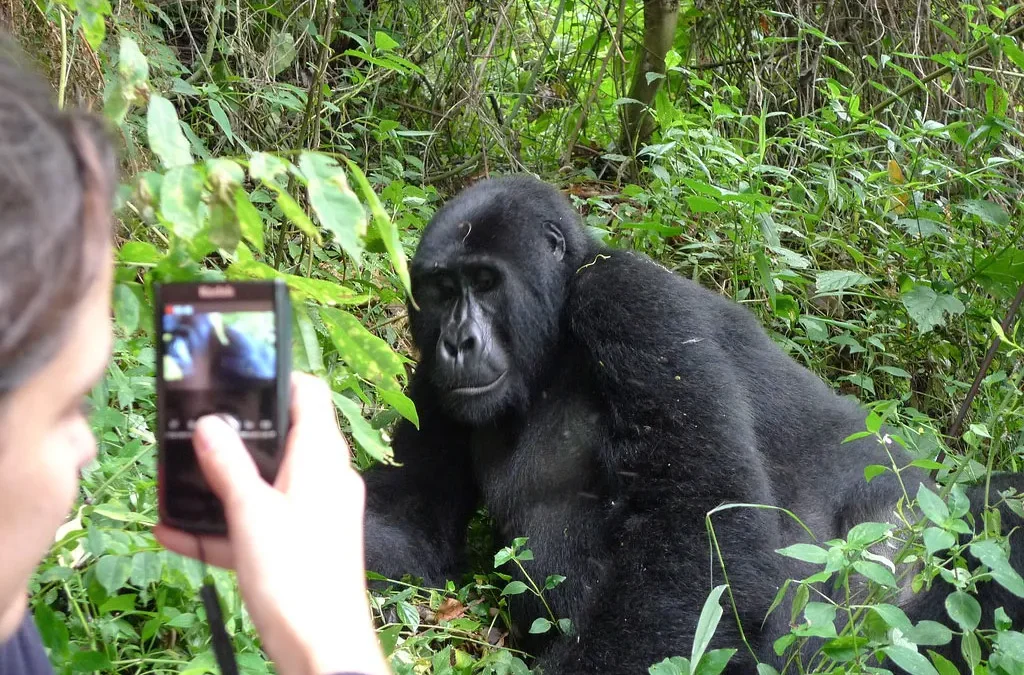
If you love wildlife and you also want to relax at the beach, then combining gorilla trekking in Bwindi with a stay at Lake Kivu is the perfect trip for you. You get to see rare mountain gorillas in the forest, and then you get to rest by a calm and beautiful lake. This trip works for all kinds of travelers, whether you are traveling alone, as a couple, or with family.
The best time to go is during the dry months of June to October. During this period, the trails are less muddy, and it is easier to walk through the forest. That said, you can still do this trip at any time of the year.
How to Plan Your Trip
If you are short on time or working with a tight budget, you can do just the gorillas and the beach. That alone gives you a wonderful experience. However, if you have more time and money, you can add more activities to make the trip even better.
One option is to visit Queen Elizabeth National Park before going to Bwindi. There, you can see elephants, buffaloes, lions, and leopards. You can also enjoy a boat cruise on the Kazinga Channel. After your gorilla trek in Bwindi, you then cross into Rwanda through the Chanika border in Kisoro District. This drive takes about three to four hours. From there, you head to Lake Kivu for your beach break.
Another option is to do gorillas in Bwindi first, then visit Akagera National Park in Rwanda. Akagera has all the Big Five: rhinos, elephants, buffaloes, lions, and leopards. You can also do a boat cruise there. After Akagera, you finish your trip with a relaxing stay at Lake Kivu.
Why Choose Uganda Over Rwanda for Gorillas?
Many people wonder whether to do gorillas in Uganda or Rwanda. Both countries offer great gorilla experiences, but Uganda is much cheaper. A gorilla permit in Uganda costs $800 per person for foreign visitors. In Rwanda, the same permit costs $1,500. That is almost double the price. So if you want to save money without losing quality, starting your trip in Uganda is the smarter choice.
Where to Start and End Your Trip
You can start your trip from Entebbe International Airport in Uganda and end it at Kigali International Airport in Rwanda. However, starting from Kigali and ending in Kigali is often the better choice. The drives are shorter, which means less time in a car and more time enjoying the experience.
What Is Gorilla Trekking in Bwindi?
Bwindi Impenetrable Forest National Park is one of the most special places in the world. It is located in the southwest of Uganda and covers about 331 square kilometers. The forest is thick, misty, and full of life. It is home to nearly half of all the mountain gorillas left in the world. Scientists estimate there are more than 1,000 mountain gorillas remaining, and Bwindi shelters a huge number of them.
The park is divided into four main areas: Buhoma, Ruhija, Nkuringo, and Rushaga. Each area has its own gorilla families that people can visit. The land rises from 1,400 meters to 3,000 meters above sea level, making the forest hilly and challenging to walk through. The park also has over 400 species of birds, making it a great spot for bird lovers. You may also visit nearby Batwa pygmy communities and learn about their traditional way of life.
How to Get Your Gorilla Permit
To go gorilla trekking, you must buy a permit in advance. Only 96 people are allowed to trek each day across all sectors of the park. This limit is in place to protect the gorillas from too much human contact.
The permit prices are as follows:
- Foreign Non-Residents: $800 per person
- Foreign Residents: $700 per person
- Africans outside East Africa: $500 per person
- East African Residents: UGX 300,000 per person
You should book your permit at least 4 to 6 months before your trip, especially if you are going during the dry season when demand is very high. You can book through the Uganda Wildlife Authority or through a trusted tour operator like Iconic Africa Safaris.
What Happens on Trekking Day?
On the day of your trek, you need to arrive at the starting point by 7:00 AM. There is a briefing at 7:30 AM where rangers explain the rules and what to expect. You are put into a group of up to eight trekkers, and each group visits one habituated gorilla family.
Before you start, make sure you are well prepared. Wear strong hiking boots that can handle mud and steep slopes. Bring a rain jacket because the weather in the forest can change quickly. Also carry insect repellent, gloves, water, and some snacks. It is a good idea to hire a porter to help carry your bag. The terrain is tough, and a porter makes the walk much easier. Porters also earn income from tourism, so hiring one supports the local community.
The walk to find the gorillas can take anywhere from 30 minutes to 7 hours. It all depends on where the gorilla family has moved that day. The trackers use radio collars and their expert knowledge of the forest to find the gorillas. Along the way, you may see other animals like monkeys and forest birds. You will walk through thick vines, climb muddy hills, and step over tree roots. It is a real adventure.
The Magical Hour with Gorillas
When you finally find the gorillas, you are allowed to spend one hour with them. If you are doing the special habituation experience in Rushaga, you can spend up to four hours. During this time, you get to watch the gorillas from a distance of just ten meters.
It is hard to describe how powerful this experience is. You watch the large silverback male protecting his family. You see mothers gently nursing their babies. Young gorillas chase each other and roll around in play. Their faces and behavior remind you of humans in the most surprising ways. Many trekkers say this was the most moving wildlife experience of their lives.
During your time with the gorillas, you must stay quiet and keep a low profile. You are required to wear a face mask to protect the gorillas from human diseases. Flash photography is not allowed. These rules help keep the gorillas safe and stress-free.
Returning from the Trek
After your hour with the gorillas, you walk back to the starting point. You usually return by late afternoon. At the end, you receive a certificate to mark the occasion. Many lodges near the park sit on hilltops with stunning views of the valleys. It is the perfect place to rest after a long but incredible day.
Gorilla trekking also helps with conservation. The money from permits goes toward protecting the forest and supporting local communities. Habituated gorillas that are used to human presence are easier for rangers to monitor and protect from threats like poaching and habitat loss.
If you are not very fit, choose Ruhija sector, which have easier trails. Nkuringo is the most challenging and is best for experienced hikers. You can also combine your gorilla trek with chimpanzee tracking or birding for a fuller safari.
What Is Lake Kivu?

After all the excitement of gorilla trekking, Lake Kivu is the ideal place to slow down and enjoy some peace and quiet. Lake Kivu lies between Rwanda and the Democratic Republic of Congo. It covers about 2,700 square kilometers and sits in the Albertine Rift Valley. The lake is surrounded by rolling green hills, and its clear, calm water makes it feel like a hidden paradise.
Unlike the ocean, Lake Kivu has no big waves or strong currents. The water is safe and gentle, which makes it great for swimming and relaxing on the shore. The main beach towns are Gisenyi and Kibuye, both of which are popular with tourists and locals alike. You can spend lazy afternoons sunbathing, listening to the birds, and watching the sun set over the lake.
Things to Do at Lake Kivu
There are plenty of activities to enjoy while you are at the lake. If you like being on the water, you can take a boat trip to Amahoro Island, which means “Peace Island” in Kinyarwanda. The island is a great spot for birdwatching and enjoying the panoramic views of the surrounding hills. You can paddle a kayak or try stand-up paddleboarding on the calm surface of the lake.
On land, you can take walks along the hillside paths and enjoy the beautiful scenery. Many resorts offer lakeside massages where you can truly unwind. If you enjoy watching birds, the wetlands around Lake Kivu are home to a wide variety of species.
Some of the best places to stay at Lake Kivu include Lake Kivu Serena Hotel, Galaxy Kivu Hotel, and Hotel Paradis Malahide. These resorts offer comfortable rooms, good food, and easy access to the lake. They are perfect for a few nights of well-deserved rest after the physical challenge of gorilla trekking.
Suggested Travel Plan for Bwindi Gorillas & Lake Kivu Beach Relaxation
Day 1: Airport Pickup to Bwindi
Private 4×4 picks you from Kigali International Airport at arrival, heading 175-240 km to Bwindi’s southern sectors via Katuna border (30-45 min processing with EAC visa, passport, yellow fever card). Total drive: 5-7.5 hours on paved & winding roads; stop in Kabale for lunch.
Day 2: Gorilla Trekking
Early briefing at park headquarters (Ruhija: moderate hikes, birding; Rushaga: more families & permits, strenuous with Virunga views; Nkuringo: steep but rewarding). Trek 2-7 hours through impenetrable forest to spend 1 hour with habituated gorillas (high success rate). Return for lodge lunch or relaxation; optional community walk. Porter recommended ($15-20).
Day 3: Transfer to Lake Kivu
Post-breakfast, 2-3 hour private 4×4 to Rubavu via Cyanika border in Kisoro. Scenic route past Mgahinga volcanoes. Afternoon lakeside settle-in for relaxation.
Day 4: Beach Relaxation
Full day unwinding: kayak coastlines amid mountains, birds (no crocs or hippos), pedalo boats, or spa massage at waterside hotels like Serena Rubavu. Visit Nyamyumba Hot Springs for geothermal soak or sundowner boat cruise – bilharzia-free waters.
Day 5: Kivu to Kigali City Tour
Morning free for more kayaking, then 2-3 hour transfer to Kigali via Musanze. Afternoon tour: Genocide Memorial, Kimironko Market, Inema or Niyo Art Centre, Nyandungu Eco-Park trails. Airport drop-off or extra night in Kigali.