
Top 10 Must-See Animals in Akagera National Park
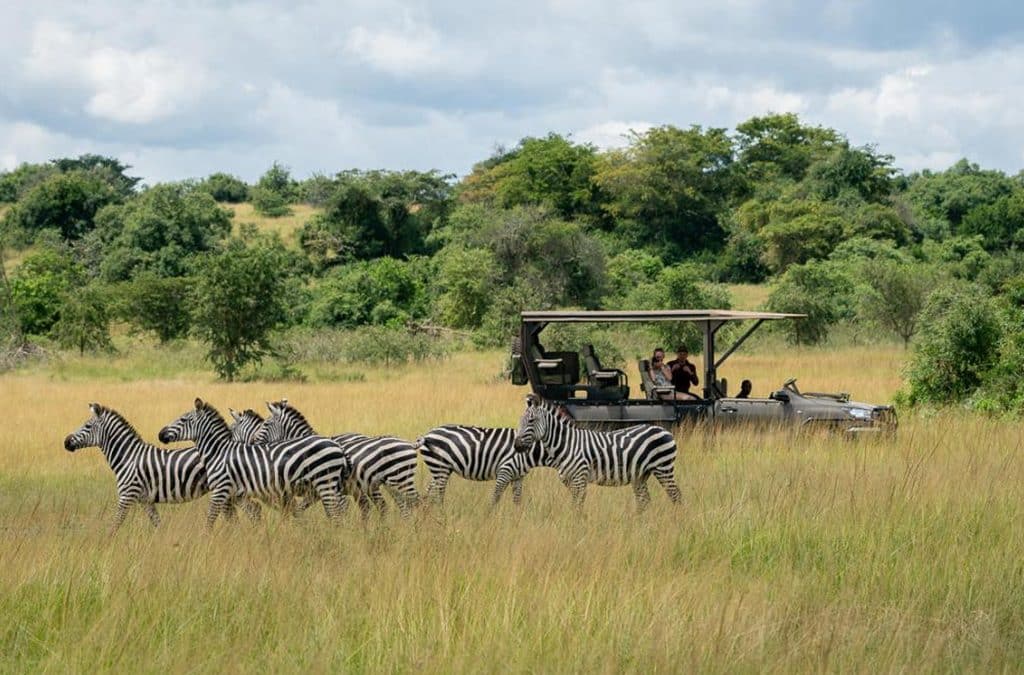
Nestled in the rolling hills of eastern Rwanda, Akagera National Park stands as a jewel of African wildlife conservation. Spanning over 1,500 square kilometers, this savanna paradise—often called Rwanda’s safari gem—offers a stunning mosaic of lakes, wetlands, grasslands, and woodlands. Once diminished by poaching and conflict, Akagera has roared back to life since 2010 through partnerships with African Parks and the Rwandan government. Today, it’s home to the Big Five (lion, leopard, elephant, buffalo, and rhino), plus a dazzling array of birds and primates. For wildlife lovers planning a Rwanda safari, Akagera delivers intimate encounters without the crowds of Kenya or Tanzania’s giants.
Whether you’re trekking gorillas in Volcanoes National Park or combining with a Kigali city break, Akagera’s game drives reveal raw African drama. Spot herds thundering across plains or predators stalking at dusk. Here’s our list of the top 10 must-see animals for unforgettable sights.
1. Black Rhinos
Crowning Akagera’s revival: Eastern black rhinos, reintroduced in 2017 from South Africa. Just 10 individuals, but viewable in their 26km² sanctuary. These prehistoric tanks charge at 50kph, prehensile lips browsing acacias. Track from hides near Muyumbu—twitching ears betray their presence. Females with calves tug heartstrings. Global critically endangered (under 6,000 left), Akagera’s success proves translocation works. Anti-poaching drones and rangers ensure safety.
2. Lions
Akagera’s pride stars returned in 2015, now 40 strong. Watch coalitions roar at dawn, females hunting in sync across plains. Males’ black manes signal virility as they patrol territories. Iconic kills—zebra takedowns—unfold dramatically. Prides like the famous “Lake Pride” den near Ihema. Guided night drives capture mating roars echoing for kilometers. Rwanda’s only wild lions make Akagera unmissable for Big Five seekers.
3. Leopards
Elusive night stalkers, leopards drape from trees like tawny ghosts. Akagera’s 50+ individuals hunt stealthily, dragging kills skyward to evade hyenas. Scan sausage trees at dusk for glowing eyes. Their rosettes camouflage perfectly in dappled light. Big Five completers, they’re solitary and shy—patience pays on night drives. Spotlight success stories: Camera traps confirm healthy populations, rewarding conservation investments.
4. Elephants
Akagera’s gentle titans, reintroduced in 2017 from South Africa, now number over 100. Family matriarchs lead herds through bush, flapping ears like sails and trumpeting warnings. Tusks gleam as they dust themselves at waterholes—prime photo ops. Savanna elephants shape landscapes by uprooting trees, boosting biodiversity. Track them on Mutumba loops, where dust clouds signal arrivals. Conservation milestone: No poaching incidents since reintroduction, fostering human-wildlife harmony vital for Rwanda’s tourism.
5. Cape Buffalo
Nicknamed “black death,” these 800kg behemots form grumpy herds of up to 1,000 in Akagera’s marshes. Shaggy bosses and curved horns signal danger—one kick crushes bones. Watch matriarchs lead charges across floodplains, calves tucked safely inside. They’re a Big Five staple, often near oxpeckers that pick parasites (and warn of lions). Evening drives near Rwisirabo offer prime encounters. Resilience shines here: Buffalo numbers have tripled since 2010, thanks to anti-poaching and habitat restoration.
6. Zebras
Black-and-white stripes blur into hypnotic motion as Burchell’s zebras gallop in herds of hundreds. Akagera’s open plains mimic the Serengeti, drawing these social equines for grazing. Their bold patterns confuse predators like lions—a classic “confusion camouflage.” Join a morning game drive near Mutumba Hill for close-ups; foals’ fuzzy stripes are adorable. Zebras coexist with wildebeest in symbiotic herds, where the former’s short grass cropping benefits the latter. With Rwanda’s anti-poaching patrols, their populations flourish.
7. Giraffes
Graceful giants towering up to 5.5 meters, Akagera’s Rothschild’s giraffes glide through acacia-dotted savannas like living skyscrapers. Their mosaic patterns and long necks make them a photographer’s dream—watch them nibble treetops or entwine necks in courtship dances. Best spotted on drives along Lake Ihema’s shores, these browsers thrive here thanks to protected habitats. Fun fact: Giraffes have no upper teeth, using tongues up to 50cm long to strip leaves. Conservation win: Numbers have stabilized post-reintroduction efforts.
8. Hippopotamus
Massive, barrel-shaped behemoths lurking in Akagera’s lakes and rivers, hippos rule the waterways. Weighing up to 3 tons, they emerge at night to munch 50kg of grass, their grunts echoing like thunder. Daytime boat safaris on Lake Ihema offer safe, eye-level views of pods wallowing in murky shallows—watch yawning jaws reveal dagger-like tusks. Females fiercely guard calves, making for tense drama. Vital stat: Hippos kill more humans than any other African animal, so heed guides’ warnings. Akagera’s wetlands sustain over 500, a healthy rebound.
9. Nile Crocodiles
Ancient ambush kings patrol Akagera’s rivers with armored stealth. These 5-meter monsters launch lightning strikes on prey from submerged hides. Riverside spots like the Akagera River yield thrilling sightings—spot half-submerged logs morph into toothy grins. Boat trips reveal nests and sunbathing giants. Females lay 40-80 eggs, guarding fiercely. Conservation note: Strict protections have boosted numbers, aiding ecosystem balance by controlling fish populations. Pro tip: Dawn patrols maximize basking views.
10. Primates: Olive Baboons and Vervet Monkeys
Akagera buzzes with cheeky troops. Olive baboons, with dog-like muzzles, forage in savvy packs of 50+, raiding camps if unchecked. Watch alpha males assert dominance with charges. Lithe vervet monkeys chatter alarms (“snake!” squeals differ from “leopard!”). Lakeside woodlands host family acrobatics—mothers carry tiny infants. These omnivores eat fruits, insects, even small antelopes. Close encounters delight birders too, as primates flush hidden species. Rwanda’s primate haven extends seamlessly here.
Best time to visit Akagera National Park
Akagera National Park is visited year-round, but the dry season from June to September offers prime wildlife viewing. A shorter dry period from mid-December to mid-February is also excellent for visits. During these times, animals concentrate around water sources and vegetation thins out, making wildlife easier to spot. The wet season brings lush scenery and exceptional birdwatching opportunities, though wildlife disperses more widely and muddy roads require 4×4 vehicles. Temperatures remain pleasant year-round, ranging from 22-27°C during the day.
Getting to Akagera National Park by Road
Akagera National Park lies in eastern Rwanda, approximately 110 kilometers from Kigali. The journey takes about 2.5 hours via well-maintained tarmac roads. From Kigali, head northeast through Rwamagana town toward Kayonza. At Kayonza, turn east following signs to the park. The main entrance, Kigali Gate (Southern Gate), is clearly marked. Alternatively, use the Northern Gate near Gabiro for northern circuit access. Self-drive is possible with a 4×4 vehicle, though many visitors prefer hiring a driver-guide. The route offers scenic views of Rwanda’s rolling hills and rural villages, making the drive itself enjoyable.