
Trekking Gorillas in Uganda from Kigali – Is it Cheaper?
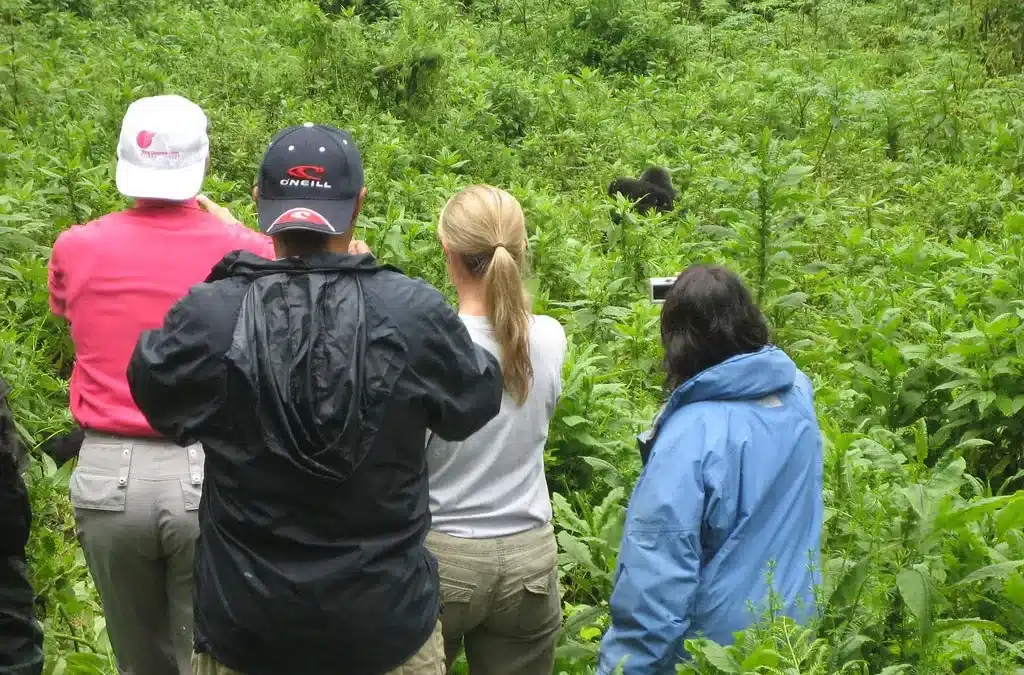
If you’re planning Trekking Gorillas in Uganda’s Bwindi Impenetrable Forest or Mgahinga National Parks, the decision of where you start — Kigali (Rwanda) or Entebbe/Kampala (Uganda) — can influence both your budget and logistics. While Uganda offers the most affordable permits, the journey from its capital involves a very long road trip. Many savvy travelers now fly into Rwanda to reach the lush Ugandan forests in nearly half the driving time. This guide explores why the Kigali route is often the smartest choice for seeing these majestic mountain giants.
Travel Distance and Transport Logistics
-
The Long Road from Entebbe
Starting your journey in Entebbe requires a grueling 9–10-hour drive across the vast heart of central and western Uganda. Hiring a private 4×4 vehicle with a professional driver costs between USD 150 and USD 250 every single day. Fuel expenses and driver fees quickly add up, making the overland route from Entebbe a very expensive logistical commitment. You might choose a domestic flight, but round-trip tickets often cost between USD 300 and USD 500 per person.
-
The Shortcut from Kigali
Flying into Kigali International Airport allows you to reach the Ugandan border in just a few hours of driving. The journey from Rwanda to Bwindi Impenetrable Forest takes about 4 to 5 hours through beautiful, rolling green hills. Because the distance is shorter, you spend much less on fuel and vehicle rental fees during your African safari. Many international airlines offer competitive fares to Kigali, making it a convenient hub for travelers seeking efficiency and value.
Comparing Total Trip Expenses
A standard 3-day gorilla trekking tour starting from Kigali typically costs between USD 1,400 and USD 1,500 per traveler. In contrast, starting from Entebbe usually raises the price to USD 1,600 or more due to the longer distances. The Uganda gorilla permit remains a fixed cost of USD 800 regardless of which country you choose to enter. You save money by reducing the number of days you need a vehicle and a specialized local safari guide.
Discovering Uganda’s Premier Gorilla Destinations
Bwindi Impenetrable Forest National Park
Bwindi is a massive UNESCO World Heritage site that protects nearly half of the world’s remaining wild mountain gorilla population. The forest is divided into four distinct trekking sectors: Buhoma, Rushaga, Nkuringo, and the high-altitude trails of the Ruhija area. Each sector offers a unique landscape ranging from thick lowland jungles to misty, steep ridges with breathtaking volcanic views. You will find everything from basic campsites to ultra-luxury eco-lodges tucked away within the ancient, prehistoric green canopy.
Mgahinga Gorilla National Park
Mgahinga is Uganda’s smallest national park, located on the dramatic slopes of the three majestic Virunga Volcanoes. This park is home to the famous Nyakagezi gorilla family, which is known for its stable and peaceful social behavior. Because there are fewer visitors here, you might find it easier to secure a last-minute permit during the peak season. The scenery is spectacular, featuring golden bamboo forests and volcanic peaks that pierce through the thick, morning tropical clouds.
The Immersive Experience of the Forest Trek
-
Morning Briefings and Safety
Your adventure begins at 7:00 AM with a vital safety briefing conducted by experienced Uganda Wildlife Authority park rangers. They explain the strict rules of the forest, including how to behave when you finally meet the gorilla family. You will learn about the history of the specific gorilla group you are assigned to track during the morning hike. Rangers also provide wooden walking sticks to help you navigate the slippery slopes and tangled vines of the deep forest.
-
The Physical Challenge of the Hike
Trekking through the jungle involves hiking for 2 to 6 hours across rugged terrain and very steep, muddy ridges. You will hear the sounds of exotic birds and smell the damp earth as you push through the dense vegetation. The hike requires a moderate level of physical fitness because the trails are often unpaved and quite physically demanding. Your guide will hack away thick vines with a machete to create a path through the ancient, untouched African wilderness.
-
The Magical Hour of Encounter
Finding the gorillas is a sensory explosion as you witness these gentle giants feeding, playing, and grooming each other. You are allowed exactly 60 minutes (1 hour) to observe their human-like interactions from a safe distance of about 7 meters. The sight of a massive silverback protecting his family is a powerful memory that stays with you forever. Watching the playful infants swing from low branches provides a rare glimpse into the complex social lives of these primates.
Planning Your Adventure
-
Optimal Seasons for Trekking
The best months for trekking are June through September and December through February when the weather is relatively dry. During these periods, the forest trails are less muddy and the visibility through the thick leaves is much better. However, you can still trek during the rainy months of April and May if you enjoy a lush landscape. Be prepared for sudden tropical downpours by carrying high-quality waterproof gear and protective covers for your expensive camera equipment.
-
Securing Your Essential Permits
A gorilla permit for a foreign non-resident costs USD 800, while foreign residents pay USD 700 for the experience. These permits are limited to 8 people per gorilla group per day and frequently sell out many months in advance. It is wise to book your permits at least 4 months early to ensure you get your preferred dates. You can purchase these through the Uganda Wildlife Authority or a licensed tour operator like Iconic Africa Safaris.
Essential Preparation and Local Impact
-
What to Pack for the Jungle
Wear sturdy, waterproof hiking boots with good ankle support to handle the uneven and often slippery forest floor. Pack long trousers and long-sleeved shirts to protect your skin from stinging nettles and hungry forest insects. Do not forget to bring a lightweight rain jacket, garden gloves for gripping branches, and plenty of clean drinking water. Carrying a high-energy snack like nuts or dried fruit will help keep your stamina up during the long mountain hike.
-
Supporting Conservation and Communities
Your permit fee contributes directly to the protection of the gorillas and the preservation of their delicate forest habitat. A portion of the revenue supports local community projects like schools and clinics near the national park boundaries. By visiting these parks, you provide a financial incentive for local people to protect the environment and prevent illegal poaching. Your trip helps ensure that future generations will also have the chance to see these incredible animals in person.