
Why Visit Nyungwe Forest National Park
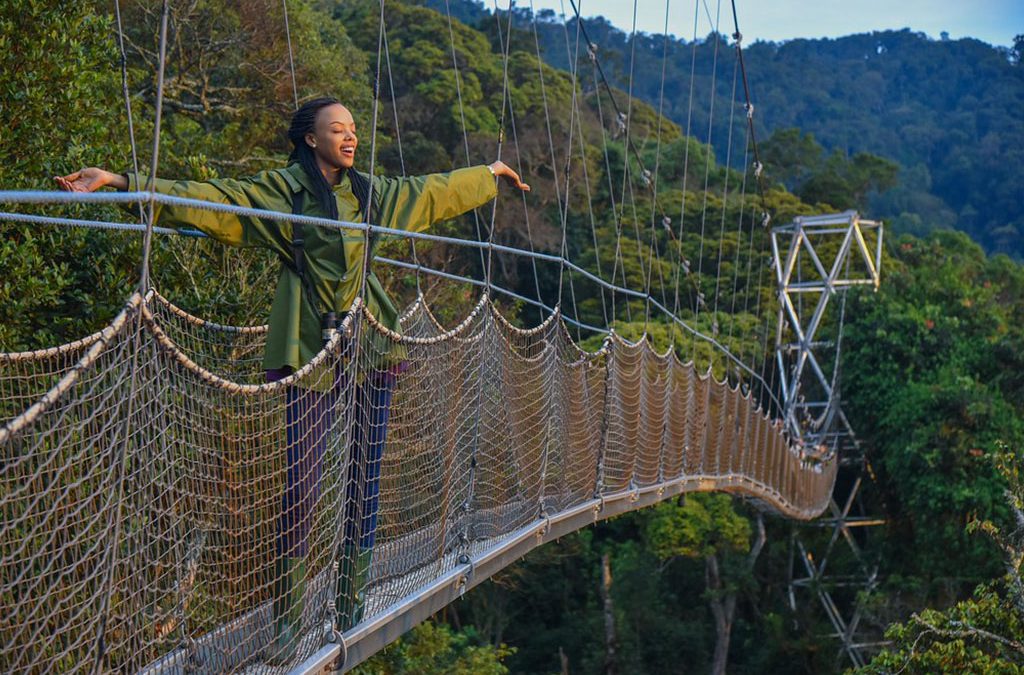
Are you planning an unforgettable adventure in one of Africa’s most pristine natural wonders? Nyungwe Forest National Park offers you an incredible opportunity to explore East Africa’s largest highland rainforest. This spectacular destination protects ancient jungle landscapes that stretch across endless mountain ridges. You will discover thirteen different primate species living in their natural habitat here. The park features thrilling activities like chimpanzee trekking and a breathtaking canopy walkway suspended high above the forest floor. Additionally, you can enjoy over 130 kilometers of hiking trails winding through dense rainforest. Bird lovers will find paradise here with 310 unique species calling this forest home. Furthermore, the park supplies seventy percent of Rwanda’s water, making it truly essential for the country.
Top Activities in Nyungwe Forest National Park
Track Wild Chimpanzees Through Dense Jungle
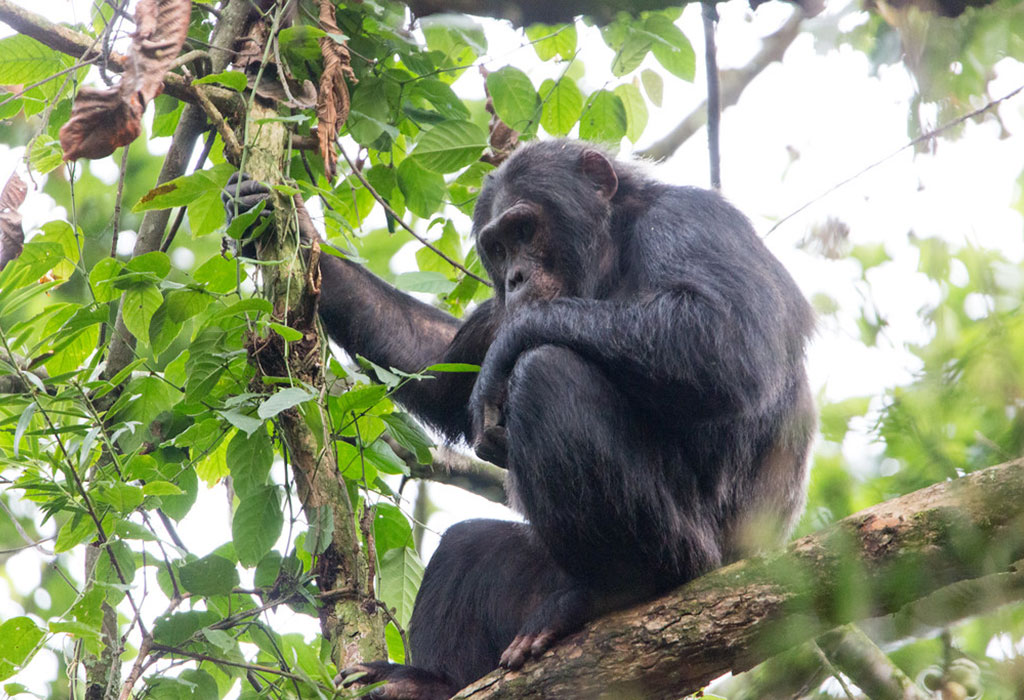 Chimpanzee trekking stands as the park’s most popular activity. You start early in the morning with experienced guides and trackers. The team knows where chimps nested the previous night. Hiking through the rainforest requires moderate fitness and determination. Subsequently, you hear the chimps calling before you see them. Their hoots and screams echo through the misty valleys. When you find them, you spend one precious hour observing their lives. Chimps groom each other, play, feed, and communicate constantly. Young chimps swing fearlessly through branches while mothers protect their babies. The trekking permit costs two hundred fifty dollars per person. Rangers limit each group to maintain minimal disturbance to the animals.
Join the Chimpanzee Habituation Experience
The Chimpanzee Habituation Experience offers something even more special than regular trekking. You spend an entire day with semi-habituated chimpanzee groups. The Gisovu community lives in the northern section of Nyungwe Forest. This immersive activity costs $300 for permit per person compared to $250 for the regular trekking. However, authorities limit groups to just four participants maximum. You watch chimps leave their sleeping nests at dawn. Throughout the day, you observe their feeding habits and social interactions closely. Researchers collect important data while you learn from their expertise. In the evening, you witness chimps building fresh nests for the night. Additionally, you help trackers identify individual chimps by their unique physical features. Participants must stay at Gisovu Guest House, which provides eleven single beds. Licensed tour operators like Iconic Africa Safaris handle all arrangements efficiently.
Walk High Above the Forest on the Canopy Walkway
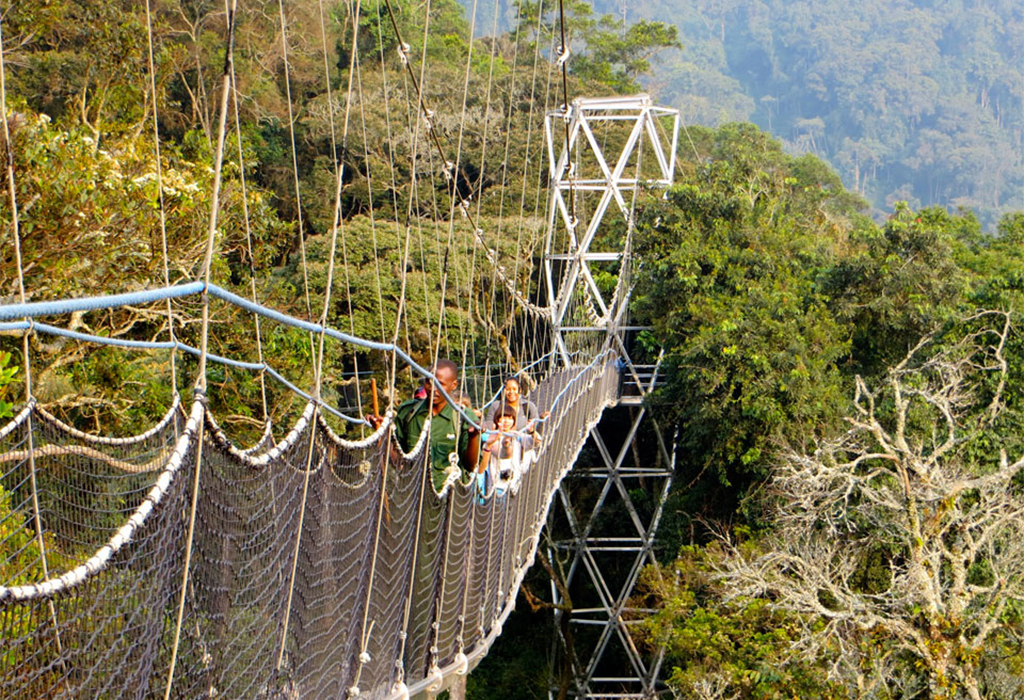 The suspended canopy walkway delivers unforgettable thrills and spectacular views. This bridge hangs seventy meters above the forest floor. You walk across suspension cables while treetops sway beneath your feet. The walkway stretches for a considerable distance through the canopy. Birds fly at eye level as you cross this engineering marvel. Below, the forest floor disappears into green shadows and mist. You see the rainforest from a completely different perspective. Monkeys sometimes appear in nearby trees during your crossing. The experience combines adventure with incredible photo opportunities. Even visitors afraid of heights find the walkway manageable and rewarding.
Are You Ready for World-Class Birdwatching?
Nyungwe hosts over three hundred ten different bird species. Many birds found here exist nowhere else in the world. Albertine Rift endemics represent particularly special sightings for serious birders. Forest specialists hide in the dense vegetation waiting for patient observers. Colorful sunbirds flash through clearings while hornbills call from treetops. Moreover, the best birding season runs from March through May. However, excellent bird watching continues throughout the entire year. Rain sometimes affects activities during the wettest months. Early morning walks produce the most bird sightings and activity. Therefore, dedicated birders often spend multiple days exploring different trails. Your binoculars become essential equipment in this feathered paradise.
Discover Nocturnal Wildlife on Night Walks
The forest transforms completely when darkness falls across the mountains. Night walks reveal creatures that hide during daylight hours. Your guide uses flashlights to spot sleeping birds and active mammals. Bush babies leap between branches with enormous eyes reflecting your light. Nightjars rest on the ground perfectly camouflaged against fallen leaves. Furthermore, you might encounter nocturnal primates moving through the canopy. The forest sounds change dramatically after sunset too. Insects create a constant symphony while frogs call from streams. This experience adds another dimension to understanding rainforest ecology. Consequently, night walks appeal to wildlife enthusiasts seeking complete forest immersion.
Visit Surrounding Tea Plantations
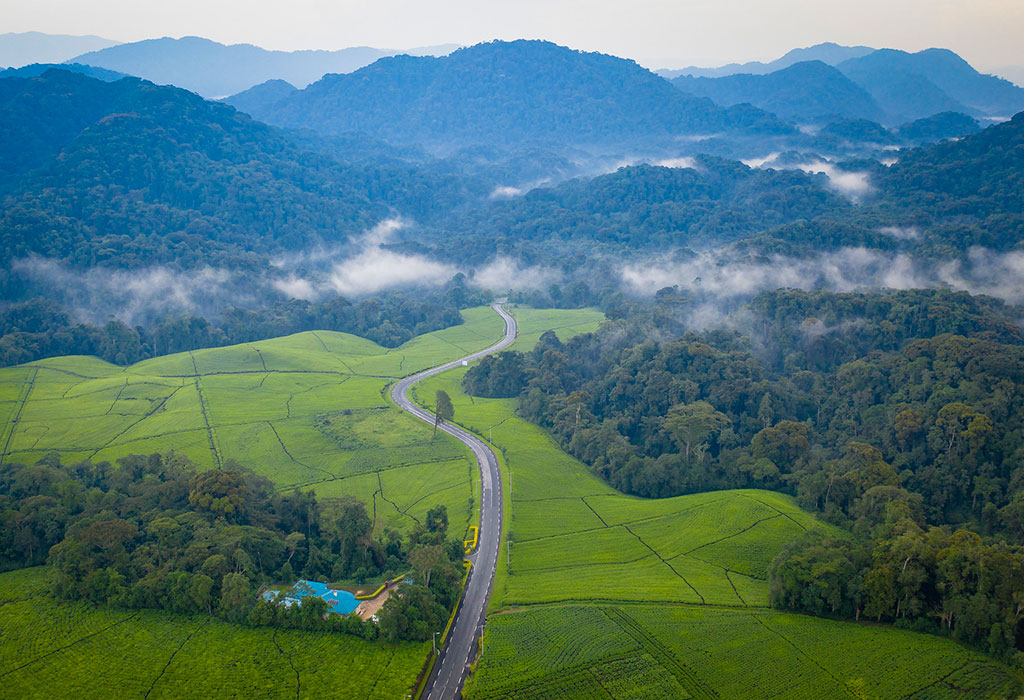 Tea estates surround Nyungwe Forest creating beautiful green landscapes. The Gisakura Tea Estate welcomes visitors for informative tours. You walk through neat rows of tea bushes covering hillsides. Workers demonstrate traditional tea picking techniques and processing methods. Additionally, you learn about Rwanda’s important tea industry and export business. The contrast between cultivated tea and wild forest proves visually striking. These tours provide cultural insights beyond pure wildlife watching. Local communities depend heavily on tea production for their livelihoods. Therefore, visiting plantations helps you understand the region more completely.
Planning Your Nyungwe Forest Adventure
Getting to Nyungwe Forest National Park
Nyungwe sits in southwestern Rwanda about four to five hours from Kigali International Airport. The journey follows a good surfaced road through beautiful countryside. You pass through villages, farms, and rolling hills along the way. Alternatively, you can reach the park from Kamembe town. The main road actually bisects the park making access very convenient. However, all activities require guides and happen on foot inside the forest. Tour operators such as Iconic Africa Safaris arrange comfortable transportation as part of safari packages. Self-drivers can also reach Nyungwe easily with their own vehicles.
Best Time to Visit Nyungwe Forest
You can visit Nyungwe Forest throughout the entire year successfully. However, the dry season from June through September offers optimal conditions. Trails become less muddy and hiking proves more comfortable during these months. Chimpanzee trekking works better when rain doesn’t disrupt tracking efforts. Nevertheless, waterproof clothing remains essential regardless of when you visit. The forest receives rain at any time because of its altitude. March through May brings the heaviest rainfall but excellent bird activity. Temperatures stay relatively constant year-round due to equatorial location. Nighttime temperatures drop about ten to fifteen degrees below daytime highs.
What to Pack for Your Visit
Waterproof rain gear tops your essential packing list for Nyungwe. Good hiking boots with ankle support prove absolutely necessary for forest trails. Long pants and long-sleeved shirts protect against vegetation and insects. Additionally, bring layers because temperatures change with altitude and time. A small backpack carries water, snacks, and camera equipment comfortably. Binoculars enhance both primate watching and bird observation significantly. Insect repellent helps during walks though mosquitoes remain relatively uncommon. Furthermore, a good camera captures incredible wildlife and landscape moments. Pack light but prepare for wet and muddy conditions.
Understanding Nyungwe’s Climate and Weather
Year-Round Rainfall Patterns
Nyungwe truly deserves its rainforest classification with frequent precipitation. The high altitude location creates naturally wet and cool conditions. June through September represents the relatively drier period each year. However, rain can still fall unexpectedly during these months. The wettest period typically runs from March through May annually. During this time, afternoon downpours become common and sometimes heavy. Rain often arrives quickly, soaks everything, then moves on just as fast. The forest depends entirely on this moisture for its incredible biodiversity. Therefore, you must prepare mentally and physically for wet weather.
Temperature Variations Throughout the Day
Temperatures remain fairly stable year-round because of Nyungwe’s equatorial position. Daytime temperatures feel cool rather than hot in the highlands. Mornings often start misty and chilly before warming slightly. Nighttime temperatures drop considerably compared to afternoon highs. The difference can reach ten to fifteen degrees Celsius. Consequently, warm layers become necessary for early morning chimp treks. The forest canopy creates additional cooling throughout the day. Humidity levels stay high constantly due to regular rainfall. These conditions create the perfect environment for rainforest plants and animals.