
Why Combine Gorilla and Chimpanzee Trekking in Rwanda
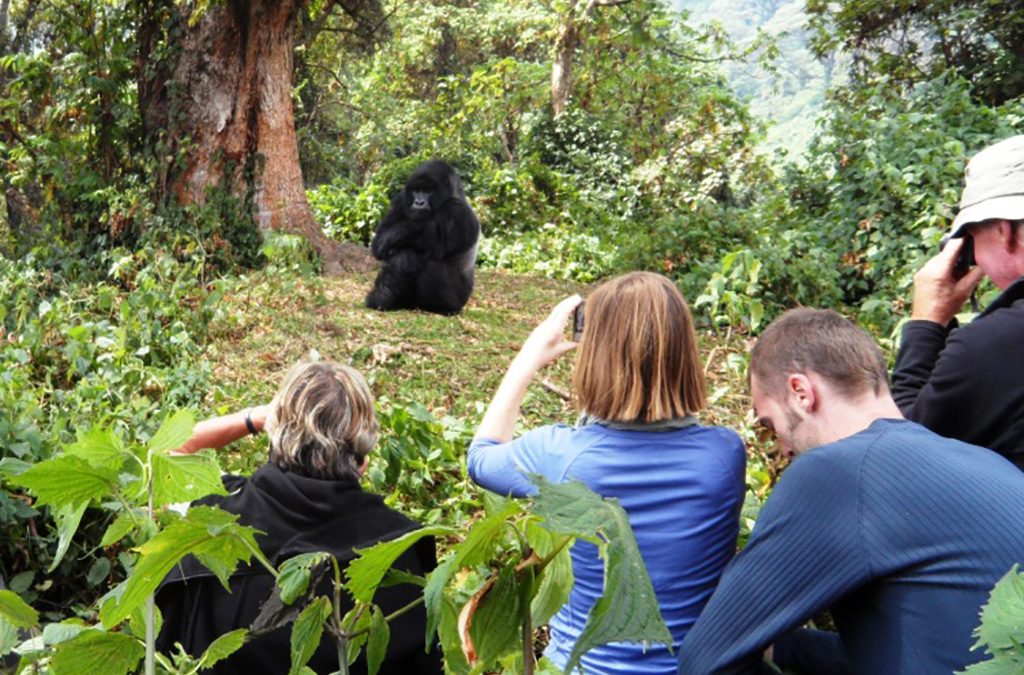
Why Combine Gorilla Trekking and Chimpanzee Trekking in Rwanda?
Combining gorilla and chimpanzee trekking in Rwanda gives travelers a deep and unforgettable primate adventure. You step into two different forests, meet two unique great ape species, and feel the raw beauty of Rwanda’s wild places. As you move from the misty slopes of Volcanoes National Park to the ancient green world of Nyungwe Forest, you experience sights, sounds, and emotions that stay with you forever. You feel the cool mountain air, hear distant calls echoing through the trees, and watch wildlife in moments that feel almost magical. This combined journey brings you close to nature, supports conservation, and gives you a true sense of Rwanda’s spirit and its commitment to protecting endangered species.
Why this Combination is Special
When you combine gorilla trekking and chimpanzee tracking, you enjoy two very different primate encounters. You meet mountain gorillas that move calmly through the forest, feeding, resting, and caring for their young. Their peaceful families make you feel connected to them in a quiet, emotional way. Then you meet chimpanzees, whose fast movements and loud calls bring a burst of energy to the forest. Their social behavior feels lively and exciting, making the experience completely different from your gorilla encounter.
This combination also takes you through two different natural environments. Volcanoes National Park surrounds you with volcanic peaks, bamboo forests, and high-altitude meadows. Nyungwe Forest covers you in thick rainforest, hanging vines, tall ferns, and deep valleys filled with birdsong. Together, these parks show you the full beauty of Rwanda’s landscapes.
Your permits and park fees help protect these fragile ecosystems. Every trek supports conservation teams, anti-poaching patrols, and local communities that depend on tourism. Therefore, your visit has a positive impact while giving you one of the most rewarding wildlife experiences in Africa.
Because you see different species, different habitats, and different behaviors, this adventure enriches your safari. You also get many chances for photography, from misty mountain mornings to bright sunlit openings in the rainforest. The variety of light, textures, and wildlife moments gives you lasting images and memories.
Planning Your Combined Trek
Most travelers begin with chimpanzee trekking in Nyungwe Forest and then travel north to Volcanoes National Park for gorilla trekking. This route flows naturally because it moves from the southwest to the northwest, making travel easy and scenic. You pass through rolling hills, tea plantations, and friendly rural villages along the way.
Gorilla permits cost more than chimpanzee permits, but both are essential for conservation and require advance booking. A good tour operator can help you secure permits, plan transport, and arrange accommodation close to the parks. Booking 3–4 months in advance ensures you get your preferred dates.
The dry months of June to September and December to February are ideal for combining the two treks. During these seasons, trails become easier to walk, and visibility improves. You get clear views of the forest, and chances of spotting wildlife increase.
Volcanoes National Park and the Gorilla Experience
 Volcanoes National Park sits in Rwanda’s far north along the Virunga Mountains. When you enter the park, you immediately feel the cool mountain air and see volcanic peaks rising above the treetops. The park covers about 160 square kilometers and links Rwanda with Uganda and the Democratic Republic of Congo. Its history goes back to 1925, making it Africa’s first national park. For many visitors, the spirit of Dian Fossey still feels present in the forest, reminding them of the long fight to protect mountain gorillas.
The park holds five major volcanoes: Karisimbi, Bisoke, Muhabura, Gahinga, and Sabyinyo. These peaks create different vegetation layers. At the base, bamboo forests sway in the wind. Higher up, you walk through woodlands, mossy trees, and alpine plants shaped by the cold mountain climate. Each step shows you new colors and textures, making the trek feel like a journey through several worlds.
Volcanoes National Park protects about one-third of the world’s mountain gorillas. When you trek, you join a group of eight travelers and meet rangers at the Kinigi headquarters. You arrive early, usually by 7:00 a.m., for a briefing about the gorilla families and safety rules. After the briefing, you walk into the forest at about 8:00 a.m., guided by trained rangers who lead the way.
The hike can be short or long, depending on where the gorillas moved overnight. Sometimes you reach them in 30 minutes; other times, you climb for several hours. As you trek, you hear birds calling and leaves crunching under your boots. The air smells fresh, and the forest slowly opens around you. When the rangers signal that gorillas are near, you feel your heartbeat rise with excitement.
Once you find the gorilla family, you spend one full hour watching them. You may see a silverback resting, mothers grooming their young, or juveniles playing and rolling on the ground. Their calm nature makes the moment unforgettable. You feel close to them, almost as if you are part of their world. The experience is emotional and peaceful. The minimum age for gorilla trekking is 15 years.
Nyungwe Forest and the Chimpanzee Experience
 Nyungwe Forest National Park lies in Rwanda’s southwest. The moment you enter, you feel the forest’s ancient presence. It stretches across more than 1,000 square kilometers with steep valleys, waterfalls, and high ridges covered in mist. The forest survived the Ice Age, which makes it one of Africa’s oldest rainforests. It also protects hundreds of plant and animal species that live nowhere else.
Nyungwe’s tall ferns, orchids, and mossy trees create a cool, green world. The forest shelters 13 primate species, including the famous Angola colobus and L’Hoest’s monkeys. Birds flash their colors between the leaves, and butterflies dance in the sunlight. The canopy walkway hangs 50 meters above the forest floor, giving visitors sweeping views of the landscape.
Chimpanzee trekking in Nyungwe is full of excitement. Two groups are habituated for visitors: the Uwinka group and the Cyamudongo group. You arrive for a briefing around 5:30 a.m. at Uwinka, Gisakura, or Kitabi station. The forest feels quiet at dawn, and you may hear distant chimp calls even before you start the hike.
The trek can take 2–6 hours, depending on where the chimpanzees move. Because chimps travel quickly and climb high into the trees, the trek feels more active and energetic than gorilla trekking. You walk through thick vegetation, listen to the rustling of branches, and follow ranger directions closely.
When you find the chimpanzees, you get one hour to watch them. Their behavior feels lively and human-like. You may see them grooming each other, calling loudly, playing, or feeding in the trees. Their energy fills the forest, giving you a thrilling wildlife moment. The minimum age for chimp trekking is 12 years.
Booking Your Adventure
To book this combined experience, you need separate permits for gorilla trekking and chimpanzee tracking. Gorilla permits cost $1,500 for foreign non-residents, and chimpanzee permits cost $250. You can book through the Rwanda Development Board or through trusted tour operators such as Iconic Africa Safaris. Your total cost depends on your travel style, number of days, and number of people traveling with you. Budget, mid-range and luxury options are all available.