
5 Best Family-friendly Safaris in East Africa
Best Family-friendly Safaris in East Africa
Planning a family safari in East Africa opens doors to unforgettable adventures. Your children will witness lions hunting across golden savannas while learning about wildlife conservation. These destinations offer safe environments where families can explore nature together. Moreover, experienced guides ensure everyone stays secure throughout the journey. East Africa provides excellent accommodations suitable for families with young children. The parks feature short game drives that keep kids engaged without exhausting them. Additionally, many lodges offer special activities designed specifically for younger visitors. You’ll find educational programs that teach children about ecosystems and animal behavior. Furthermore, the region’s diverse landscapes create perfect settings for family photography. Most importantly, these safaris create lasting memories that strengthen family bonds while inspiring environmental awareness in the next generation.
1. Masai Mara National Reserve: Kenya’s Wildlife Paradise
 The Masai Mara stands as Kenya’s most famous wildlife destination. Families arrive here to experience the Great Migration between July and October. During this period, millions of wildebeest cross the Mara River while crocodiles wait below. Your children will watch this dramatic spectacle from safe viewing points. The reserve covers 1,510 square kilometers of pristine wilderness. Lions roam freely across the plains alongside elephants, giraffes, and zebras.
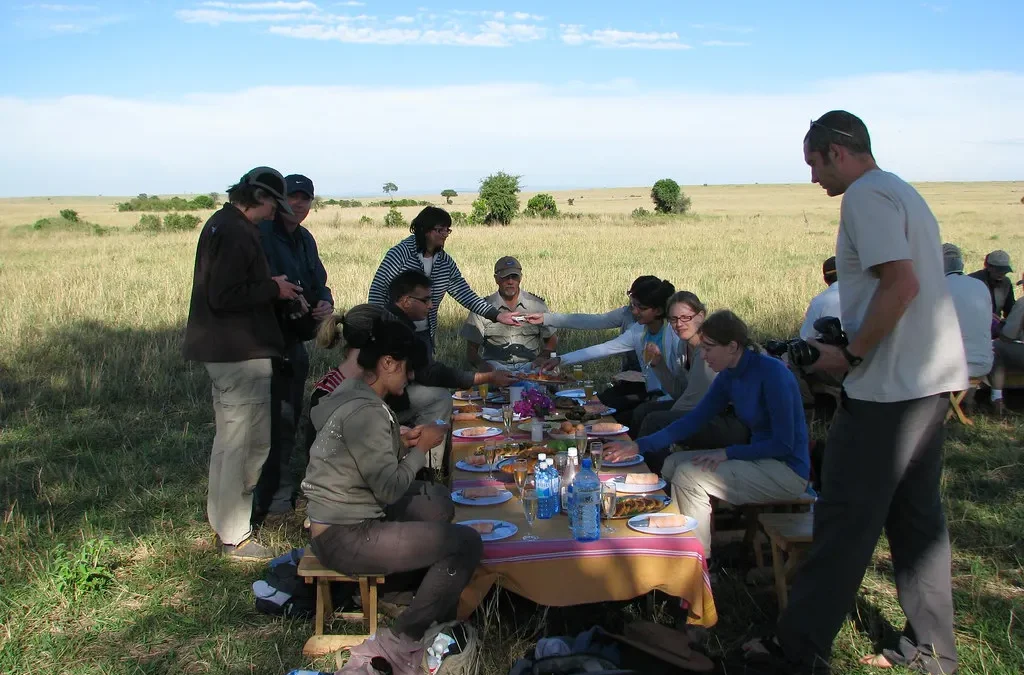
Many family-friendly camps provide spacious tents with proper beds and private bathrooms. These accommodations blend comfort with authentic safari experiences. Hot air balloon rides offer unique perspectives of the landscape at sunrise. Children above five years old can participate in these gentle flights. The balloons drift silently over herds of grazing animals below.
Cultural visits to Maasai villages enrich your family’s understanding of local traditions. Maasai warriors demonstrate traditional jumping dances while explaining their heritage. Kids enjoy learning about beadwork and listening to stories around evening campfires. The reserve maintains excellent road networks that reduce travel time between sightings. Professional guides spot hidden animals that untrained eyes might miss. They explain animal behaviors in simple terms that captivate young minds.
2. Serengeti National Park: Tanzania’s Endless Plains
 The Serengeti stretches across 14,750 square kilometers of Tanzania’s northern region. This vast ecosystem supports incredible biodiversity throughout the year. Families discover something remarkable regardless of their visit timing. The name “Serengeti” means “endless plains” in the Maasai language. These grasslands truly seem to extend forever toward distant horizons.
Big cats thrive here in exceptional numbers. Cheetahs hunt during daylight hours when visibility remains excellent. Your family can observe these sprints from comfortable safari vehicles. Meanwhile, leopards rest in acacia trees during hot afternoons. Evening game drives reveal nocturnal predators beginning their nightly activities.
Family lodges within the park offer swimming pools where children can cool off. Educational centers teach kids about conservation through interactive displays. Rangers lead walking safaris along designated trails for older children. These walks provide close encounters with smaller wildlife and insects. Additionally, the Serengeti features several hippo pools where these massive animals congregate.
The park connects seamlessly with Kenya’s Masai Mara ecosystem. Animals migrate between these protected areas following seasonal rainfall. Consequently, wildlife sightings remain consistent throughout different months. Rangers communicate via radio to locate recent animal movements. This coordination ensures your family maximizes their viewing opportunities during each drive.
3. Murchison Falls National Park: Uganda’s Powerful Waterfall
 Murchison Falls National Park showcases Uganda’s natural beauty through dramatic landscapes. The Victoria Nile crashes through a narrow gorge creating thunderous waterfalls. Boat cruises along the river bring families close to hippos and crocodiles. These aquatic safaris complement traditional vehicle game drives perfectly. Children find boat trips especially exciting because they offer different perspectives.
The park hosts Uganda’s largest populations of giraffes and elephants. Buffalo herds graze peacefully across the northern savanna zones. Bird enthusiasts spot over 450 species throughout various habitats. The rare shoebill stork attracts photographers from around the world. Your family might glimpse this prehistoric-looking bird near riverbanks.
Top-of-the-falls viewpoints provide spectacular photo opportunities for families. The water squeezes through a seven-meter gap before plunging downward. Rainbows form in the mist on sunny afternoons. Hiking trails lead to these viewpoints with minimal difficulty. However, parents should supervise young children near cliff edges.
Family lodges overlook the Nile while providing comfortable amenities. Many establishments offer babysitting services for younger children. This allows parents occasional romantic dinners under African stars. Meanwhile, swimming pools and playgrounds keep kids entertained during midday heat. The park remains less crowded than famous Kenyan and Tanzanian destinations. Therefore, your family enjoys more exclusive wildlife encounters.
4. Akagera National Park: Rwanda’s Conservation Success
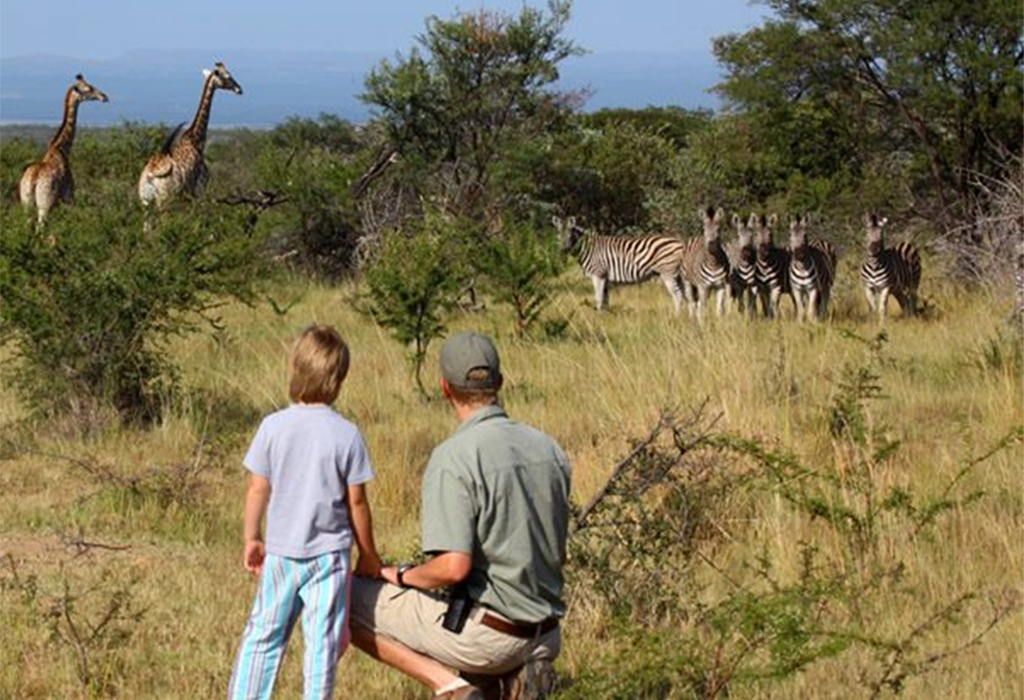 Akagera National Park demonstrates remarkable wildlife recovery following civil conflicts. Conservation efforts have successfully reintroduced lions and black rhinos. Today, families can spot Africa’s Big Five within this compact park. The park covers 1,122 square kilometers along Rwanda’s eastern border. Rolling hills transition into wetlands teeming with birdlife.
Lake Ihema dominates the southern landscape with its papyrus-lined shores. Boat safaris on this lake reveal hippos wallowing in shallow waters. Crocodiles sunbathe on muddy banks while fish eagles circle overhead. These trips typically last two hours, perfect for children’s attention spans. Guides share fascinating facts about aquatic ecosystems throughout the journey.
Game drives traverse varied terrain from acacia woodlands to open grasslands. Zebras, impalas, and topis graze in mixed herds across the plains. Giraffe families browse on tall trees while elephants dust themselves nearby. The park’s manageable size means shorter driving distances between animal sightings. Families complete full circuits within single-day visits if necessary.
Accommodation options include lakeside lodges with family cottages. These facilities provide modern conveniences while maintaining environmental consciousness. Rwanda’s excellent infrastructure ensures smooth travel throughout the journey. Roads within the park receive regular maintenance and remain accessible year-round. Furthermore, Rwanda’s safety and cleanliness make it ideal for families with young children.
5. Lake Nakuru National Park: Kenya’s Birdwatcher’s Haven
 Lake Nakuru National Park surrounds its alkaline lake in Kenya’s Rift Valley. Thousands of flamingos once created pink carpets across the water’s surface. Although flamingo numbers fluctuate based on water levels, the park offers diverse attractions. Families encounter both black and white rhinos during game drives. These critically endangered species receive intensive protection within the park.
The compact 188-square-kilometer park allows thorough exploration within limited timeframes. Tree-climbing lions rest in yellow acacia trees throughout the afternoon. This unusual behavior provides excellent photographic opportunities from below. Leopards also inhabit the rocky outcrops surrounding the lake. Baboon troops entertain children with their playful social interactions.
Viewpoints along Baboon Cliff offer panoramic vistas across the entire lake. Families enjoy picnic lunches while observing the landscape below. Waterfalls cascade through forested ravines during rainy seasons. Short nature walks introduce children to smaller creatures often overlooked during vehicle drives. Educational signs along trails explain ecological relationships within the environment.
The park’s proximity to Nairobi makes it accessible for weekend trips. Families can combine visits with nearby destinations creating comprehensive itineraries. Many lodges provide family rooms with interconnected spaces. This arrangement ensures parents maintain supervision while children have separate sleeping areas. Lake Nakuru represents an ideal starting point for first-time safari families.