
How Many Days You Need for a Safari in Uganda
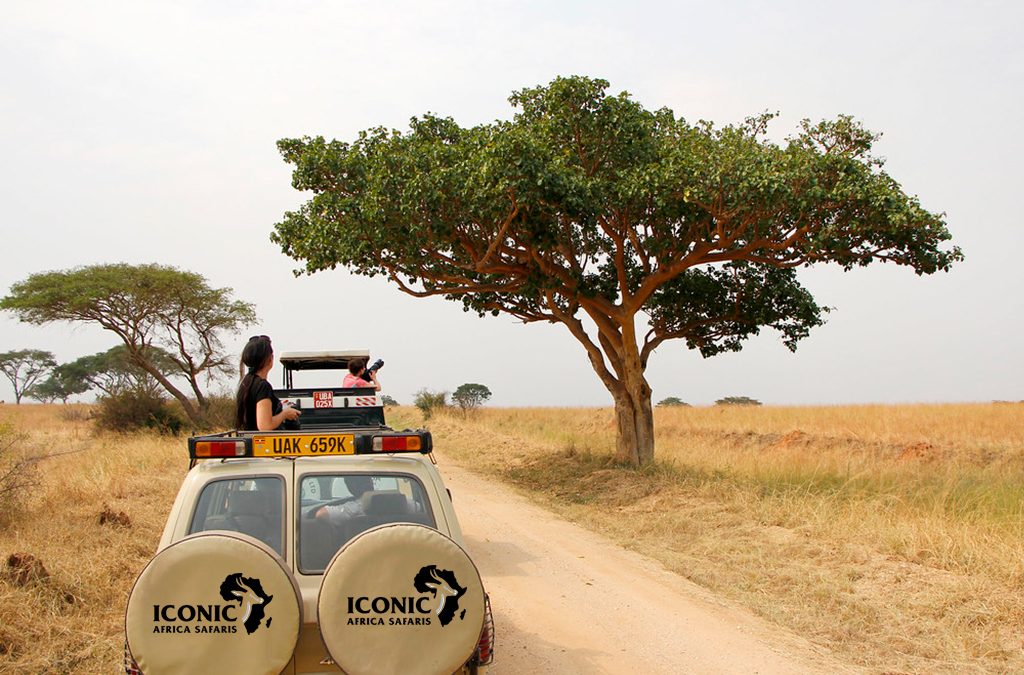
The number of Days You Need for a Safari in Uganda
A typical safari in Uganda offers travelers incredible wildlife experiences across multiple national parks. Most visitors discover that this East African gem requires careful planning to maximize their adventure. Uganda stands out as the “Pearl of Africa” with its unique combination of mountain gorillas, diverse wildlife, and stunning landscapes.
Planning your safari duration depends on several key factors. Your interests, budget, and available time all play important roles in determining the perfect trip length. Uganda’s compact size allows travelers to visit multiple destinations without excessive travel time. However, rushing through this beautiful country means missing its hidden treasures.
The country offers world-class gorilla trekking in Bwindi Impenetrable Forest. Additionally, visitors can track chimpanzees in Kibale Forest and spot the Big Five in various parks. Cultural encounters with local communities add depth to any safari experience. Most travelers find that Uganda exceeds their expectations, often wishing they had planned more time to explore.
Recommended Safari Durations
7-Day Safari Options
A seven-day safari works perfectly for first-time visitors to Uganda. This duration allows travelers to experience the country’s main highlights without feeling rushed. Most tour operators design 7-day itineraries around western Uganda’s premier destinations.
Your adventure typically begins in Kibale Forest National Park. Here, you can track habituated chimpanzee families through dense tropical rainforest. The experience usually lasts 2-4 hours and provides incredible photo opportunities. After chimpanzee tracking, many visitors explore the nearby Bigodi Wetland Sanctuary.
Next, travelers move to Queen Elizabeth National Park for traditional game drives. This park offers excellent wildlife viewing including elephants, lions, hippos, and various antelope species. The famous tree-climbing lions in Ishasha sector provide a unique safari highlight. Boat safaris on Kazinga Channel reveal incredible bird diversity and large hippo populations.
Finally, your journey concludes in Bwindi Impenetrable Forest for gorilla trekking. This once-in-a-lifetime experience involves hiking through thick forest to find habituated gorilla families. Visitors spend one magical hour observing these gentle giants in their natural habitat.
7-10 Day Extended Safaris
Extending your safari to 10 days opens up additional possibilities for exploration. This timeframe allows for a more relaxed pace and deeper cultural immersion. Travelers can include Murchison Falls National Park at the beginning of their journey.
Murchison Falls offers dramatic scenery where the Nile River forces through a narrow gorge. Game drives in this park provide excellent opportunities to spot giraffes, elephants, and various predators. Boat trips to the base of the falls create unforgettable memories. The park also offers excellent fishing opportunities for Nile perch.
With extra days, visitors can add cultural visits to local communities. These encounters provide insight into traditional Ugandan life and customs. Many travelers participate in village walks, traditional cooking classes, or craft workshops. Such experiences create meaningful connections with local people.
Additionally, longer safaris allow time for optional activities like nature walks and bird watching. Uganda hosts over 1,000 bird species, making it a paradise for bird enthusiasts. Professional guides help identify rare and endemic species throughout your journey.
10-14 Day Comprehensive Adventures
Two weeks in Uganda provides the ideal timeframe for comprehensive exploration. This duration allows travelers to visit remote areas and pursue specific interests. Your adventure can begin with specialized activities before moving to the main parks.
Starting with shoebill tracking in Mabamba Swamp creates an exceptional beginning. These prehistoric-looking birds are among Africa’s most sought-after species. The early morning canoe ride through papyrus swamps offers peaceful wildlife encounters. Success rates for shoebill sightings remain consistently high throughout the year.
Following Mabamba, visitors travel to Ziwa Rhino Sanctuary for rhino tracking. This sanctuary protects Uganda’s only wild rhinos and supports important conservation efforts. Walking safaris with armed guides provide close encounters with these magnificent creatures. The experience includes learning about rhino conservation and breeding programs.
With additional time, travelers can explore lesser-known parks like Lake Mburo or Semuliki. These destinations offer unique wildlife experiences away from crowded tourist areas. Lake Mburo specializes in zebras and impalas, while Semuliki features hot springs and unique bird species.
14+ Day Ultimate Expeditions
Extended safaris of two weeks or more allow for ultimate Uganda exploration. This timeframe suits travelers seeking complete immersion in East African wilderness. Adventure seekers can combine wildlife viewing with challenging activities like mountain hiking.
The Rwenzori Mountains offer exceptional trekking opportunities for experienced hikers. These “Mountains of the Moon” feature glaciated peaks and unique alpine vegetation. Multi-day treks require good fitness levels but reward climbers with incredible scenery. Professional guides ensure safety while sharing knowledge about local ecosystems.
Mount Elgon provides another excellent hiking destination with less demanding trails. This extinct volcano features the world’s largest volcanic crater and unique cave systems. Cultural encounters with the Bagisu people add educational value to mountain adventures.
Longer safaris also permit multiple gorilla trekking experiences in different locations. Visitors can track gorillas in both Bwindi and Mgahinga National Parks. Each location offers different terrain and gorilla families, creating varied experiences.
Key Planning Considerations
Matching Interests with Duration
Your specific interests should guide safari length decisions. Gorilla enthusiasts might focus on shorter trips centered around Bwindi Impenetrable Forest. However, wildlife photographers typically need longer periods to capture diverse species across multiple parks.
Bird watchers often prefer extended stays to maximize species observations. Uganda’s incredible bird diversity requires time to explore different habitats thoroughly. Serious birders often combine forest, savanna, and wetland environments for comprehensive species lists.
Cultural enthusiasts benefit from longer safaris that include multiple community visits. Understanding local traditions requires time for meaningful interactions with different ethnic groups. Extended stays allow for participation in festivals, ceremonies, and traditional activities.
Budget Considerations
Safari duration directly impacts total costs, requiring careful budget planning. Longer trips involve higher accommodation, transportation, and activity fees. However, per-day costs often decrease with extended bookings due to package deals.
Gorilla permits represent significant expenses at $800 per person per trek and these permits are secured through Uganda Wildlife Authority or Tour Operators such as Iconic Africa Safaris. Multiple gorilla experiences quickly increase overall safari costs. Budget-conscious travelers might limit themselves to single gorilla encounters while maximizing other activities.
Transportation costs vary depending on chosen destinations and group sizes. Private vehicles offer flexibility but increase expenses for solo travelers. Group tours reduce individual costs while maintaining good wildlife viewing opportunities.
Pace and Travel Style Preferences
Your preferred travel pace influences ideal safari duration significantly. Fast-paced travelers can cover multiple destinations in shorter timeframes. However, rushed itineraries often result in travel fatigue and missed opportunities.
Relaxed travelers prefer longer stays in fewer destinations for deeper exploration. This approach allows for multiple game drives in each park and flexible scheduling. Photography enthusiasts particularly benefit from unhurried approaches to wildlife viewing.
Consider physical demands when planning safari pace and duration. Gorilla trekking requires moderate fitness levels and can be physically challenging. Multiple treks or long travel days between destinations increase fatigue levels.
Transportation between parks involves varying travel times on sometimes challenging roads. Factor these journey times into your overall planning to avoid disappointment. Realistic scheduling ensures you enjoy each destination without feeling rushed.
Extended safaris provide opportunities for rest days and spontaneous activities. Flexibility becomes more important during longer trips as weather or wildlife movements might affect planned activities. Buffer days allow for adjustments without compromising major experiences.
Uganda rewards travelers who invest adequate time in exploration. Whether you choose a focused week-long adventure or an extended month-long expedition, this remarkable country delivers unforgettable wildlife encounters and cultural experiences.