
How to Plan a Safari to See Wild Dogs in Tanzania
How to Plan a Safari to See Wild Dogs in Tanzania
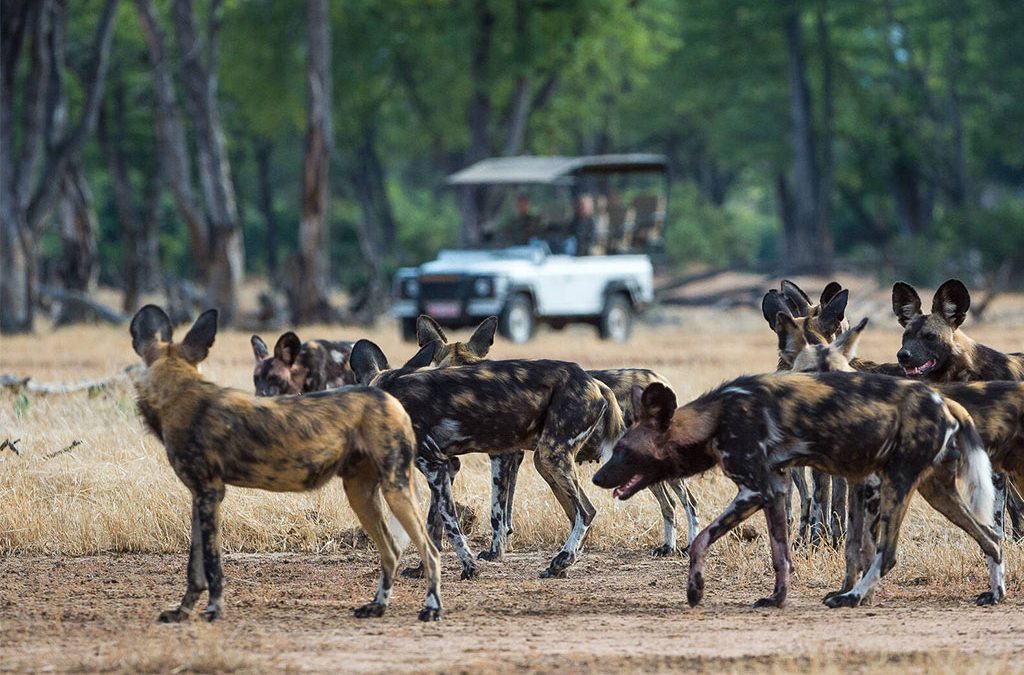
Wild dogs in Tanzania offer one of Africa’s most thrilling wildlife experiences. These magnificent creatures, also called painted dogs, roam across Tanzania’s vast wilderness in organized packs. Tanzania hosts Africa’s largest wild dog population, making it the perfect destination for wildlife enthusiasts. These social animals display incredible hunting skills and unique pack behavior that fascinates visitors worldwide. Their distinctive mottled coats and large ears make them easy to identify during game drives. However, spotting wild dogs is not guaranteed though most likely through careful planning and patience. They cover large territories and move constantly while hunting.
Understanding Wild Dogs and Their Behavior
African wild dogs live in complex social groups that typically include ten members. Nevertheless, some packs can grow much larger depending on food availability and territory size. These animals prefer open woodlands and savanna grasslands where they can hunt effectively. Their cooperative hunting strategy makes them incredibly successful predators with an 80% success rate.
Furthermore, wild dogs play a crucial role as keystone species in Tanzania’s ecosystems. They control prey animal populations and maintain ecological balance across their territories. Their hunting patterns also create opportunities for scavengers like hyenas and vultures. Additionally, wild dogs communicate through unique vocalizations and body language that strengthens pack bonds.
Best National Parks for Wild Dog Sightings
Ruaha National Park
Ruaha National Park stands out as Tanzania’s premier destination for wild dog encounters. This massive park supports several wild dog packs throughout the year. The park’s diverse landscape includes woodlands, grasslands, and seasonal rivers that attract various prey species.
Moreover, Ruaha’s remote location means fewer tourists and more authentic wildlife experiences. The park’s vast size allows wild dog packs to establish large territories without human interference. Local guides possess extensive knowledge about pack movements and denning sites. Consequently, your chances of successful sightings increase significantly when visiting Ruaha.
Nyerere National Park (Former Selous)
Nyerere National Park, previously known as Selous Game Reserve, offers exceptional wild dog viewing opportunities. This UNESCO World Heritage site covers enormous wilderness areas with minimal human development. The park’s river systems and floodplains create ideal hunting grounds for wild dog packs.
Additionally, Nyerere’s boat safaris provide unique perspectives for wildlife viewing. You can spot wild dogs drinking at riverbanks or crossing water channels during their hunting expeditions. The park’s professional guides maintain detailed records of pack locations and behavior patterns.
Optimal Timing for Your Safari
Dry Season
The dry season from July to October provides the best conditions for wild dog sightings. During this period, shorter grass offers better visibility across the savanna landscape. Prey animals concentrate around permanent water sources, making wild dog hunting patterns more predictable.
Furthermore, dry conditions mean clearer roads and easier access to remote areas. Wildlife photography becomes more rewarding with excellent lighting and unobstructed views. Many lodges also offer special rates during this peak viewing season.
Denning Season
July and August mark the denning season when female wild dogs give birth to pups. During this time, packs remain closer to den sites, making them easier to locate. You might witness adorable pups playing outside their dens under adult supervision.
However, remember that wild dogs show extreme caution around den sites. Maintaining respectful distances ensures the safety of both animals and visitors. Professional guides understand these behavioral patterns and position vehicles appropriately for optimal viewing without disturbance.
Planning Your Safari Itinerary
Extended Stay
Longer safaris dramatically increase your chances of encountering wild dogs. Plan at least five to seven days in areas known for wild dog populations. This extended timeframe allows for multiple game drives and exploration of different territories.
Consider splitting your time between two wild dog hotspots like Ruaha and Nyerere. Each park offers unique landscapes and different pack dynamics to observe. Multiple locations also provide backup options if one area experiences temporary low activity.
Daily Schedule Optimization
Schedule both morning and afternoon game drives for maximum wildlife exposure. Wild dogs often hunt during cooler hours when temperatures drop and prey animals become more active. Early morning drives frequently produce exciting predator encounters.
Plan rest periods during midday heat when wild dogs typically seek shade and rest. Use this time for lodge relaxation, cultural visits, or planning evening strategies with your guide.
Additional Wildlife Opportunities
While focusing on wild dogs, Tanzania offers incredible diversity for complete safari experiences. Combine your wild dog adventure with Big Five viewing in famous parks like Serengeti or Ngorongoro Crater.
Southern Tanzania’s parks provide excellent opportunities for rare antelope species, elephants, and bird watching. Northern circuit parks offer the Great Migration spectacle and diverse predator populations. This combination creates comprehensive wildlife experiences beyond your primary wild dog objectives.
Booking and Preparation Tips
Reserve your safari well in advance, especially for peak dry season dates. Popular lodges and experienced operators fill up quickly during prime wild dog viewing months. Early booking also secures better rates and preferred accommodation options.
Prepare appropriate safari clothing including neutral colors, comfortable walking shoes, and quality binoculars. Pack extra camera batteries and memory cards for extensive wildlife photography opportunities. Consult your doctor about necessary vaccinations and health precautions for Tanzania travel.
Research current park fees, permit requirements, and entry procedures before departure. Some parks require advance bookings for camping or specific activities. Understanding these requirements prevents delays and ensures smooth safari experiences.