
Best Time for Gorilla Trekking in Rwanda
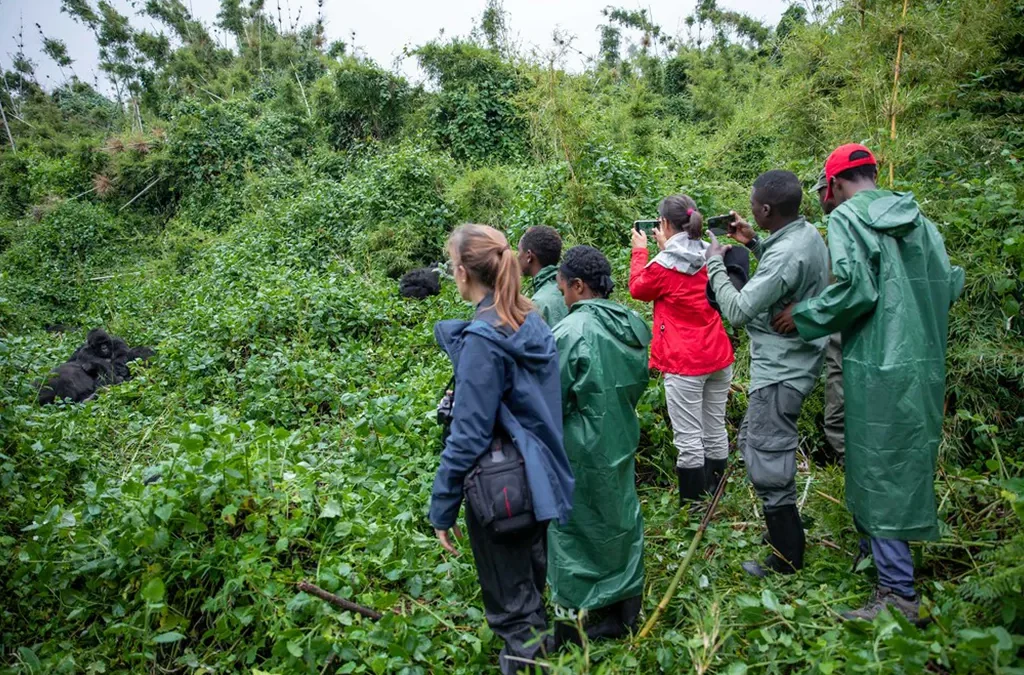
Best Time for Gorilla Trekking in Rwanda: The Complete Guide
Planning a trip to see the mountain gorillas raises one obvious, practical question worth answering first. The best time for gorilla trekking in Rwanda falls within two dry seasons: June-September and mid-December to February. Volcanoes National Park offers firmer trails during these months, letting you focus energy on the climb, not mud. Local guides typically rate July and August the most comfortable trekking months, with December close behind despite heavier crowds.
That single answer only tells half the story, though, since trekking actually runs every single day. Rwanda’s dense rainforest sits at considerable altitude near the equator, so showers can appear even during peak dry months. Wet-season mornings, meanwhile, frequently open under genuinely clear skies well before any real rain eventually arrives. Rangers still track every gorilla family’s exact location each morning, regardless of whatever the forecast happens to bring. Sighting rates stay comfortably above ninety-five percent across every single month, proving timing shapes comfort more than trekking success. Thousands of travellers complete rewarding treks through April, May, October, and November, trading firm ground for quieter trails.
This guide covers four things: when to go, what trekking feels like, and which destinations suit permit holders. We’ll walk through Rwanda’s climate patterns and month-by-month conditions, then move into the practical mechanics of the trek itself. From there, we’ll cover combining your gorilla safari in Rwanda with Akagera and Nyungwe, closing with an itinerary.
Quick Answer: Best Time for Gorilla Trekking in Rwanda
Read this section first if you genuinely only have time to read just this one part.
| Travel Goal | Recommended Months | Why |
|---|---|---|
| Best overall weather | June, July, August, September (early), December, January, February | Driest trails and the most predictable, easiest hiking conditions found |
| Best value for money | March, April, May, October, November | Lower lodge rates alongside noticeably quieter national park trails throughout |
| Best for photography | June and December | Lush green scenery paired with genuinely dry, wonderfully clear skies |
| Best for permit flexibility | April, May, November | Reduced overall demand allows considerably more flexible booking closer to travel |
| Best for combining parks | June to September | Dry roads speed up transfers considerably between Volcanoes and Akagera parks |
| Most crowded, book early | July, August, December, January | School holidays overlap directly with the busiest stretch of peak season |
Personal priorities ultimately shape which particular months genuinely count as “best” for your own specific trip. A photographer chasing perfect golden light will naturally choose differently than a family working strictly around school terms. Budget-conscious travellers, meanwhile, often prioritise real cost savings over guaranteed dry weather entirely throughout their journey.
Best Time for Gorilla Trekking in Rwanda — Seasons Explained
Rwanda sits almost directly on the equator, and Volcanoes National Park climbs sharply upward from that low starting point. Elevation within the park ranges broadly between roughly 2,400 and 4,507 metres above sea level. That unusual combination of equatorial location and high-altitude rainforest produces four genuinely distinct seasons packed into one calendar year. Simple summer-and-winter thinking simply doesn’t apply anywhere near these dramatic, cloud-wrapped volcanic slopes and misty forests. Understanding these four seasons reveals the genuine best time for gorilla trekking in Rwanda for your trip.
The Two Dry Seasons
- Long dry season, June to September: This period delivers the most reliable trekking conditions found across the entire year. Rainfall drops sharply, humidity falls noticeably, and the forest floor firms up considerably after months of steady seasonal rain. Mornings can still feel genuinely cool and misty at higher altitude around the towering volcanoes nearby.
- Short dry season, mid-December to mid-February: This shorter window brings slightly less predictable weather than the longer June stretch. Trails still stay noticeably drier compared with the months immediately before and directly after this period. Christmas, New Year, and early-year school holidays all overlap directly with this particularly popular travel period.
The Two Rainy Seasons
- Long rainy season, mid-March to May: Rwanda experiences its heaviest, most sustained rainfall of the year during this stretch. Trails turn genuinely muddy, hiking naturally slows down, and the whole park empties out considerably during these damp weeks. Bargain hunters, however, consistently find their very best lodge deals exactly during this quieter seasonal window.
- Short rainy season, October to mid-December: Showers return considerably more frequently once the drier September transition period finally ends. Rain generally arrives as shorter afternoon downpours rather than the extended, all-day soakings common throughout April. Mornings often stay dry enough for a genuinely comfortable, unhurried start to each day’s scheduled trek.
Why the Season Boundaries Aren’t Rigid
- Weather patterns shift slightly from year to year, so treat official season dates as only a rough, general guideline. Rains sometimes arrive earlier than usual, and dry spells occasionally linger considerably longer than most travellers might reasonably expect.
- Altitude alone changes trekking conditions dramatically within the park’s several different sectors and higher trekking zones. A gorilla family near Bisoke might sit under warm sunshine one morning, while another group faces cold, damp mist.
- Even a dry-season morning can begin with light rain before clearing entirely by around nine most days. Tropical rainforest climates naturally produce short, localised showers even during the very driest calendar months of the year.
Best Time for Gorilla Trekking: Dry Season vs Rainy Season Comparison
| Factor | Dry Season (Jun–Sep, mid-Dec–Feb) | Rainy Season (Mar–May, Oct–mid-Dec) |
|---|---|---|
| Trail conditions | Firmer ground offers considerably easier footing and far less slipping | Muddy, slippery sections demand extra care and genuinely steady balance |
| Gorilla visibility | Thinner undergrowth makes gorillas noticeably easier to spot and photograph | Denser vegetation can partially obscure gorillas hidden within thick foliage |
| Crowd levels | Peak demand fills entire trekking groups quickly across most weeks | Quieter parks mean smaller groups and considerably less permit competition |
| Permit availability | Sells out many months ahead, especially across July, August, and December | Preferred dates typically remain available with sometimes just weeks’ notice |
| Accommodation rates | Peak pricing applies broadly, particularly at boutique lodges near Kinigi | Many lodges discount rooms substantially by twenty to thirty percent |
| Scenery and colour | Landscapes turn considerably drier and dustier, though remaining visibly green | Deep, vivid green forest genuinely rewards landscape photographers most generously |
| Overall difficulty | Most fitness levels manage these firmer trails comfortably and confidently | Trekking becomes considerably more strenuous, genuinely rewarding hikers carrying trekking poles |
The Honest Truth About Rain and a Rwanda Gorilla Trek
- Rain very rarely cancels a scheduled gorilla trek anywhere within Rwanda’s genuinely well-organised national park system. Trackers enter the forest well before dawn to locate each family’s overnight nesting spot fairly precisely.
- Gorillas themselves show remarkably little discomfort during rainfall, since dense forests remain their entirely natural habitat. Heavier showers often push whole gorilla families to huddle together beneath dense vegetation nearby for shelter.
- Wet trails present the real practical challenge here, not the actual possibility of a cancelled trek. Trekking poles, gaiters, and grippy waterproof boots quickly become essential rather than merely optional trekking gear.
Best Time for Gorilla Trekking in Rwanda: Month by Month
January – Peak Season, Excellent Weather
January sits comfortably within Rwanda’s shorter dry season window, offering genuinely reliable trekking conditions throughout the month. Daytime temperatures typically climb toward twenty-seven to twenty-nine degrees Celsius across the park’s lower forest elevations. Trails generally stay firm throughout January, making it genuinely comfortable for first-time or fairly nervous trekkers. Crowds remain fairly heavy following December’s holiday rush, so book permits three to four months ahead for January.
February – Peak Season, Best Overall Weather
February frequently edges out January as the calendar’s single driest and most reliable overall travel month. Highs reach roughly twenty-seven to twenty-nine degrees Celsius, accompanied by cooler, crisper mornings up at altitude. Trails count among the entire year’s easiest, thanks largely to the well-drained volcanic soil found underfoot. Excellent weather pairs neatly with noticeably better permit availability during this particular seasonal window each year.
March – Low Season, Rains Begin
March opens Rwanda’s gradual transition into the country’s longer annual wet season across the whole region. Daytime temperatures hover near twenty-three degrees Celsius, dropping to roughly twelve degrees overnight at higher altitude. Budget-conscious travellers find genuine value here, since overall permit demand drops fairly noticeably throughout the month. Lodges near the park begin offering meaningful discounts as overall visitor numbers steadily fall throughout March.
April – Low Season, Heaviest Rainfall
April typically brings the single wettest stretch found anywhere across Rwanda’s entire calendar year, statistically speaking. Trails present their most challenging conditions of the year, covered in thick, slippery red volcanic mud. Permit availability, meanwhile, reaches its absolute yearly peak, rewarding flexible, genuinely well-prepared travellers quite generously indeed. Photographers particularly value April’s dramatic, misty atmosphere spreading across the surrounding forested volcanic slopes each morning.
May – Low Season, Rains Continue
May largely carries forward April’s already established rainfall pattern across most of the wider national park. Overall tourism reaches its quietest point of the entire year across the whole country during May. Solitude-seeking travellers particularly value this uncrowded stretch over sheer convenience and reliably predictable weather patterns generally. Vegetation reaches peak lushness during May, occasionally revealing newborn gorillas sheltering closely beside their attentive mothers.
June – Peak Season Begins, Weather Improving Fast
June marks the genuine beginning of Rwanda’s longer, considerably more reliable dry season each calendar year. Trails firm up noticeably throughout June, though residual lushness keeps the whole forest vividly green regardless. Demand for permits rises quickly from this point forward all the way through to late September. Early booking for both permits and lodges becomes genuinely essential starting from this particular month onward.
July – Peak Season, Ideal Conditions
July ranks among the two single most popular months for gorilla trekking across Rwanda each year, overall. Stable, dry conditions bring highs near twenty-five degrees Celsius alongside genuinely minimal rainfall throughout the month. Demand peaks correspondingly during July, with well-known gorilla families occasionally selling out several months ahead entirely. Top lodges near Volcanoes National Park fill quickly across this particularly busy entire trekking month each year.
August – Peak Season, Best Weather of the Year
Local guides frequently rank August as the single genuinely best trekking month found anywhere across Rwanda. Warm, dry days near twenty-six degrees Celsius pair nicely with cool, comfortable nineteen-degree nights at altitude. Demand reaches its absolute yearly maximum during August, making early booking essential for most serious travellers. Four to six months’ advance notice remains strongly recommended specifically for family-group trekking permits during August.
September – Late Peak Season, Transitional Weather
September officially remains part of Rwanda’s long dry season, though conditions gradually begin shifting midway through. Scattered showers, however, become gradually more frequent as the month steadily progresses toward its eventual close. Tour operators still classify September firmly as peak season for both booking and pricing purposes throughout. Early reservations remain wise despite the month’s genuinely shifting and increasingly unpredictable weather patterns overall each year.
October – Shoulder Season, Rain Returns
October opens Rwanda’s noticeably shorter annual rainy season, ushering in wetter conditions across the whole country. Trails soften considerably compared with September, though rarely matching April’s genuinely extreme, muddy overall conditions underfoot. Flexible, budget-conscious travellers particularly benefit from October’s improving overall availability and its considerably lower total costs. Prime birdwatching season also genuinely begins now, continuing steadily all the way through until next April.
November – Shoulder Season, Unpredictable Showers
November continues the short rains, swinging unpredictably between sunny mornings and sudden, much heavier afternoon downpours. This particular month ranks among the year’s quietest for overall tourism demand across Rwanda entirely, statistically. Strong lodge availability pairs neatly with genuinely flexible permit booking throughout these considerably quieter November weeks. Migratory birds continue arriving steadily throughout November, rewarding travellers who combine primates with dedicated, focused birdwatching.
December – Peak Season Returns, Festive Crowds
December brings back Rwanda’s shorter dry season alongside genuinely heavy holiday travel demand throughout the country. Demand spikes sharply around Christmas and New Year, filling both permits and lodges remarkably fast indeed. Family-friendly bookings should ideally happen several months ahead, given December’s genuinely predictable annual holiday travel rush. Festive, multi-generational trips particularly favour December’s winning combination of good weather and genuine holiday celebration overall.
Best Time for Gorilla Trekking by Traveller Type
- Photographers generally split between two strategies: dry-season clarity, or misty rainy-season shots from March through November each year. Golden light remains available every single month, since treks always begin around seven or eight in the morning.
- Families with teenagers, given the minimum trekking age of fifteen, generally favour December, January, or June-to-August school holidays. Avoid April and May with families, since slippery, muddy sections genuinely tire out young trekkers on steep ground.
- Luxury travellers should book properties near Kinigi four to six months ahead for peak dates, since rooms stay limited. October and November suit travellers wanting quieter lodges alongside generally manageable weather conditions throughout the entire trip.
- Budget travellers save the most money in March through May, when lodge rates drop furthest and demand eases. October and November offer a milder version of that value, with easier booking on shorter notice.
Best Time for Gorilla Trekking: Weather, Rainfall, and Permits
- Volcanoes National Park spans a dramatic altitude range, climbing from roughly 2500 metres at the boundary toward Karisimbi’s peak. Temperature drops noticeably as trekkers climb higher from the gate into deeper montane forest zones overhead.
- Rain typically arrives as short, localised showers rather than sustained, day-long downpours throughout most seasons here. Red volcanic mud coats the steepest sections most heavily during April and May, so trekking poles noticeably improve balance.
- Around 112 gorilla permits are issued daily across the park’s roughly fourteen habituated families, each capped at eight guests. July, August, and December remain the tightest months, often requiring six to twelve months’ notice for your preferred date.
- Permits cost an identical $1,500 per person for foreign non-residents throughout the entire calendar year. No cost incentive exists tied to season, since only availability and lodge pricing genuinely shift from month to month.
- Lodge availability near Volcanoes National Park closely tracks permit demand, clustering around Kinigi town and the wider Musanze area. Boutique and luxury lodges book out fastest, while mid-range properties generally retain more flexibility during genuinely busy months.
The Gorilla Trekking Experience in Rwanda
Understanding what actually happens on trekking day helps you prepare properly, regardless of which month you choose. Every trek begins at Kinigi park headquarters, just outside Volcanoes National Park, with a seven o’clock morning briefing. Rangers assign each group of up to eight guests to one specific habituated family based on fitness and interest. Roughly fourteen gorilla families across the park welcome visitors daily, each requiring a different level of exertion to reach. Choosing the best time for gorilla trekking in Rwanda shapes trail conditions, but the experience itself stays remarkably consistent.
What a Typical Trekking Day Looks Like
- Briefings start around seven, giving rangers time to share safety rules and match groups to gorilla families. Trackers, meanwhile, have already been in the forest since dawn, locating each family’s current whereabouts precisely.
- The actual hike toward your assigned gorilla family can take anywhere from thirty minutes to several hours. Distance depends entirely on where that particular family happened to settle the previous night, which shifts constantly.
- Once your group finds the gorillas, you spend exactly one hour observing them at a respectful, ranger-set distance. This single hour, regulated strictly to protect gorillas from stress and disease, forms the actual heart of the experience.
- Armed rangers and experienced guides accompany every group throughout the entire trek, providing both safety and rich local knowledge. Porters, hired at the park gate, carry bags and offer a genuinely steadying hand along steep sections.
What Your Gorilla Permit Actually Covers
- The $1,500 permit fee covers park entrance, professional guiding, tracker services, and your full hour with the gorillas. It does not include porter fees, guide tips, transport, meals, or any accommodation costs near the park.
- A significant portion of permit revenue funds anti-poaching patrols, veterinary care, and community projects surrounding Volcanoes National Park directly. Schools, health centres, and local infrastructure near the park boundary benefit meaningfully from this dedicated tourism revenue.
- Cancelled or missed treks are not refunded under any circumstances, so travel insurance genuinely matters for this particular trip. Buying your permit through a licensed operator or the Rwanda Development Board ensures everything stays properly documented and secure.
Fitness, Rules and What to Pack
- Reasonable overall fitness genuinely helps, since treks can involve walking anywhere from thirty minutes to several hours steadily. Uneven volcanic terrain, sometimes situated well above 2,500 metres altitude, adds meaningful physical demand throughout the climb.
- Strict rules protect the gorillas: stay seven metres away, avoid direct eye contact, and never eat near them ever. Sick visitors are asked to reschedule, since gorillas share roughly ninety-eight percent of human DNA and catch illnesses easily.
- Waterproof, ankle-height hiking boots matter more than any other single piece of gear you actually pack. Add gaiters, a rain jacket, gardening gloves for grabbing vegetation, and a daypack with water and snacks inside.
Choosing the Right Lodge Location Near the Park
Lodge location near Volcanoes National Park represents a genuine strategic decision, not merely a comfort preference alone. Properties closer to Kinigi reduce pre-dawn driving time considerably, improving overall safety during noticeably muddier months especially. Some lodges sit closer to specific trailheads used by particular gorilla families, shaving valuable minutes off early transfers. Ask your operator which families typically depart from near your chosen lodge before finalising any specific booking.
Other Things to Combine With Gorilla Trekking in Rwanda
Rwanda’s genuinely compact size makes combining several very different experiences realistically achievable within one single trip. Most visitors extend their stay beyond Volcanoes National Park to include at least one, sometimes two, additional destinations nearby. Pairing other parks with the best time for gorilla trekking in Rwanda creates one efficient, well-timed itinerary.
Akagera National Park: Savannah and the Big Five
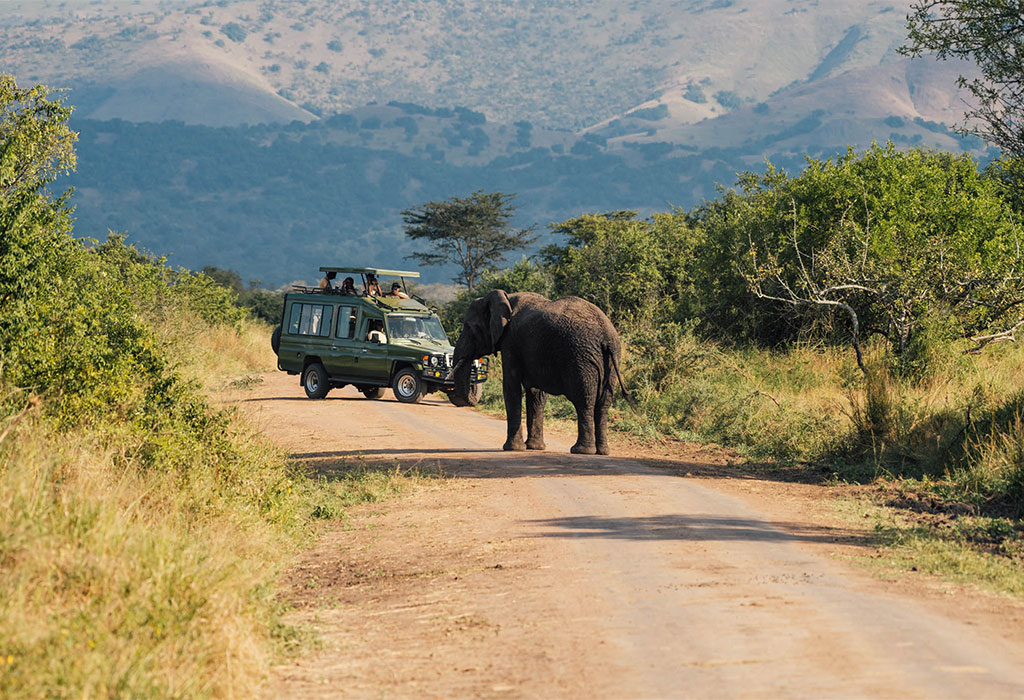
Dry months stretching from June through February concentrate Akagera’s wildlife around noticeably shrinking lakes and waterholes. That same convenient dry window happens to suit gorilla trekking conditions perfectly, creating one efficient, shared itinerary. Typical routes spend two to three days trekking before continuing onward toward Akagera National Park for game drives. Boat safaris across Lake Ihema round out that particular portion of a combined Rwandan safari nicely.
Nyungwe Forest National Park: Chimpanzees and Canopy Walks
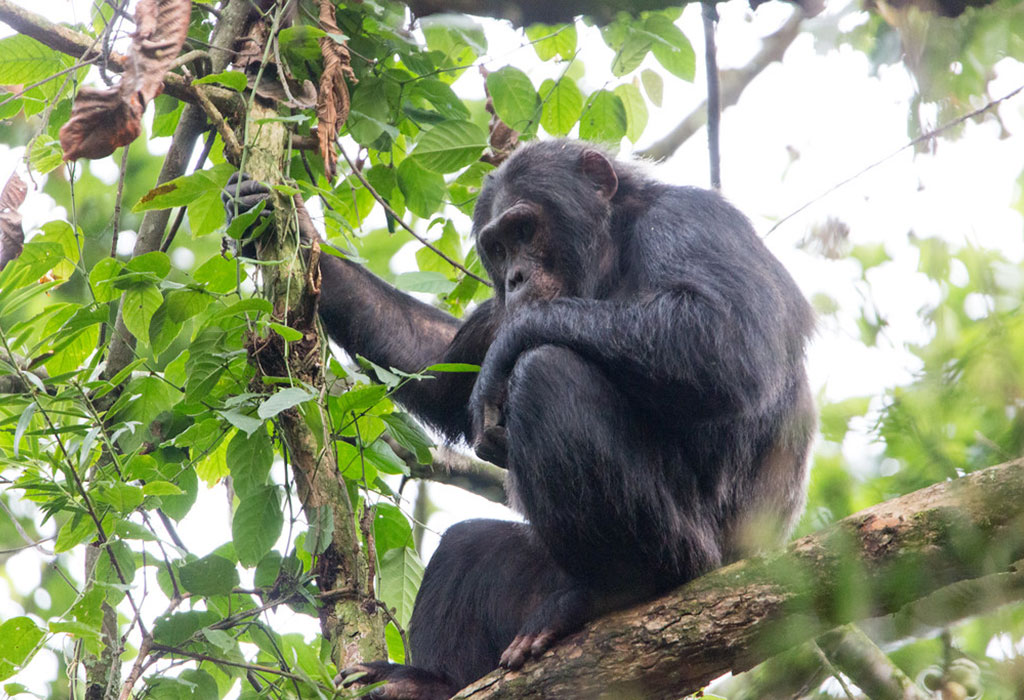
Nyungwe Forest behaves rather like Volcanoes National Park in terms of overall rainfall sensitivity throughout the year. Dry-season windows genuinely work best for pairing chimpanzee trekking and the famous canopy walkway together with gorillas. Rain, however, falls across Nyungwe during nearly every single month, regardless of the wider seasonal pattern elsewhere. Pack proper wet-weather gear for this particular leg no matter which specific month you actually travel.
Golden Monkey Trekking and the Dian Fossey Hike
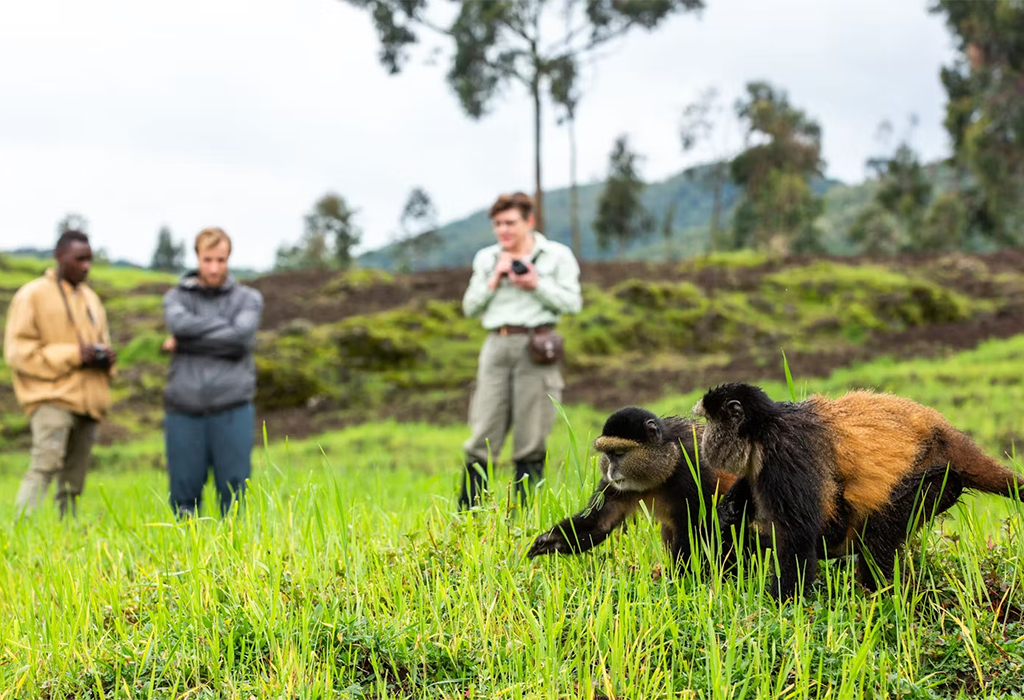
Golden monkey trekking happens within Volcanoes National Park itself, making it easy to add onto a gorilla-trekking morning. These playful primates live in the park’s bamboo zones and require considerably less strenuous hiking than gorilla families. History-minded travellers can also hike to Dian Fossey’s former research camp and grave site nearby entirely. That particular hike runs longer and steeper than most gorilla treks, so build in extra time accordingly.
Kigali City and the Genocide Memorial

Most itineraries begin or end in Kigali, roughly two to three hours’ drive from Volcanoes National Park itself. The Kigali Genocide Memorial offers a sobering, essential stop for understanding modern Rwandan history before or after your trek. Kigali’s growing food and art scene also rewards travellers with a spare day at either end of the trip.
Sample Gorilla Trekking in Rwanda Safari – 7 Day Itinerary
| Day | Location | Activities |
|---|---|---|
| Day 1 | Kigali | Arrive, transfer to your hotel, and rest after your international flight |
| Day 2 | Kigali → Nyungwe Forest | Scenic drive southwest, arriving in time for an evening forest walk |
| Day 3 | Nyungwe Forest | Chimpanzee trekking in the morning, followed by the famous canopy walkway |
| Day 4 | Nyungwe → Volcanoes National Park | Long transfer north, breaking the journey through Rwanda’s scenic tea-growing hills |
| Day 5 | Volcanoes National Park | Full-day gorilla trekking, followed by an afternoon visiting a local community project |
| Day 6 | Volcanoes → Akagera National Park | Transfer east across the country, arriving in time for a sunset game drive |
| Day 7 | Akagera National Park | Morning boat safari on Lake Ihema, then transfer back to Kigali for departure |
Here is the complete, day-by-day breakdown for this particular seven-day sample route through Rwanda:
- Day 1, Kigali: Most international flights land at Kigali International Airport in the late afternoon or evening. A private transfer takes you straight to your hotel, leaving the rest of the day free to rest.
- Day 2, travelling to Nyungwe: The drive southwest takes roughly six hours through Rwanda’s famously hilly, terraced countryside. Breaking the journey at a roadside viewpoint or coffee stop makes the transfer feel considerably shorter.
- Day 3, Nyungwe Forest: Morning chimpanzee trekking through dense montane forest typically takes two to four hours round trip. The afternoon canopy walkway, suspended seventy metres above the forest floor, delivers sweeping views across the valley.
- Day 4, travelling north: This transfer runs longer, typically taking most of the day given Rwanda’s winding mountain roads. Many travellers break the drive with a stop in Kigali or at a roadside cultural centre.
- Day 5, gorilla trekking: This is the trip’s central day, beginning with the seven o’clock Kinigi park briefing. Your specific trek length depends entirely on where your assigned gorilla family happened to settle overnight.
- Day 6, travelling east: The transfer crosses much of northern and eastern Rwanda, typically taking four to five hours. Arriving before sunset allows time for an evening game drive as animals become active once again.
- Day 7, departure day: A morning boat safari on Lake Ihema often reveals hippos, crocodiles, and abundant waterbirds nearby. An afternoon transfer back to Kigali connects smoothly with your evening international flight departing back home.
This particular route works well as written, though shorter three- or four-day gorilla-only versions remain equally popular choices. Our specialists can adjust the pace, add extra nights, or swap destinations to match your own travel style precisely.
Insider Tips From a Local Rwanda Safari Expert
Our experienced, Rwanda-based planning team shares the practical details that genuinely matter most out on the ground. Nailing the best time for gorilla trekking in Rwanda matters, but these ground-level details matter just as much.
- Book your permit immediately once your travel dates are confirmed, rather than simply waiting until later. July, August, and December permits routinely sell out six or more months ahead quite reliably each year.
- Don’t dismiss the rainy season simply because your own travel dates happen to be fixed already. Some of our most memorable treks unfolded during a light April drizzle with completely empty trails nearby.
- Pack for mud genuinely seriously, treating waterproof gear as essential rather than merely a nice-to-have optional extra. Ankle-height, already broken-in boots paired thoughtfully with gaiters make trekking noticeably more comfortable throughout the entire day.
- Lean heavily on your experienced guide’s local knowledge of that specific family’s recent movement patterns throughout the week. Experienced guides track recent feeding locations closely and often estimate genuinely shorter, more direct available routes.
- Hire a porter for genuinely excellent value, regardless of which particular season you actually choose to travel. Beyond simply carrying bags up the mountain, porters represent meaningful local employment tied directly to conservation tourism.
Frequently Asked Questions
Is there a bad time to trek gorillas in Rwanda?
Not really, since genuinely rewarding trekking remains possible across every single month found throughout the calendar year. Permits stay valid daily, and gorilla families get carefully tracked by rangers regardless of prevailing weather conditions. April, May, October, and November bring noticeably muddier, more physically demanding trails throughout the surrounding rainforest. Fewer crowds and considerably lower accommodation prices, however, consistently accompany these particular months throughout the year.
Can you see gorillas during the rainy season?
Yes, absolutely, since trekking continues entirely uninterrupted throughout every single wet-season month found across the calendar year. Trackers reliably locate each gorilla family every single morning before guests even begin their actual scheduled trek. Rain therefore rarely cancels or meaningfully shortens your eventual, genuinely memorable gorilla encounter within the misty forest. Many travellers actually find quieter, greener rainy-season treks just as rewarding as much busier peak-season alternatives.
What Is the Best Time for Gorilla Trekking in Rwanda?
August generally ranks as the single best month, sitting comfortably deep within Rwanda’s long dry season. Minimal rainfall, consistently firm trails, and comfortable temperatures define this particular stretch of the year reliably. July, June, January, and February also perform strongly as close secondary contenders throughout the entire year. December similarly offers strong dry-season conditions alongside genuinely lush, wonderfully photogenic surrounding scenery throughout the park.
Does the Best Time for Gorilla Trekking in Rwanda Change From Year to Year?
Slightly, yes, since Rwanda’s overall climate shifts a little from one year to the next each season. Official season boundaries serve only as a general guideline rather than a strict, permanently fixed rule. Some years bring rain earlier than expected, while dry spells occasionally linger longer than usual across the country. Checking recent conditions with your chosen tour operator shortly before travel helps you pack appropriately for any weather. Regardless of small yearly shifts, trekking itself remains rewarding and genuinely possible in every single month.
How far in advance should I book a Rwanda gorilla permit?
Peak months, specifically July, August, and December, generally require booking somewhere between six to twelve months ahead. Securing your preferred date alongside matching lodge availability becomes genuinely difficult without sufficiently early advance planning overall. Shoulder months like January, February, June, and September typically need roughly three to six months’ notice. Quieter rainy months, spanning March through May and October through November, comfortably allow for shorter notice.
Do I need to be physically fit for gorilla trekking in Rwanda?
Reasonable overall fitness genuinely helps, since treks can involve walking anywhere from thirty minutes to several hours. Uneven volcanic terrain, sometimes situated well above 2,500 metres altitude, adds meaningful physical demand throughout the trek. Athletic ability isn’t strictly required, though comfortable footwear and honest fitness communication both help considerably beforehand. Guides carefully match trekkers to appropriately paced gorilla families based partly on each guest’s stated fitness level.
Is Rwanda or Uganda better for gorilla trekking?
Both countries genuinely deliver world-class mountain gorilla trekking, making “better” largely dependent on your own personal priorities. Rwanda’s Volcanoes National Park sits considerably closer to Kigali, offering shorter transfers and genuinely streamlined overall trip logistics. Uganda’s Bwindi Impenetrable Forest, meanwhile, offers noticeably lower permit costs alongside a greater number of habituated gorilla families. Your available budget, preferred travel style, and broader itinerary ultimately determine which particular destination genuinely suits you better.
Plan Your Rwanda Gorilla Trekking Safari With Iconic Africa Safaris
Knowing the best time for gorilla trekking in Rwanda represents only half of planning your trip well. Having a trusted, experienced local team matters equally, securing permits early and matching lodges thoughtfully to your needs. Our specialists carefully build itineraries around your own specific travel style, whether that’s fast-paced or deliberately unhurried instead.
Our Rwanda gorilla safari packages reflect exactly the seasonal factors carefully explained throughout this comprehensive travel guide. Local specialists help combine gorilla trekking with Volcanoes National Park, Akagera National Park, and Nyungwe Forest National Park smoothly.
Ready to see the magnificent mountain gorillas of Rwanda for yourself sometime this year, in person? Contact our team today, and let’s start planning trekking dates, lodges, and itineraries suited perfectly to you. You can as well write to us directly via info@iconicafricasafaris.com or tap on the WhatsApp Icon hovering on your screen on the bottom right side, for instant messaging.