
Wild Encounters From Serengeti Plains to Bwindi Hills
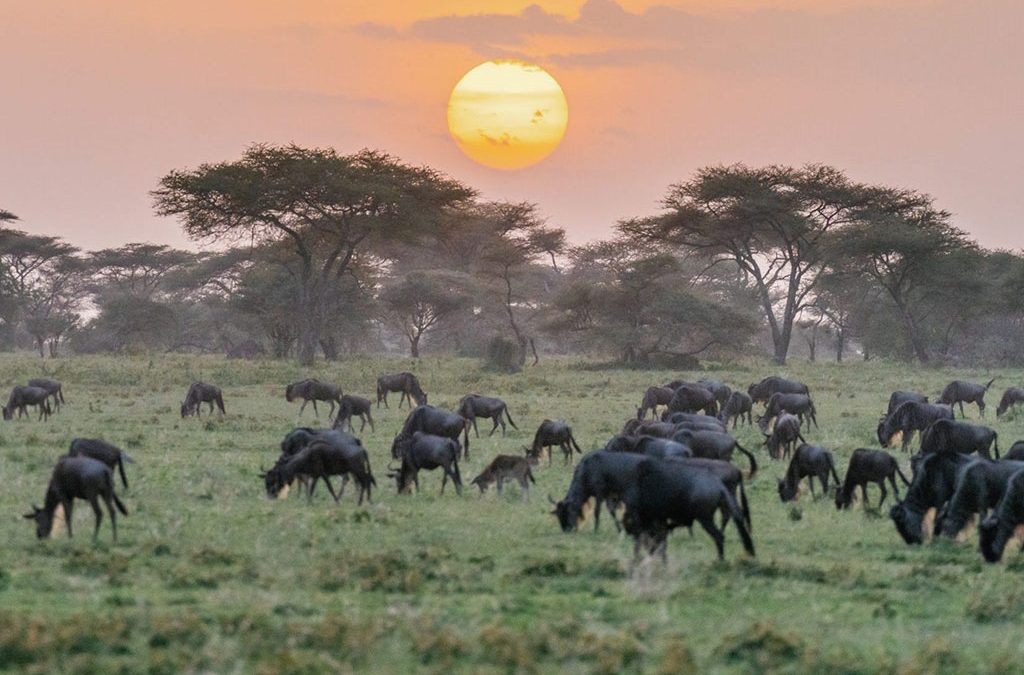
From the expansive Serengeti plains in Tanzania to the misty Bwindi Hills in Uganda, diverse ecosystems house incredible species and breathtaking landscapes. This journey highlights unforgettable wild encounters, showcasing the power, beauty, and mystery of nature in East Africa. Exploring these iconic regions provides a unique perspective on wildlife behavior, ecosystems, and conservation efforts. Let us venture from the open savannah of the Serengeti to the dense forests of Bwindi for an immersive wildlife adventure.
The Serengeti Plains
The Serengeti Plains stretch over 30,000 square kilometers of grassland in northern Tanzania. This iconic ecosystem supports one of the greatest wildlife spectacles on Earth. The vast open plains teem with life, especially during the Great Migration. Every year, millions of wildebeests, zebras, and gazelles traverse the plains in search of fresh grazing. They face fierce predators like lions, cheetahs, and hyenas along the way.
Early morning game drives in the Serengeti immerse visitors in this dynamic world. As the sun rises, the golden light illuminates herds of elephants calmly feeding. Nearby, lions lounge in the shade, conserving energy for the chase. Suddenly, a cheetah bursts from cover, sprinting after a fleet-footed gazelle. This intense chase captures the raw essence of survival. The landscape supports a diverse array of wildlife beyond the famous big cats and ungulates. Giraffes browse acacia trees, while vultures circle overhead, waiting for scavenging opportunities.
Moreover, the Serengeti’s large predators play a crucial ecological role by regulating prey populations. This balance maintains the health of the grassland. Ranger-led walking safaris allow an intimate connection with the ecosystem. You track animal footprints and discover the smaller creatures that often go unnoticed, such as pangolins and monitor lizards. The chorus of bird calls fills the air, adding richness to the encounter.
Transitioning Landscapes – Journey to Ngorongoro Crater
Leaving the open plains, the route leads to the Ngorongoro Conservation Area. This volcanic caldera forms a natural enclosure bustling with life. Unlike the flat Serengeti, the crater’s steep walls create distinct habitats ranging from grassland to forest edge. Here, animal densities are much higher because water and shelter concentrate wildlife within the caldera.
Driving down into the crater is like entering a biodiversity hotspot. Within minutes, you spot a black rhino browsing with wary eyes. Nearby, a large herd of cape buffalo moves slowly across the valley floor. Predators such as the elusive leopard hide in rocky outcrops, waiting for an unguarded meal. The Ngorongoro Crater exemplifies nature’s variation and resilience. It provides sanctuary for endangered species and allows visitors to witness intense predator-prey relationships in a compact area.
Crossing Borders: Arrival in Bwindi Impenetrable Forest
After experiencing the expansive savannah, the adventure turns into the dense, mysterious Bwindi Impenetrable Forest in southwestern Uganda. This UNESCO World Heritage site contrasts sharply with the Serengeti’s openness. Bwindi’s thick rainforest harbors some of the rarest and most endangered primates on Earth—mountain gorillas.
The journey to Bwindi involves traveling through rugged terrain and beautiful landscapes dotted with small villages. The air grows more humid, and vibrant greenery surrounds you at every turn. Upon entering the forest, a profound silence envelops the environment. Towering trees, dense undergrowth, and creeping vines create a living cathedral where light filters softly through the canopy.
The Mountain Gorilla Encounter
One of the greatest wildlife encounters in the world happens here: tracking mountain gorillas. With only around 1,000 individuals left in the wild, gorilla trekking in Bwindi is both a privilege and responsibility. Guided by experienced trackers, you follow Gorilla Families slowly moving through the forest underbrush.
The encounter is powerful and humbling. The gorillas exhibit complex social behavior, surprising gentle eyes, and remarkable intelligence. You observe silverbacks, the large mature males, leading their families with care and strength. Mothers cradle their infants tenderly, while juveniles play and explore. The close proximity to these magnificent creatures fosters deep respect and emotional connection.
Moreover, the experience highlights the importance of conservation. Gorilla survival depends on protecting their forest home and minimizing human impact. Local communities work tirelessly alongside conservationists to preserve Bwindi’s ecosystem. Gorilla trekking thus supports both wildlife and sustainable development.
Birdwatching and Other Wildlife in Bwindi
While the gorillas remain the main attraction, Bwindi’s biodiversity extends beyond these great apes. The forest hosts over 350 bird species, making it a paradise for birdwatchers. Colorful sunbirds, turacos, and hornbills add splashes of color to the verdant environment. Small mammals like forest elephants, chimpanzees, and peculiar reptiles contribute further to the richness of flora and fauna.
Walking through Bwindi, one hears the forest’s many sounds—the distant hoot of a hornbill, the rustling of small animals in the underbrush, or the bubbling of streams. Each moment reveals new details of an ecosystem thriving in symbiotic harmony.
Conservation Success and Sustainable Tourism
Both Serengeti and Bwindi represent conservation success stories, where ongoing efforts protect crucial habitats. In Serengeti, anti-poaching patrols and community involvement safeguard the big-game populations that attract global tourism. Similarly, Bwindi’s conservation programs focus on habitat restoration, research, and community education.
Sustainable tourism plays a pivotal role. Visitors contribute financially to park management and local economies. In Bwindi, involving local people ensures benefits from tourism, reducing human-wildlife conflict and promoting stewardship. This model encourages long-term protection of wilderness areas.
Furthermore, conservation extends beyond protecting animals directly. Efforts also focus on maintaining ecological integrity and mitigating climate change effects. Healthy forests sequester carbon and support water cycles essential to millions of people. Therefore, wildlife encounters become opportunities to appreciate nature’s interconnectedness and reinforce our duty to conserve it.
The Emotional Impact of Wild Encounters
Spending time in these wild places transforms visitors. Witnessing lions coordinating hunts, elephants nurturing young calves, and gorillas displaying family bonds opens hearts. Such encounters kindle a sense of wonder and responsibility.
Moreover, these experiences educate about ecological balance and species interdependence. People leave with stories that inspire others and promote global conservation awareness. They learn that protecting wildlife is not only about rare animals but preserving landscapes vital for humanity’s future.
Conclusion: From Plains to Forest, A Journey of Connection
Traveling from the Serengeti Plains to the Bwindi Hills offers an incredible spectrum of wildlife encounters. Each region presents unique landscapes and species, connected by an underlying theme of survival and coexistence. The Serengeti dazzles with open-sky drama and vast migrations, while Bwindi captivates with intimate forest journeys and profound primate connections. Together, these wild encounters foster a deep appreciation for nature’s resilience and fragility.