
Should I Bring Gloves for Gorilla Trekking in Bwindi?
Should I Bring Gloves for Gorilla Trekking in Bwindi?
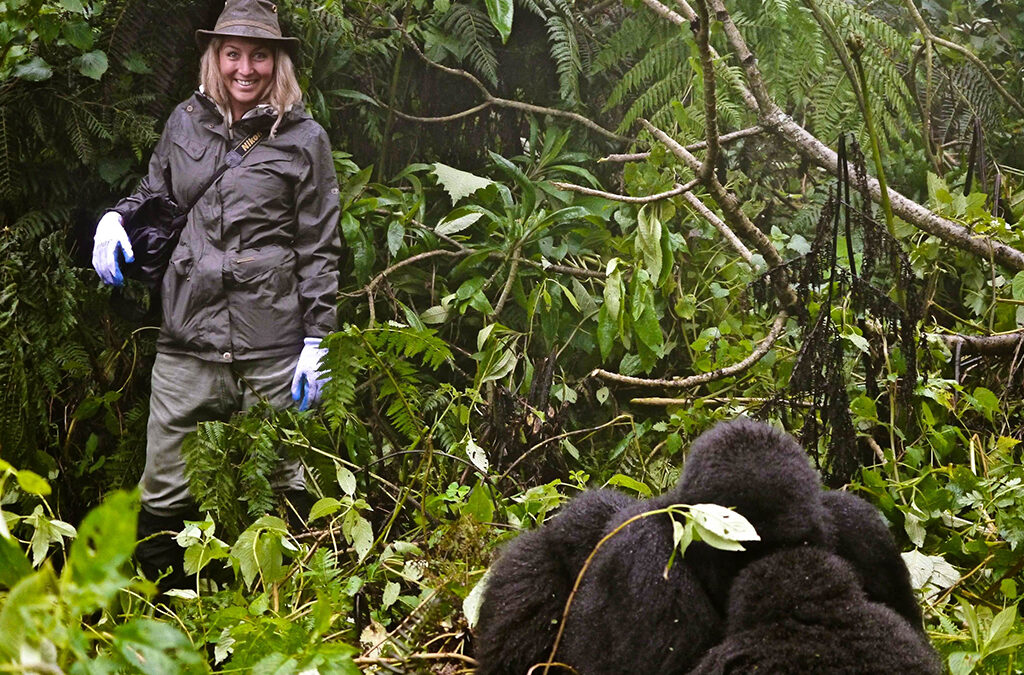
Yes, bringing gloves for gorilla trekking in Bwindi Impenetrable Forest National Park protects your hands from thorny plants and insects. These durable accessories shield you from scratches while you navigate through dense forest vegetation during your trek. Lightweight gardening gloves or outdoor tactical gloves work best for this challenging terrain and weather conditions. The forest floor contains many thorny bushes and stinging nettles that easily damage exposed skin without proper protection. Heavy winter gloves prove too bulky for this tropical environment where temperatures stay moderate throughout the year. Good gloves also provide better grip when you grab branches and vines for support along steep trails.
Why Gloves Matter for Your Trek
Protection from Forest Hazards
The dense forest creates multiple risks for unprotected hands during your gorilla trekking adventure in Uganda. Thorny vegetation covers much of the ground and low branches scratch exposed skin as you move through trails. Stinging nettles grow throughout the park and cause painful irritation when they touch bare hands during hiking. Sharp branches and rough bark damage skin when you use trees for balance on steep sections. Many insects live in the forest and bite exposed areas like hands and fingers throughout the day.
Support and Safety Benefits
Gloves improve your grip on wet branches and vines when you need support on difficult terrain. They protect your palms from cuts and scrapes when you grab rough surfaces for balance. The extra grip helps prevent slips on muddy sections where solid handholds make the difference between safety and falls. Clean gloves also create a barrier against germs and dirt that you encounter while touching various surfaces.
Choosing the Right Gloves
Material and Design Features
Select lightweight gloves made from tough synthetic materials or heavy-duty fabric that breathe well in humid conditions. Look for gloves with textured palms that provide excellent grip on wet branches and rocky surfaces. Avoid thick winter gloves that make your hands sweat and reduce your ability to grasp objects properly. Choose designs that allow full finger movement while still protecting your hands from thorns and insects.
Weather Considerations
Pick gloves that work well in both dry and wet conditions since weather changes quickly in mountain forests. Waterproof options help during rainy season treks but regular durable gloves work fine in dry weather. The elevation creates cooler temperatures where light gloves provide just enough warmth without overheating your hands. Breathable materials prevent moisture buildup that makes your hands uncomfortable during long hikes through challenging terrain.
Essential Clothing for Gorilla Trekking
Upper Body Protection
Long-sleeved shirts protect your arms from scratches and insect bites while you move through dense vegetation. Choose moisture-wicking synthetic fabrics or merino wool that dry quickly after you sweat during strenuous hiking. Avoid cotton materials that hold water and stay wet for hours after you perspire or encounter rain. Pick neutral colors like khaki or green that blend with forest surroundings and attract fewer insects. Look for shirts with UPF ratings that block harmful sun rays during breaks in open areas.
Lower Body Gear
Long pants shield your legs from thorny plants and mud that cover most forest trails during treks. Select quick-drying fabrics that stretch easily when you climb over fallen logs and steep rocky sections. Convertible pants that zip into shorts give you options when temperatures change throughout your hiking day. Choose pants with reinforced knees that resist tears from sharp rocks and rough ground during difficult climbs.
Weather Protection
A lightweight waterproof jacket protects you from sudden rain showers that happen frequently in mountain forests. Look for Gore-Tex or similar materials that keep water out while allowing sweat to escape naturally. Include features like sealed seams and ventilation zippers that help you stay comfortable in changing weather conditions. A good hood keeps rain off your head and neck during heavy downpours that last for hours.
Foot Care Essentials
Moisture-wicking hiking socks prevent blisters during long walks on uneven forest trails filled with rocks and roots. Choose wool or synthetic blends that keep your feet dry even when your boots get wet. Select crew or mid-calf lengths that protect your ankles from chafing against boot tops during extended hiking. Pack extra pairs since your feet stay wet for hours in muddy conditions that dominate most trails.
Additional Gear Requirements
Head and Eye Protection
Wide-brimmed hats shield your face and neck from strong mountain sun during breaks in forest cover. Baseball caps work well for lighter protection while beanies provide warmth at higher elevations where temperatures drop significantly. Quality sunglasses with UV protection reduce glare and eye strain while you navigate through bright and shadowy areas. Polarized lenses improve visual clarity when you look for gorillas in dense vegetation with mixed lighting conditions.
Safety Equipment
Face masks protect gorillas from human diseases and show respect for these endangered animals during close encounters. Gaiters keep mud and insects out of your boots while preventing debris from making your feet uncomfortable. Trekking poles provide stability on steep slopes and reduce strain on your knees during long descents. Headlamps or flashlights help during early morning starts when darkness limits your vision on forest trails.
Medical Supplies
A basic first-aid kit handles minor cuts and scrapes that commonly occur during forest hiking adventures. Pack bandages and antiseptic wipes for treating small wounds from thorns and sharp branches along trails. Include pain relievers and antihistamines for dealing with insect bites and general hiking discomfort during long days. Blister treatment supplies prevent small foot problems from becoming serious issues that end your trek early.
Where to Get Your Gear
Local tour operators in Uganda and Rwanda rent most trekking equipment at reasonable prices for visitors. Outdoor retailers in Entebbe and Kigali sell quality gear if you prefer to buy rather than rent. International brands like REI and Patagonia offer excellent equipment that ships worldwide for advance planning. Friends and family who have completed gorilla treks often loan gear to save money on expensive items.