
How to plan a Primate Safari in Uganda Over Christmas
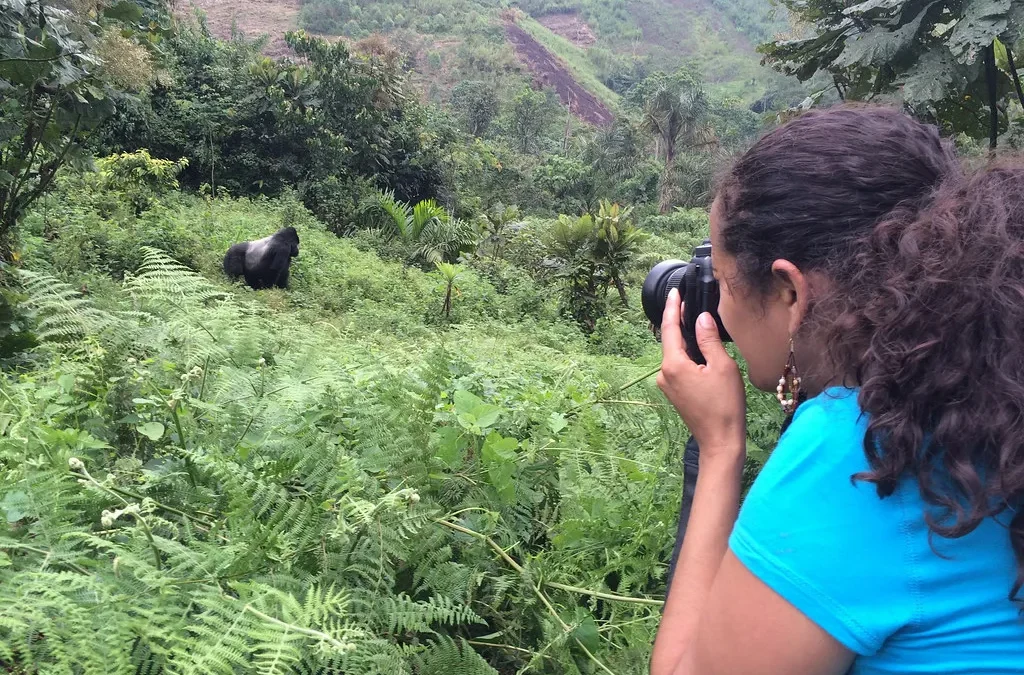
Primate Safari in Uganda over Christmas
A Primate safari in Uganda over Christmas offers an excellent opportunity to see gorillas and chimpanzees during the dry season. December brings favorable weather conditions that make trekking easier and more comfortable for visitors. The short dry season provides clearer trails and better visibility while tracking these amazing primates through their natural habitats. Uganda’s national parks remain open during Christmas holidays and offer special wildlife viewing experiences. This five-day adventure combines gorilla trekking in Bwindi with chimpanzee tracking in Kibale National Park. The timing allows travelers to celebrate Christmas while experiencing Africa’s most remarkable primate encounters. Wildlife activity increases during this period as animals move more freely in drier conditions.
Why Christmas in December is the Best Time for Primate Tracking
December falls within Uganda’s short dry season which creates ideal conditions for primate trekking activities. The weather remains relatively dry although occasional rain showers still occur throughout the month. Gorillas and chimpanzees stay more active during this period and move along established trails more frequently. The dry conditions make hiking through forest terrain less challenging and muddy paths become more manageable. Wildlife photographers benefit from better lighting conditions and clearer views of primates in their natural environment. Park rangers report higher success rates for gorilla and chimpanzee sightings during December trekking expeditions. Christmas travelers often experience unique wildlife encounters as animals display increased social behaviors during this season.
Detailed 5-Day Safari Itinerary
Day 1: Journey to Kibale National Park
Your safari begins with an early morning departure from Kampala heading toward Kibale National Park. The drive takes approximately five hours through Uganda’s beautiful countryside and rolling hills covered in green vegetation. Along the way you will stop at the famous Amabere caves which hold cultural significance for local communities. These limestone caves feature interesting rock formations and provide insight into traditional Ugandan folklore and history. After exploring the caves you will visit nearby crater lakes that showcase Uganda’s volcanic geological features. The crater lakes offer stunning views and excellent photography opportunities for nature enthusiasts and wildlife photographers. You will arrive at your lodge near Kibale National Park in the early evening for dinner.
Day 2: Chimpanzee Trekking Adventure
Morning brings your first major primate encounter as you head into Kibale Forest for chimpanzee tracking. The forest houses over 1,500 chimpanzees making it one of Africa’s best locations for primate viewing. Your experienced guide will lead you through established trails while sharing knowledge about chimpanzee behavior and forest ecology. The trek typically lasts two to four hours depending on where the chimpanzee groups are located. Once you locate a chimpanzee family you will spend one hour observing their daily activities and social interactions. After lunch you will visit Bigodi Wetland Sanctuary which protects over 200 bird species and various primates. The wetland walk provides additional wildlife viewing opportunities and supports local community conservation efforts.
Day 3: Transfer to Bwindi Through Queen Elizabeth Park
The third day involves traveling from Kibale to Bwindi Impenetrable National Park via Queen Elizabeth National Park. Your route takes you through the Ishasha sector which is famous for its tree-climbing lions. These unique lions have adapted to climbing fig trees and provide excellent wildlife viewing opportunities. The game drive through Ishasha offers chances to see elephants, buffaloes, antelopes and various bird species. You will stop for lunch at a scenic location overlooking the savanna landscape before continuing to Bwindi. The drive to Bwindi takes you through changing landscapes from savanna to mountain forest terrain. You will arrive at your lodge near Bwindi in the late afternoon with time to rest.
Day 4: Gorilla Trekking Experience
Day four presents the highlight of your safari with mountain gorilla trekking in Bwindi Impenetrable Forest. Morning briefing at the park headquarters covers safety guidelines and gorilla tracking procedures before you begin. Your ranger guide will lead you through thick forest vegetation following trails used by gorilla families. The trek duration varies from one to six hours depending on gorilla movement patterns and location. When you encounter a gorilla family you will spend exactly one hour observing these gentle giants. The experience includes watching gorillas feed, play, groom each other and interact within their family groups. After gorilla trekking you will enjoy a boat cruise on Lake Bunyonyi which offers relaxation and scenic views.
Day 5: Return Journey to Kampala
Your final day begins with breakfast at your lodge before starting the return journey to Kampala. The drive back takes approximately eight hours with several stops for rest and sightseeing opportunities. You will visit the Uganda Equator crossing where you stand in both northern and southern hemispheres simultaneously. This popular tourist stop offers souvenir shopping and photo opportunities at the equator monument and marker. Local vendors sell handmade crafts and traditional Ugandan items that make excellent travel souvenirs and gifts. The journey continues through rural Uganda where you see local communities and traditional farming practices. You will arrive in Kampala in the early evening completing your five-day primate safari adventure.
Essential Planning Requirements
Permits and Reservations
Gorilla trekking permits cost $800 per person and must be booked months in advance especially for Christmas. Chimpanzee tracking permits cost $250 per person and should also be reserved early to guarantee availability. The Uganda Wildlife Authority manages all primate permits and requires advance payment for confirmed bookings. Christmas season represents peak travel time so permits sell out quickly during this popular period. Travel agencies help secure permits but charge additional fees for booking and processing services. You should book permits through Iconic Africa Safaris at least 3-4 months before your planned travel dates to avoid disappointment.
Accommodation Options
Lodge bookings require early reservations during Christmas season as availability becomes limited near popular parks. Luxury lodges offer comfortable rooms with private bathrooms and excellent meal services near both parks. Mid-range lodges provide good accommodation with basic amenities and often include meals in their package rates. Budget options include community-run guesthouses and camping sites that offer affordable accommodation for budget-conscious travelers. All accommodation levels provide easy access to park entrances and trekking starting points for convenience.
Transportation Requirements
A four-wheel drive vehicle is necessary for navigating rough terrain and unpaved roads leading to both parks. Professional drivers familiar with local roads and conditions ensure safe travel throughout your safari journey. Self-drive options are available but require experience with challenging road conditions and navigation through remote areas. Group tours provide shared transportation costs but follow fixed schedules that may limit flexibility and personal preferences.
Packing and Preparation
Essential Clothing Items
Pack layers of clothing suitable for both warm days and cool mountain mornings in forest environments. Waterproof rain gear is essential as brief showers occur even during the dry season throughout Uganda. Sturdy hiking boots with good ankle support help navigate uneven forest terrain and muddy trail conditions. Long pants and long-sleeved shirts protect against thorns, insects and stinging nettles found in forest vegetation. Gardening gloves protect hands when grabbing branches for support during steep climbs through dense forest areas.
Important Equipment
Bring a good camera with extra batteries and memory cards for capturing wildlife and scenic moments. Binoculars enhance wildlife viewing experiences and help spot distant animals and birds during game drives. A daypack carries water, snacks and personal items during long trekking days in the forest. Water purification tablets or a portable filter ensure safe drinking water throughout your safari journey.
Safari Cost Considerations
A five-day primate safari typically costs around $2,000 per person when sharing accommodation in a two-person group. This price includes permits, accommodation, meals, transportation and professional guide services throughout the entire safari period. Luxury safari packages cost significantly more but include premium lodges, private vehicles and additional comfort amenities. Budget options reduce costs by using basic accommodation and sharing transportation with other travelers in group settings. Park entry fees, permit costs and fuel prices represent fixed expenses that remain constant regardless of accommodation level.