
What Happens If It Rains During Gorilla Trekking
Rains During Gorilla Trekking
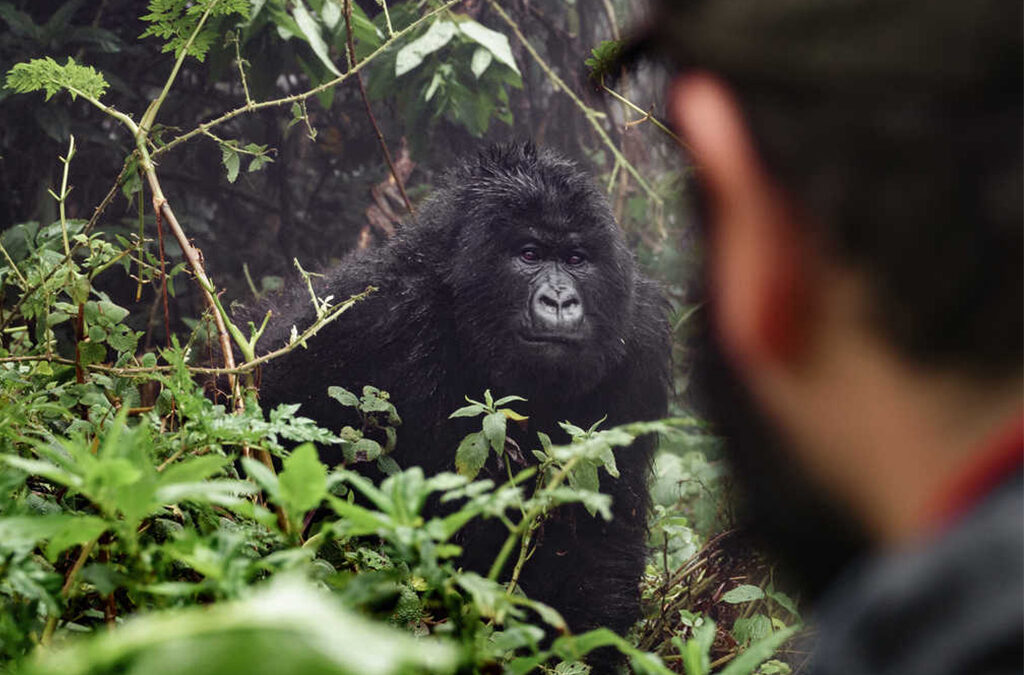
Rain transforms gorilla trekking into a completely different adventure that tests your preparation and determination. Most visitors worry about wet weather ruining their once-in-a-lifetime experience with mountain gorillas. However, rain actually brings unique benefits and challenges that many trekkers never expect to encounter. The weather affects everything from trail conditions to gorilla behavior patterns throughout the day. Rangers continue leading groups through forests even when heavy downpours soak the dense vegetation around them. Your safety remains the top priority while guides make important decisions about route changes during storms. Understanding what happens during rainy treks helps you prepare better for this amazing wildlife experience ahead.
How Rain Changes Trek Conditions
Trail Difficulty Increases
Wet trails become much more slippery and dangerous for trekkers of all fitness levels. Mud forms quickly on steep slopes where hikers need extra grip to maintain their balance. Tree roots turn into slick surfaces that cause many people to lose their footing unexpectedly. Rocky sections become extremely hazardous when water runs over loose stones and gravel underneath. Rangers often choose alternate routes that take longer but offer better safety for groups. The extra time needed means your trek will likely last several hours longer than planned.
Visibility Gets Limited
Heavy rain reduces how far ahead you see through the thick forest canopy above. Fog often develops quickly in mountain areas where gorillas live throughout the year. Tree branches hang lower when weighted down with water from recent downpours in the area. Rangers use different hand signals to communicate with group members during poor visibility conditions. Your guide will keep the group closer together to prevent anyone from getting lost. Photography becomes much more challenging when rain hits your camera lens repeatedly during the hike.
Gorilla Behavior During Rain
Gorillas Seek Better Shelter
Mountain gorillas move to areas with thicker tree coverage when rain starts falling heavily. They often stay closer to their sleeping sites instead of traveling far for food. Adult gorillas build temporary day nests using leaves and branches for protection from water. Young gorillas huddle close to their mothers for warmth during cold and wet weather. The family groups become less active and spend more time resting quietly together. This behavior actually makes them easier to observe once you reach their location.
Feeding Patterns Change
Rain makes gorillas eat different types of vegetation that stay drier under forest cover. They spend less time moving between feeding areas when weather conditions become too harsh. Fresh rainwater collects on leaves which provides gorillas with easy access to clean drinking water. Some gorillas use large leaves as natural umbrellas to shield themselves from heavy rainfall. The group dynamics shift as they work together to find the best shelter spots.
Safety Measures Rangers Take
Route Adjustments
Experienced guides constantly check weather conditions and adjust trekking routes based on current rainfall levels. They avoid areas known for landslides or where streams might flood during heavy storms. Communication systems help rangers coordinate with base camps about changing weather patterns throughout the day. Alternative paths often lead through different parts of the forest where conditions remain more stable. Your guide will explain any route changes and ensure everyone understands the new plan.
Group Management
Rangers keep closer watch on all group members when rain makes trails more dangerous. They provide extra assistance to trekkers who struggle with slippery conditions along the way. Emergency procedures get reviewed more frequently when weather creates additional risks for hikers. Radio contact with other ranger teams helps coordinate rescue efforts if someone gets injured. First aid supplies stay easily accessible in waterproof containers throughout the entire trek.
What You Should Expect
Longer Trek Duration
Rain typically adds two to four extra hours to your total trekking time. Slower walking speeds become necessary to maintain safety on wet and muddy trails ahead. Rest stops happen more often to allow group members to catch their breath properly. Finding gorillas takes longer when they move to different areas seeking better shelter. Return journeys require extra caution as afternoon rains often make trails even more slippery.
Different Wildlife Experience
Rain brings out different forest sounds as water drips through leaves and branches overhead. Bird activity changes significantly as species seek dry places to wait out the storm. Other forest animals like golden monkeys often become more visible during light rainfall periods. The forest feels more alive with fresh scents and sounds that dry weather never provides. Many trekkers find rainy conditions create a more intimate connection with the natural environment.
Preparation Tips
Essential Rain Gear
Waterproof jackets with good ventilation prevent you from overheating during strenuous hiking portions of the trek. Quality rain pants protect your legs from getting soaked by wet vegetation along narrow trails. Waterproof hiking boots with excellent grip prevent dangerous slips on muddy and rocky surfaces. Dry bags keep your electronics and important documents safe from water damage throughout the day. Extra clothing layers help you stay warm when temperatures drop during heavy rainfall periods.
Mental Preparation
Accept that rain will likely happen during your gorilla trekking experience in these mountain forests. Focus on the unique aspects that wet weather brings instead of viewing it as negative. Remember that gorillas live in this environment year-round and are perfectly adapted to rainy conditions. Trust your guides who have extensive experience leading treks through all types of weather patterns. Embrace the adventure aspects that rain adds to your wildlife viewing experience in Uganda or Rwanda.
Gorilla Trekking in Uganda and Rwanda
Gorilla Trekking in Uganda and Rwanda offers visitors the chance to meet mountain gorillas in their natural homes. These two East African countries protect most of the world’s remaining mountain gorillas through well-managed national parks. Uganda’s Bwindi Forest and Rwanda’s Volcanoes National Park provide safe spaces where these gentle giants live peacefully. Tourists travel from around the world to spend precious time with gorilla families in dense mountain forests. The experience creates lasting memories while supporting local communities and wildlife protection efforts. Both countries offer excellent trekking opportunities with professional guides who ensure visitor safety throughout the adventure.
Why go Gorilla Trekking
These amazing animals share about 98% of their DNA with humans and display complex social behaviors. Watching gorillas interact with their families provides insights into our own human nature and origins. The gentle giants move slowly through forest areas while feeding on leaves and fruits throughout the day. Their peaceful nature allows visitors to observe them closely without fear or danger during guided visits.
Tourism money from gorilla trekking directly supports conservation efforts that protect these endangered animals from extinction. Local people benefit from jobs as guides while communities receive funds for schools and healthcare facilities. This creates strong reasons for protecting gorilla habitats instead of converting forests into farmland or settlements.
Uganda: Bwindi Impenetrable Forest National Park
Bwindi Impenetrable Forest National Park sits in southwestern Uganda near the borders with Rwanda and Congo. The park covers 321 square kilometers of ancient rainforest that has existed for over 25,000 years. Four main sectors offer gorilla trekking experiences: Buhoma, Ruhija, Rushaga and Nkuringo areas within the park.
Visitors typically fly into Entebbe International Airport then drive about 8-10 hours to reach the park. Alternative routes include flying to Kigali in Rwanda then driving 4-5 hours to cross into Uganda. Many tourists prefer the Kigali option because the roads are better maintained and the journey takes less time.
Bwindi protects more than half of the world’s remaining mountain gorillas with over 400 individuals living there. The park has 19 habituated gorilla groups that visitors may track during their forest adventures. Each group has between 8-30 members led by a dominant silverback male who protects his family.
Popular gorilla families include Mubare, Habinyanja, Rushegura and Oruzogo groups that have become comfortable around humans. Rangers spend years getting wild gorillas used to human presence through a careful process called habituation. This allows tourists to observe natural behaviors without causing stress to the animal families.
Trekking Experience in Uganda
Gorilla tracking in Bwindi begins early morning with briefings at park headquarters in each sector. Rangers explain safety rules and assign visitors to specific gorilla groups based on fitness levels. Trek difficulty varies from easy 30-minute walks to challenging 8-hour hikes through steep mountain terrain.
The ancient forest contains thick vegetation that blocks sunlight creating a mysterious green world below. Hikers navigate narrow paths while listening for gorilla sounds and following fresh tracks left behind. Professional guides use radio contact to locate gorilla families and lead groups directly to them.
When visitors find their assigned gorilla family they receive exactly one hour to observe and photograph. This time limit protects gorillas from too much human contact while allowing meaningful wildlife encounters. The experience often includes watching babies play while mothers feed and silverbacks rest peacefully nearby.
Rwanda: Volcanoes National Park
Volcanoes National Park protects 160 square kilometers of mountain forest in northwestern Rwanda near Uganda and Congo. The park sits within the Virunga Mountains where five volcanic peaks create dramatic backdrops for gorilla trekking. Karisimbi, Bisoke, Gahinga, Sabyinyo and Muhabura volcanoes dominate the landscape with their impressive heights.
American researcher Dian Fossey made this area famous through her groundbreaking gorilla studies during the 1960s and 1970s. Her work at Karisoke Research Center helped save mountain gorillas from extinction and continues today. Visitors often hike to her grave site and former research station during extended stays.
Rwanda hosts about 12 habituated gorilla families that tourists may visit throughout the year in Volcanoes National Park. These groups live at different elevations and locations requiring various trek lengths and difficulty levels for visitors.
Well-known families include Susa, Karisimbi, Sabyinyo and Amahoro groups that offer excellent viewing opportunities for photographers. Each family has unique personalities and behaviors that rangers know well from daily monitoring activities. Some groups prefer bamboo areas while others stay in dense forest sections of the park.
Rwanda Gorilla Trekking Process
Gorilla tracking starts at Kinigi park headquarters where visitors receive permits and join briefing sessions each morning. Rangers assign tourists to gorilla groups while considering age and fitness levels of participants. The park provides walking sticks and porters to help carry bags during more difficult treks.
Hiking time ranges from 1-6 hours depending on gorilla locations and weather conditions that day. Trails wind through potato farms before entering dense forest areas where gorillas spend most time. The one-hour viewing time begins once visitors locate their assigned gorilla family in the wild.
Planning Your Gorilla Trek
Permits and Costs
Gorilla permits cost $800 per person in Uganda and $1,500 per person in Rwanda for foreign visitors. Rwanda charges higher prices but offers more luxurious services and easier access from Kigali airport. Uganda provides better value while still delivering excellent gorilla viewing experiences for budget-conscious travelers.
Visitors must book permits well in advance because only limited numbers are issued daily. Uganda allows 96 people per day while Rwanda permits 80 visitors to protect gorilla welfare. Peak seasons from June-September and December-February require booking 6-12 months ahead of travel dates through Uganda Wildlife Authority in Uganda and Rwanda Development Board or through the tour operator in this case Iconic Africa Safaris.
Best Time to Visit
Both countries offer year-round gorilla trekking opportunities but dry seasons provide easier hiking conditions overall. June through September offers less rain and clearer mountain views but attracts more tourists. December through February also brings drier weather making forest paths less muddy and slippery.
Rainy seasons from March-May and October-November create challenging trekking conditions but fewer crowds visit parks. Rain makes tracking more difficult while reducing visibility in thick forest areas during gorilla encounters. However permits cost less and accommodation rates drop significantly during these off-peak periods.