
Age Restrictions for Gorilla Trekking in Uganda & Rwanda
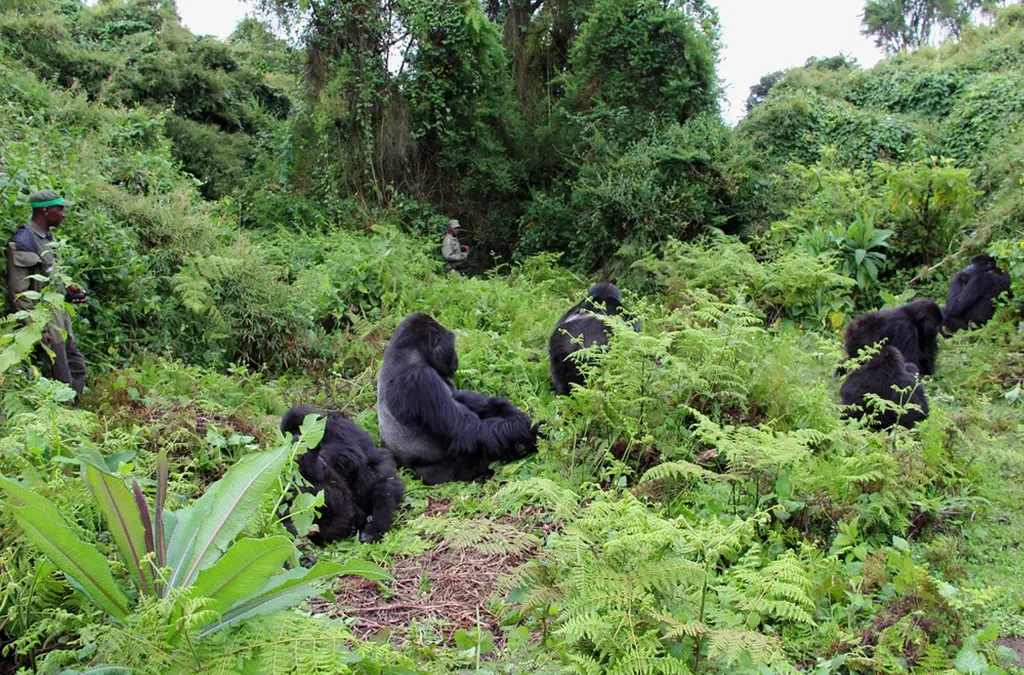
Gorilla trekking in Uganda and Rwanda provides visitors with opportunities to observe endangered mountain gorillas in their natural environment. Uganda’s Bwindi Impenetrable National Park and Mgahinga Gorilla National Park offer these experiences alongside Rwanda’s Volcanoes National Park. Visitors must obtain permits well in advance to access these protected areas where mountain gorillas live. The trekking experience requires physical preparation and careful planning for safety. Tour operators help organize these adventures while following strict rules that protect both gorillas and visitors. These regulations ensure sustainable tourism while preserving critical habitats for future generations.
Minimum Age Requirements
Both Uganda and Rwanda enforce strict age restrictions for gorilla trekking activities. Visitors must be at least 15 years old to participate in these wildlife encounters. Park authorities established this age limit to protect the safety of trekkers and gorillas alike. Children under 15 years old face restrictions due to physical and emotional challenges involved.
Several important factors support the 15-year minimum age requirement for gorilla trekking adventures. Physical demands of hiking through dense forests and steep terrain challenge younger participants significantly. Dense vegetation and muddy trails require strength and coordination that develop with age and experience. Young children may react unpredictably when encountering large gorillas in their natural habitat. These reactions could create dangerous situations for both humans and gorillas during close encounters.
Disease transmission risks also increase with younger participants who may carry communicable illnesses. Gorillas share similar genetic makeup with humans making them vulnerable to human diseases. Park authorities must protect these endangered animals from potential health threats that visitors might introduce.
Special Exceptions exist for children who are almost 15 years old and demonstrate maturity. Parents must request special permission from Uganda Wildlife Authority or Rwanda Development Board for these cases. Officials evaluate each child’s physical fitness and emotional readiness before granting permission for participation. Parents must sign waivers acknowledging potential risks involved in these wildlife encounters.
Permit Information and Costs
Permit Pricing: Gorilla trekking permits vary significantly in cost between Uganda and Rwanda for 2025. Uganda charges $800 per person for standard gorilla trekking permits throughout the year. Rwanda sets permit prices at $1,500 per person for similar trekking experiences. These permit fees support conservation efforts and local community development programs in both countries.
Booking Requirements: Visitors must secure permits well in advance through licensed tour operators like Iconic Africa Safaris. Limited daily permits protect gorilla families from excessive human contact and environmental stress. Each permit allows maximum eight visitors to track one specific gorilla family per day. Early booking ensures availability during preferred travel dates and seasons for optimal experiences.
Best Timing for Gorilla Trekking
Dry Season Advantages: The dry season from June to August and December to February offers ideal trekking conditions. Trails remain drier and more accessible during these months reducing hiking difficulties significantly. Clear weather improves visibility and photography opportunities while making forest navigation easier for guides. Visitors experience less mud and slippery conditions that create safety hazards during rainy periods.
Terrain Differences: Uganda’s terrain presents more challenging hiking conditions compared to Rwanda’s relatively flatter landscape. Bwindi Impenetrable National Park features steep hills and dense vegetation that require good fitness levels. Rwanda’s Volcanoes National Park offers somewhat easier terrain while still providing authentic gorilla encounters. Both destinations reward visitors with incredible wildlife experiences despite different difficulty levels.
Trekking Experience
Standard Trekking Duration: Typical gorilla treks allow visitors one hour with gorilla families after guides locate them. This time limit minimizes disturbance to gorilla daily routines while allowing meaningful wildlife observations. Park guides coordinate with trackers who locate gorilla families before visitor groups arrive. The hour spent with gorillas provides sufficient time for photography and behavioral observations.
Gorilla Habituation: Uganda offers extended Gorilla Habituation Experiences that allow up to four hours with gorilla families. These longer encounters cost more than standard permits but provide deeper insights into gorilla behavior. Visitors participate in habituation processes that help gorillas become comfortable with human presence. This experience appeals to serious wildlife enthusiasts and researchers seeking extended observation opportunities.
Essential Trekking Guidelines
Health and Safety Requirements
All participants must pass health checks before joining gorilla trekking groups. Anyone showing symptoms of communicable diseases like colds or flu will be excluded from activities. This policy protects gorillas from human-borne infections that could threaten their survival. Visitors must wear face masks when approaching gorillas to prevent disease transmission.
Behavioral Rules During Encounters
Strict behavioral guidelines govern all interactions with gorilla families during trekking experiences. Visitors must maintain minimum distances of 10 meters from gorillas at all times. Flash photography is strictly prohibited as bright lights frighten and disorient these sensitive animals. Eating, drinking and smoking near gorillas are forbidden to prevent germ transmission and unwanted attention.
Loud noises and sudden movements must be avoided to prevent startling gorilla families. Visitors should crouch down to appear less threatening while observing these magnificent creatures. Groups must not surround gorillas but maintain respectful positioning during their allocated viewing time.
Physical Fitness Needs
Gorilla trekking demands reasonable physical fitness levels for hiking through challenging forest terrain. Dense vegetation, steep slopes and potentially muddy conditions require strength and endurance from participants. Visitors should prepare through regular exercise and hiking practice before their trekking dates. Good fitness levels ensure full enjoyment of these once-in-a-lifetime wildlife encounters.
Essential Equipment and Clothing
Proper preparation includes wearing appropriate clothing and bringing necessary equipment for forest conditions. Long pants and long-sleeved shirts protect against thorns, insects and vegetation during hikes. Comfortable hiking boots provide essential foot support and traction on uneven forest floors. Layered clothing accommodates changing weather conditions throughout the day.
Visitors should pack raincoats, sunscreen, insect repellent and adequate water supplies for their adventures. Walking sticks help navigate uneven terrain and provide stability during challenging sections. Many trekkers hire local porters to carry equipment while supporting community economic development initiatives.