
Walking Safaris in Serengeti – What You Need to Know
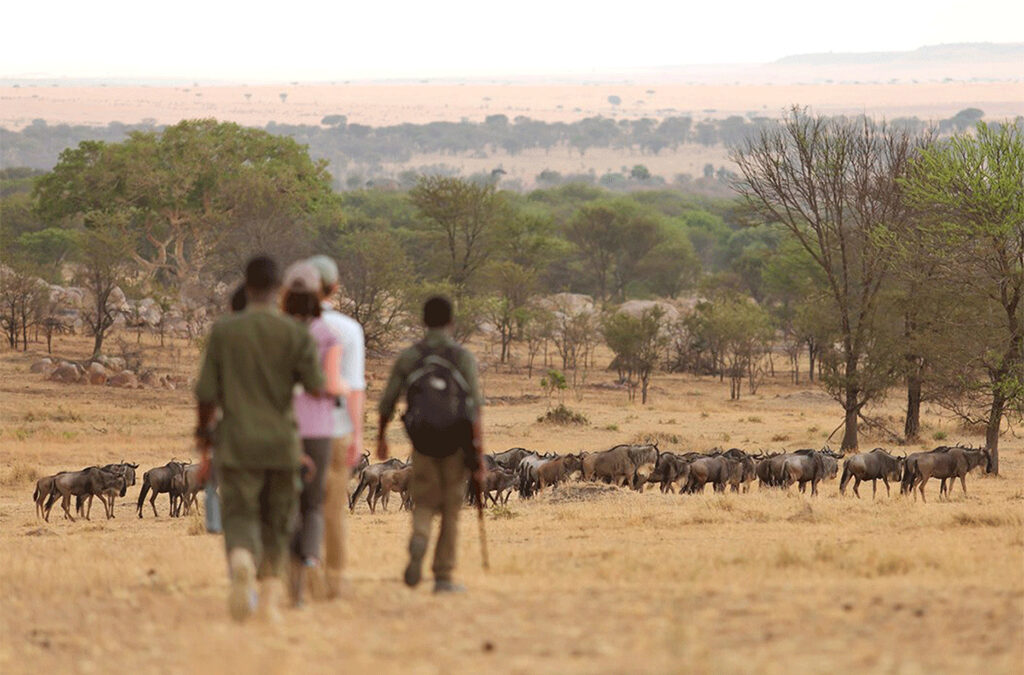
Are you ready to explore Africa’s most famous wildlife park on foot through walking safaris? The Serengeti offers an amazing chance to experience nature up close without vehicle noise and distractions. Walking safaris let you hear every bird call and feel the ground beneath your feet while discovering wildlife. Expert guides lead these adventures through designated safe areas of the park with proper safety measures. These foot safaris provide deep connections with the ecosystem that traditional game drives simply cannot match. You will learn tracking skills and observe animal behavior in ways that transform your understanding of wildlife.
Walking safaris in the Serengeti differ greatly from those offered in other Tanzanian parks like Selous Game Reserve. The presence of large predators including lions, leopards and hyenas makes these walks strictly regulated by park authorities. Therefore, walking safaris only happen in specific buffer zones and private concessions rather than throughout the entire park. This regulation ensures visitor safety while still providing incredible wildlife experiences and educational opportunities for guests.
Park officials restrict walking safaris to designated areas because of safety concerns and wildlife protection requirements. These approved zones typically include buffer areas around the main park and certain private concessions nearby. The restrictions help protect both visitors and wildlife while maintaining the delicate balance of the ecosystem. Rangers carefully monitor these areas to ensure safe passage for walking groups throughout the day.
What to Expect During Your Walking Safari
Immersive Wildlife Experience
Walking safaris remove the barrier between you and the natural world around you completely. You will experience sights, sounds and smells that vehicle-based safaris often miss or overlook during game drives. The silence allows you to hear subtle sounds like rustling grass and distant animal calls clearly. This intimate connection with nature creates memories that last far beyond your visit to Tanzania.
Wildlife Encounters on Foot
Your walking safari will bring you safely close to various animals including giraffes, zebras, buffalo and elephants. Expert guides maintain safe distances while positioning your group for the best viewing opportunities available. Bird watching becomes particularly rewarding when you move quietly through different habitats on foot. The slower pace allows for detailed observation of animal behavior and natural interactions between species.
Learning Bushcraft Skills
Experienced guides share valuable knowledge about tracking animals and reading signs left in the wilderness. You will learn to identify different animal tracks, droppings and feeding patterns throughout your walk. Guides also teach about local plants and their traditional uses for medicine, food and shelter. These skills provide deeper understanding of how local communities have lived alongside wildlife for generations.
Walking Pace and Terrain
Walking safaris move at a deliberately slow pace with frequent stops for observation and education. This relaxed approach allows everyone to fully appreciate the environment without feeling rushed or pressured. The terrain varies from open grasslands to riverine forests with potentially uneven ground requiring careful footing. Guides choose routes based on current conditions and wildlife activity to maximize your experience safely.
Essential Packing List
Footwear and Clothing
Sturdy walking boots are absolutely essential for navigating different terrains safely throughout your walking safari adventure. Choose neutral-colored clothing with long sleeves and pants to protect against sun exposure and insect bites. Bright colors might disturb wildlife and make you more visible to animals during your walk. Comfortable, breathable fabrics work best in the warm African climate while providing necessary protection.
Protection and Accessories
Pack a wide-brimmed hat and quality sunglasses for protection against the strong African sun rays. Sunscreen with high SPF rating is crucial for exposed skin areas during extended outdoor activities. Insect repellent helps prevent bites from mosquitoes and other insects common in the wilderness areas. Binoculars enhance wildlife viewing opportunities and help you observe animals from safe distances.
Hydration and Energy
Bring adequate water in reusable bottles to stay hydrated throughout your walking safari adventure. Pack healthy snacks for energy during longer walks especially in warm weather conditions. A comfortable daypack helps you carry all essentials without strain during your wilderness exploration. Consider the weight of your pack since you will carry it for several hours.
Safety Considerations
Following Guide Instructions
Always listen carefully to your guide’s instructions and follow all safety protocols without question or hesitation. Guides have extensive experience and training in wildlife behavior and emergency response procedures. Their knowledge keeps you safe while maximizing your chances of seeing wildlife during the walk. Never wander away from the group or ignore safety warnings from your experienced guide.
Wildlife Distance and Awareness
Maintain safe distances from all wildlife encounters regardless of how gentle animals might appear. Stay constantly alert to your surroundings and watch for potential hazards along the walking route. Communicate any discomfort, concerns or physical limitations to your guide immediately when they arise. Your safety depends on honest communication and following established safety protocols throughout the walking safari.
Best Timing for Walking Safaris
The dry season from June to October provides ideal conditions for walking safaris in the Serengeti. Cooler temperatures make walking more comfortable while wildlife concentrates around reliable water sources during this period. Weather conditions remain stable with minimal rainfall disrupting your outdoor activities and wildlife viewing opportunities. This timing also coincides with excellent overall wildlife viewing throughout the greater Serengeti ecosystem.
Getting to the Serengeti
Transportation Options
The drive from Arusha to Serengeti takes approximately eight hours covering 325 kilometers of mostly dirt roads. Road conditions include numerous potholes and limited service facilities making the journey challenging for many visitors. A four-wheel-drive vehicle is essential if you choose to drive yourself to the park. However, flying provides a much more convenient and time-efficient alternative to the long overland journey.
Flying to the Park
Daily scheduled and charter flights operate from Arusha, Lake Manyara and Mwanza to various Serengeti airstrips. Flight times are much shorter with Arusha to Serengeti South taking only one hour compared to driving. Flying also provides spectacular aerial views of the landscape and helps you appreciate the scale. Most tour operators arrange flights and ground transfers making the process simple for visitors.