
Top 10 Animals to See in Nairobi National Park
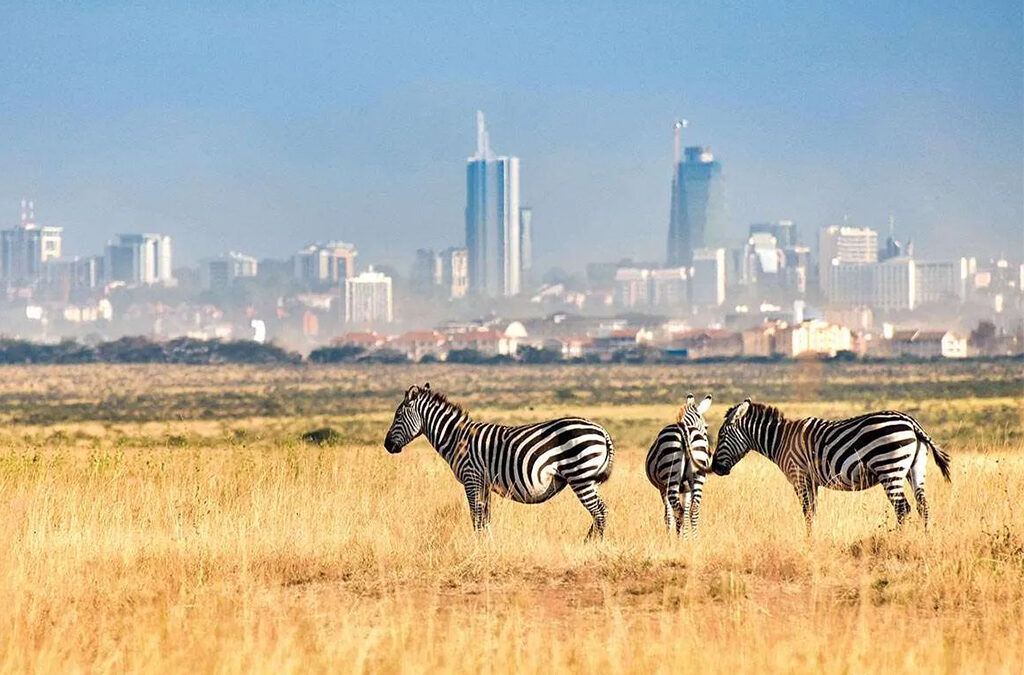
Nairobi National Park stands as Kenya’s first national park and Africa’s most unique wildlife sanctuary within city limits. This 117-square-kilometer park sits just seven kilometers from Kenya’s capital city center. The park hosts over 100 mammal species and more than 500 bird species in its diverse habitats. Lions roar while skyscrapers tower in the background creating an amazing contrast between urban life and wild nature. Four of Africa’s Big Five animals call this park home including lions, leopards, buffaloes and both black and white rhinos. The park serves as East Africa’s most successful black rhino sanctuary protecting these endangered giants for future generations.
Top 10 Animals You Will See
1. Lions – The Kings of Nairobi Park
Lions rule the grasslands of Nairobi National Park with their powerful presence and loud roars that echo across the savannah. These magnificent cats hunt in prides and rest under acacia trees during hot afternoon hours. Male lions display impressive manes while females do most of the hunting work for their families. Visitors often spot lions near the park’s main roads especially during early morning and late evening game drives. The park’s lion population remains stable thanks to good management and protection from Kenya Wildlife Service rangers.
2. Leopards – The Elusive Spotted Cats
Leopards live throughout Nairobi National Park but remain masters of hiding among thick bushes and tall trees. These solitary hunters prefer woodland areas where they rest on tree branches during daylight hours. Their beautiful spotted coats help them blend perfectly with dappled sunlight filtering through acacia leaves. Patient visitors might spot leopards drinking at water holes or crossing open areas at dawn and dusk. Wildlife photographers prize leopard sightings because these cats rarely stay visible for long periods.
3. Giraffes – The Gentle Giants
Masai giraffes tower above all other animals in Nairobi National Park with their incredible height and gentle nature. These graceful giants browse on acacia leaves that other animals cannot reach with their long necks. Giraffes move in small groups across the park’s woodland areas and often approach safari vehicles without fear. Their unique spotted patterns make each individual giraffe as distinct as human fingerprints. Baby giraffes called calves stay close to their mothers and learn to walk within hours of birth.
4. Zebras – The Striped Wanderers
Plains zebras graze in large herds across Nairobi National Park’s open grasslands creating stunning black and white patterns. These social animals migrate seasonally following fresh grass growth and available water sources throughout the park. Each zebra displays unique stripe patterns that help other zebras recognize family members and friends. Zebras often graze alongside wildebeest and other herbivores for protection against predators like lions and cheetahs. Their loud barking calls echo across the savannah especially during early morning hours.
5. Buffaloes – The Powerful Herbivores
African buffaloes represent one of the Big Five animals that visitors seek in Nairobi National Park. These massive herbivores travel in herds and display impressive curved horns that form a protective shield. Bulls weigh up to 900 kilograms while females remain slightly smaller but equally strong and determined. Buffaloes prefer areas near water sources where they drink daily and wallow in mud pools. Their unpredictable nature demands respect from both visitors and experienced park rangers during game drives.
6. Black Rhinos – The Endangered Treasures
Black rhinos find safe haven in Nairobi National Park’s successful conservation program that protects these critically endangered animals. The park houses one of East Africa’s most important black rhino sanctuaries with dedicated rangers monitoring each animal. These prehistoric-looking giants use their pointed lips to browse on bushes and small trees throughout the day. Black rhinos prefer thick vegetation where they rest during hot weather and emerge to feed. Their excellent hearing and smell help them detect danger while their poor eyesight makes them rely on other senses.
7. White Rhinos – The Grazing Giants
White rhinos complement the park’s rhino conservation efforts with their impressive size and gentle grazing habits. These massive animals use their wide lips to crop grass close to the ground unlike their black rhino cousins. White rhinos display calmer temperaments and often allow closer viewing opportunities for wildlife enthusiasts and photographers. Mother rhinos protect their calves fiercely while teaching them important survival skills in the African wilderness. The park’s white rhino population continues growing thanks to dedicated conservation work and anti-poaching efforts.
8. Cheetahs – The Speed Demons
Cheetahs hunt across Nairobi National Park’s open plains using their incredible speed to catch gazelles and other prey. These slender cats reach speeds up to 100 kilometers per hour during short hunting bursts. Their distinctive black tear marks help reduce sun glare while their spotted coats provide perfect camouflage. Cheetahs prefer open areas where they scan for prey from termite mounds and rocky outcrops. Unlike other big cats cheetahs hunt during daylight hours making them easier to spot during game drives.
9. Hippos – The River Giants
Hippos spend their days submerged in Nairobi National Park’s rivers and dams staying cool under the hot African sun. These massive semi-aquatic mammals emerge at night to graze on grass near water sources throughout the park. Adult hippos weigh up to 3000 kilograms making them among Africa’s largest land mammals after elephants. Their powerful jaws contain huge teeth that serve as weapons against predators and territorial disputes. Visitors often hear hippos grunting and snorting from water bodies even when the animals remain hidden underwater.
10. Antelope Species – The Graceful Herds
Multiple antelope species thrive in Nairobi National Park including elands, hartebeests, impalas, gazelles and many other varieties. Thomson’s gazelles bound across the grasslands with their distinctive white rumps flashing as warning signals. Grant’s gazelles display elegant horns and prefer slightly drier areas than their smaller Thomson’s cousins. Impalas jump incredible heights when startled and form mixed herds with other antelope species for protection. Elands represent Africa’s largest antelope and move slowly across the park browsing on leaves and fruits.
Best Time to Visit Nairobi National Park
Dry Season
The dry season from June through October offers the best wildlife viewing opportunities in Nairobi National Park. Animals gather around permanent water sources making them easier to spot during morning and evening game drives. Grass grows shorter during dry months allowing better visibility of wildlife hiding in vegetation. Roads remain accessible throughout the park without muddy conditions that sometimes occur during rainy periods. Photography conditions improve with clear skies and excellent lighting for capturing wildlife images and memorable moments.
Wet Season
The wet season from November through May brings different advantages for visitors seeking unique wildlife experiences. Migratory birds arrive in large numbers adding spectacular birdwatching opportunities to regular game viewing activities. Baby animals appear throughout the park as many species time their breeding cycles with abundant food. The landscape transforms into lush green scenery providing beautiful backdrops for wildlife photography and nature appreciation. Rain typically falls during afternoon hours leaving mornings and evenings perfect for game drives and park exploration.
How to Get to Nairobi National Park
Main Gate Access
The main gate sits along Langata Road just seven kilometers from Nairobi’s city center making access simple. Visitors drive south from the city center following clear road signs directing traffic to the park entrance. Public transportation options include matatus and buses that stop near the gate for budget-conscious travelers. The journey takes approximately 30 minutes from downtown Nairobi depending on traffic conditions and time of day.
Alternative Entry Points
Cheetah Gate provides another entry option located along Magadi Road for visitors coming from different directions. This gate offers convenient access for guests staying at nearby lodges and hotels outside the city. Banda Gate serves as a third entry point though it remains less commonly used by regular visitors. Each gate maintains standard operating hours and entry fee collection points managed by Kenya Wildlife Service staff.